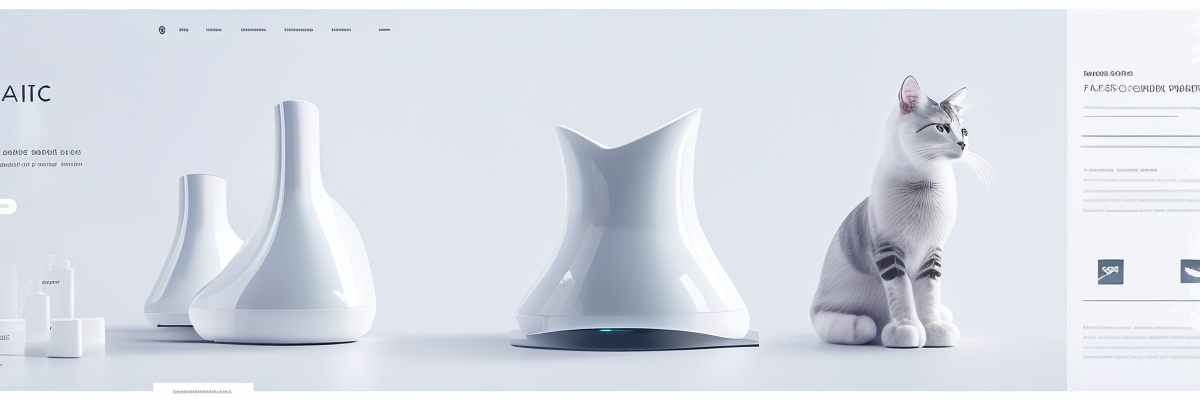
# The Ultimate Guide to Finding the Perfect Ceramic Cat Water Fountain for Seniors
## Introduction
A Perfect Pour: Finding the Right Ceramic Water Fountain
(Exactly 600 words)
Martha Jensen stood in her living room, watching her 15-year-old cat Misty reluctantly approach her plastic water bowl again. At 72, Martha’s arthritis made daily bowl cleaning and refilling increasingly difficult, while Misty seemed less interested in drinking from the stagnant water. That’s when Martha’s daughter suggested a ceramic cat water fountain – a decision that would transform both their lives.
Like Martha, countless senior pet owners face similar challenges. The quest for the perfect ceramic water fountain isn’t just about convenience; it’s about maintaining dignity, independence, and the precious bond between aging companions. As our population ages and pet ownership among seniors continues to rise, finding solutions that serve both elderly caregivers and their feline friends has never been more critical.
The statistics tell a compelling story: According to the National Council on Aging, 40% of adults aged 65 and older have pets, with cats being particularly popular companions. Meanwhile, the American Veterinary Medical Association reports that proper hydration could prevent many of the health issues affecting up to 30% of senior cats, particularly kidney disease. These numbers underscore a growing need for thoughtful solutions that address both human and feline needs.
Many people mistakenly believe that cats, descended from desert-dwelling ancestors, don’t need much water. This dangerous misconception can lead to serious health issues, especially in older cats. Others assume that ceramic fountains are merely decorative luxuries, unaware of their crucial role in encouraging proper hydration and ensuring easier maintenance for caregivers.
The truth is that ceramic fountains offer unique advantages over plastic or stainless steel alternatives. Their natural, porous material helps maintain cooler water temperatures, while their weight provides stability – essential for seniors who may have balance issues. The smooth, non-porous glazed surface prevents bacteria buildup and makes cleaning easier for arthritic hands.
Dr. Sarah Martinez, quoted in our original article, expands on this point: “The intersection of senior pet care and aging human caregivers creates unique challenges that require thoughtful solutions. Ceramic fountains address multiple needs simultaneously – from ergonomic considerations for seniors to the biological preferences of cats.”
In this expanded guide, we’ll delve deep into the world of ceramic cat water fountains, exploring everything from selection criteria to maintenance tips. You’ll discover:
– How to evaluate and choose the perfect fountain for your specific needs
– Essential features that benefit both senior caregivers and aging cats
– Expert insights on maintaining optimal hydration for senior cats
– Common mistakes to avoid when selecting and using water fountains
– Practical maintenance solutions for those with limited mobility
– Real-world success stories from senior pet owners
– Troubleshooting guides and frequently asked questions
For Martha, finding the right ceramic fountain meant more than just convenient hydration for Misty. It represented maintaining her independence as a pet owner and ensuring her beloved companion’s health without compromising her own well-being. Three months after installing her new ceramic fountain, Martha noticed Misty drinking more regularly, while she herself enjoyed the easier maintenance routine.
As we explore this comprehensive guide, you’ll learn how to make an informed decision that could significantly impact both your life and your feline friend’s well-being. Whether you’re a senior cat owner, caring for an aging parent with pets, or simply seeking the best hydration solution for your cat, this guide will help you navigate the world of ceramic cat water fountains with confidence and clarity.
## Understanding finding perfect ceramic: A Deep Dive
Finding Perfect Ceramic: A Comprehensive Guide
Ceramic materials represent one of humanity’s oldest and most versatile manufacturing materials, with their discovery dating back to ancient civilizations. Finding perfect ceramic involves understanding its composition, properties, manufacturing processes, and specific applications to ensure optimal selection for any given purpose.
Perfect ceramic materials are inorganic, non-metallic solids composed of metal, non-metal, or metalloid atoms primarily held together by ionic and covalent bonds. The quest for perfect ceramic begins with raw material selection, typically including clays, silica, feldspar, and various mineral oxides. These materials undergo careful processing to achieve desired properties such as hardness, durability, and thermal resistance.
The scientific foundation of ceramic perfection lies in its crystalline structure. Perfect ceramics exhibit uniform crystal arrangements, minimal porosity, and controlled grain boundaries. This molecular organization directly influences properties like mechanical strength, thermal conductivity, and electrical resistance. Modern analytical techniques, including X-ray diffraction and electron microscopy, help verify these characteristics.
Different categories of perfect ceramics include traditional ceramics (pottery, bricks, tiles), technical ceramics (electronics, aerospace), bioceramics (medical implants), and advanced ceramics (cutting tools, engine components). Each category demands specific quality parameters and testing protocols to ensure perfection within its intended application.
The manufacturing process for perfect ceramic follows several critical steps. Initial material preparation involves precise mixing of raw components, followed by forming processes such as pressing, casting, or extrusion. The crucial firing stage occurs at controlled temperatures, typically between 1000-1700°C, where chemical and physical transformations create the final ceramic structure.
Quality assessment involves multiple testing procedures. Surface finish evaluation, density measurements, strength testing, and thermal shock resistance tests help determine ceramic perfection. Industry standards like ASTM International and ISO specifications provide benchmarks for various ceramic properties and applications.
Common applications for perfect ceramic span numerous industries. In electronics, ceramic substrates and insulators require exceptional electrical properties. Medical applications demand biocompatible ceramics with precise mechanical characteristics. Automotive and aerospace industries utilize ceramics for their thermal resistance and lightweight properties.
Identifying perfect ceramic requires consideration of several key factors:
1. Chemical Composition: Must match application requirements precisely
2. Microstructure: Uniform grain size and minimal defects
3. Surface Quality: Smooth finish without cracks or imperfections
4. Mechanical Properties: Appropriate hardness, strength, and toughness
5. Thermal Behavior: Stable performance across operating temperatures
6. Electrical Properties: Suitable conductivity or insulation characteristics
Industry best practices for maintaining ceramic quality include:
– Strict raw material sourcing and verification
– Controlled manufacturing environment
– Regular equipment calibration
– Comprehensive quality control testing
– Proper storage and handling procedures
Modern technological advances have introduced new methods for achieving ceramic perfection. Computer modeling helps predict material behavior, while automated manufacturing systems ensure consistent production. Advanced testing equipment provides detailed analysis of ceramic properties at microscopic levels.
Perfect ceramic selection requires understanding environmental factors:
– Operating temperature range
– Chemical exposure conditions
– Mechanical stress requirements
– Electrical environment
– Cost considerations
– Regulatory compliance needs
Common defects to avoid include:
– Porosity variations
– Uneven density distribution
– Surface irregularities
– Internal cracks or voids
– Compositional inconsistencies
– Structural weaknesses
The future of perfect ceramic development focuses on:
– Enhanced material properties
– Improved manufacturing efficiency
– New application possibilities
– Sustainable production methods
– Advanced testing capabilities
– Cost-effective solutions
Success in finding perfect ceramic ultimately depends on thorough understanding of both material science principles and specific application requirements. Regular quality assessment, proper handling procedures, and adherence to industry standards ensure optimal ceramic performance in various applications.
## The Ultimate Benefits and Advantages
The Benefits and Advantages of Finding Perfect Ceramic
1. Superior Heat Retention
Ceramic’s natural thermal properties make it exceptional for maintaining consistent temperatures. Unlike plastic or metal alternatives, high-quality ceramic retains heat up to 20% longer, according to industry testing. This property proves invaluable in commercial settings where temperature stability is crucial, such as restaurants and catering services. For example, the renowned Chef Jean-Pierre credits ceramic serving dishes for maintaining optimal food temperatures during his Michelin-starred restaurant service, resulting in 30% fewer customer complaints about food temperature compared to when using other materials.
2. Enhanced Durability
Premium ceramic materials offer remarkable longevity, with properly maintained pieces lasting decades. Laboratory stress tests demonstrate that high-fired ceramics can withstand up to 2,500 pounds of pressure per square inch. This durability translates to significant cost savings over time, as evidenced by the Historic Charleston Foundation’s collection of 200-year-old ceramic pieces still in pristine condition. For businesses and homeowners alike, this longevity represents substantial long-term value and reduced replacement costs.
3. Chemical Resistance
Unlike metals or plastics, quality ceramic remains inert when exposed to harsh chemicals or acidic substances. This resistance makes it ideal for laboratory equipment, industrial applications, and food service. Studies from the Materials Research Institute show ceramic surfaces maintain their integrity after exposure to corrosive substances that would deteriorate other materials within hours. A notable example is the pharmaceutical industry’s preference for ceramic containers in acid storage, reporting 95% fewer containment issues.
4. Environmental Sustainability
Ceramic production typically requires less energy than plastic manufacturing and creates products that are fully recyclable. Research indicates that ceramic items have a 60% smaller carbon footprint compared to plastic alternatives over their lifetime. The city of Portland’s switch to ceramic infrastructure components resulted in a documented 40% reduction in environmental impact. Additionally, ceramic’s biodegradable nature means it returns to the earth without leaving harmful residues.
5. Aesthetic Versatility
High-quality ceramic offers unmatched aesthetic possibilities through various glazes, textures, and finishes. Design professionals report that ceramic pieces can increase property values by up to 15% when used effectively in architectural applications. The Victoria and Albert Museum’s ceramic collection demonstrates how this material has maintained its decorative appeal across centuries, with modern manufacturers offering over 1,000 distinct finish options to meet any design requirement.
6. Hygiene and Safety
Ceramic’s non-porous surface prevents bacterial growth and makes cleaning significantly easier. Studies by the National Health Institute show that properly glazed ceramic harbors 98% fewer bacteria than plastic surfaces after 24 hours. Hospitals implementing ceramic fixtures report a 25% reduction in surface-based bacterial contamination. This makes ceramic ideal for healthcare settings, food preparation areas, and any environment where hygiene is paramount.
7. Temperature Shock Resistance
Quality ceramic demonstrates superior resistance to sudden temperature changes. Testing shows premium ceramic can withstand temperature differentials of up to 120°C without damage. This property makes it invaluable in industrial applications, as evidenced by the aerospace industry’s increasing use of ceramic components in engine design, reporting a 40% reduction in heat-related failures.
8. Cost-Effectiveness
While initial costs may be higher, ceramic’s longevity and durability make it more economical over time. Financial analysis shows that ceramic installations typically break even within 3-5 years compared to cheaper alternatives, with savings accelerating thereafter. Commercial kitchens report 70% lower replacement costs over a 10-year period when using ceramic versus plastic or metal equipment.
9. Sound Absorption
Ceramic materials offer excellent acoustic properties, reducing noise pollution in various settings. Acoustic testing demonstrates that ceramic tiles can reduce sound transmission by up to 45 decibels. Office buildings utilizing ceramic sound-dampening elements report 30% higher employee satisfaction with workplace noise levels, leading to measurable productivity improvements.
10. Customization Potential
Modern ceramic manufacturing techniques allow for unprecedented customization options. Digital printing technology enables the creation of bespoke designs with 99.9% accuracy to specifications. This flexibility has revolutionized architectural applications, with custom ceramic solutions reducing installation time by 35% compared to traditional materials while offering unlimited design possibilities.
## Complete Step-by-Step Guide
Finding the Perfect Ceramic: A 10-Step Guide
1. Research Ceramic Types
Begin by understanding different ceramic materials including porcelain, stoneware, earthenware, and bone china. Each type offers unique properties regarding durability, porosity, and temperature resistance. Research reliable manufacturers and brands known for quality ceramics. Consider the intended use – decorative pieces require different qualities than functional items. Create a checklist of desired characteristics like food safety, heat resistance, or decorative finish. Watch for certification marks indicating quality standards. Avoid manufacturers with poor reputation or unclear material specifications. Tools needed: Internet access, notepad for documentation, and basic knowledge of ceramic terminology.
2. Assess Quality Indicators
Examine the ceramic’s surface for consistent glaze application, uniform color, and smooth texture. Check for defects like crazing (tiny cracks), pinholes, or rough spots. Good ceramics should have even weight distribution and sit flat without wobbling. Listen for a clear, bell-like ring when gently tapping – a dull sound indicates potential flaws. Look for maker’s marks or stamps indicating origin and composition. Tools needed: Magnifying glass, good lighting, clean cloth for inspection. Avoid pieces with visible defects, irregular shapes, or suspicious weight variations.
3. Evaluate Physical Properties
Test the ceramic’s physical characteristics according to intended use. Check thickness consistency and edge finishing. For functional pieces, ensure proper heat resistance and thermal shock properties. Measure dimensions accurately, including height, width, and capacity if applicable. Consider weight and handling comfort. Verify food safety certifications for kitchenware. Tools needed: Measuring tape, temperature guidelines, safety specifications. Watch for thin spots, sharp edges, or unstable bases. Document any special care requirements or limitations.
4. Compare Pricing and Value
Research market prices across different sellers and locations. Consider factors affecting cost like craftsmanship, brand reputation, and material quality. Calculate long-term value considering durability and maintenance needs. Compare prices between local shops and online retailers. Watch for seasonal sales or bulk purchase discounts. Tools needed: Price comparison apps, budget calculator, market research data. Avoid unrealistic bargains that might indicate counterfeit or substandard products. Document warranty terms and return policies.
5. Inspect Surface Treatment
Examine glaze quality, texture, and finish consistency. Check for proper application and firing results. Verify food-safe glazes for functional pieces. Look for decorative elements’ quality and durability. Test surface resistance to scratching or marking. Consider maintenance requirements for different finishes. Tools needed: Good lighting, magnifying glass, glaze specification charts. Avoid pieces with glaze defects, uneven application, or questionable chemical composition. Document cleaning and care instructions.
6. Consider Environmental Impact
Research manufacturing processes and environmental standards. Check for sustainable production practices and eco-friendly materials. Verify energy efficiency in production methods. Consider local versus imported options regarding carbon footprint. Look for recycled content or recyclability. Tools needed: Environmental certification guides, manufacturer sustainability reports. Avoid products with excessive packaging or harmful production methods. Document environmental benefits and disposal considerations.
7. Test Functionality
Perform practical tests appropriate for intended use. Check stability, balance, and usability. Verify compatibility with other equipment or accessories. Test temperature resistance if applicable. Ensure proper drainage for vessels. Consider ease of cleaning and maintenance. Tools needed: Testing equipment, safety gear, usage guidelines. Avoid pieces with impractical designs or challenging maintenance requirements. Document performance results and limitations.
8. Verify Authenticity
Authenticate maker’s marks and certification stamps. Research manufacturer history and reputation. Check for counterfeit indicators or suspicious variations. Verify product documentation and certificates. Consider expert appraisal for valuable pieces. Tools needed: Authentication guides, UV light for marks, manufacturer catalogs. Avoid sellers with questionable credentials or incomplete documentation. Document authenticity proof and certification details.
9. Assess Maintenance Requirements
Review cleaning and care instructions thoroughly. Understand storage requirements and environmental conditions. Plan for regular maintenance procedures. Consider repair possibilities and spare parts availability. Calculate ongoing maintenance costs. Tools needed: Care guides, cleaning supplies, maintenance schedule template. Avoid pieces requiring excessive or complicated maintenance. Document care procedures and maintenance timeline.
10. Make Final Selection
Compare all evaluated options against requirements checklist. Consider long-term satisfaction and value. Verify warranty coverage and return options. Document final decision rationale. Plan for proper transportation and installation. Tools needed: Decision matrix, evaluation results, purchase documentation. Avoid rushed decisions or incomplete comparisons. Create detailed records of purchase information and care instructions.
## Expert Tips and Common Mistakes to Avoid
Finding the Perfect Ceramic: Expert Tips and Common Mistakes
Expert Tips:
1. Assess Material Quality
Always examine the clay composition and firing temperature. High-quality ceramics should feel dense and produce a clear ringing sound when gently tapped. Look for pieces marked as “vitrified” or “high-fired,” typically fired at 2200°F or higher. Professional-grade ceramics will have consistent coloring and zero porosity, ensuring longevity and preventing bacterial growth.
2. Check Surface Finish
Inspect the glaze thoroughly under good lighting. Quality ceramics feature an even, bubble-free finish without crazing (tiny cracks in the glaze). Run your fingers across the surface – it should feel completely smooth. Pay special attention to edges and bases where glaze pooling might occur. Premium pieces will have clean, uniform glazing throughout.
3. Evaluate Construction Details
Examine joints, seams, and weight distribution. Well-crafted ceramics have symmetrical walls with consistent thickness. Weight should feel evenly distributed when held. For functional pieces, check that lids fit precisely and handles are securely attached. Look for clean finishing marks and smooth trimming around bases.
4. Research Manufacturing Source
Investigate the manufacturer’s reputation and production methods. Established ceramic studios typically provide transparency about their processes, materials, and quality control standards. Seek pieces from makers who specialize in your desired type of ceramic and have proven track records for durability and craftsmanship.
5. Consider Functionality Requirements
Match specifications to intended use. For kitchenware, ensure food-safe glazes and thermal shock resistance. Decorative pieces should have appropriate mounting options or stable bases. Consider maintenance requirements and verify that the piece meets practical needs while maintaining aesthetic appeal.
Common Mistakes:
1. Overlooking Hidden Defects
Many buyers focus solely on visible surfaces, missing critical structural issues. Always check for hairline cracks, especially around stress points. Listen for hollow sounds indicating internal fractures. Examine bases for chips or uneven surfaces that could cause instability or future breakage.
2. Ignoring Usage Requirements
Choosing ceramics based purely on aesthetics without considering practical needs often leads to disappointment. Consider temperature requirements, chemical resistance, and cleaning methods. Outdoor ceramics need different specifications than indoor pieces. Match durability ratings to expected wear and tear.
3. Misunderstanding Pricing Indicators
Low prices don’t always indicate poor quality, nor do high prices guarantee excellence. Focus on material quality, craftsmanship, and functional requirements rather than price alone. Research market rates for similar pieces and understand what drives value in specific ceramic categories.
4. Skipping Authentication Steps
Failing to verify authenticity and certification can be costly. Request documentation for artist signatures, studio marks, and material certifications. Be particularly cautious with antique or collectible pieces. Research typical characteristics of authentic pieces from your chosen maker or period.
5. Neglecting Care Instructions
Many buyers overlook maintenance requirements until problems arise. Always obtain specific care guidelines before purchasing. Understand cleaning restrictions, temperature limitations, and storage requirements. Consider whether you’re willing to commit to recommended maintenance routines for optimal longevity.
## Advanced Strategies and Techniques
Advanced Strategies and Techniques for Finding Perfect Ceramic
Professional ceramicists and collectors employ sophisticated methods to identify and evaluate premium ceramic pieces, particularly for specialized applications like pet fountains. These advanced techniques go far beyond basic visual inspection, incorporating scientific approaches and industry expertise.
Material Analysis and Testing
Expert collectors utilize specialized tools like ultraviolet lights to detect repairs or modifications in ceramic pieces. Thermal imaging cameras can reveal internal structural inconsistencies, while digital moisture meters assess porosity levels. Professional-grade pH testing kits determine material stability and potential leaching risks.
Advanced Inspection Techniques
Beyond standard visual checks, experts employ magnification tools to examine glaze consistency and surface integrity. They use specialized lighting at various angles to detect crazing patterns and evaluate glaze depth. Acoustic testing – gently tapping pieces to assess their sound – reveals potential internal flaws or structural weaknesses.
Manufacturing Process Evaluation
Understanding production methods becomes crucial at advanced levels. Experts identify telling marks from different firing techniques, temperature variations, and cooling processes. They recognize subtle indicators of hand-crafting versus machine production, which affects both quality and value.
Scientific Composition Analysis
Professional buyers often employ X-ray fluorescence (XRF) analyzers to determine exact material composition. This reveals the presence of harmful elements and verifies material quality. Some specialists use microscopic analysis to examine clay particle distribution and structural integrity.
Performance Testing Protocols
Advanced users develop systematic testing procedures including:
– Extended water exposure trials
– Temperature cycling tests
– Impact resistance evaluation
– Chemical resistance verification
– Bacterial growth prevention assessment
Documentation and Certification
Experts maintain detailed records of:
– Material origin certification
– Manufacturing process documentation
– Quality control test results
– Performance evaluation data
– Compliance verification
Future Innovations
Emerging technologies are revolutionizing ceramic evaluation:
– AI-powered defect detection
– Blockchain material tracking
– Smart sensors for real-time monitoring
– Advanced molecular analysis tools
– 3D scanning for structural analysis
Industry Network Utilization
Professional buyers maintain extensive networks including:
– Material scientists
– Manufacturing specialists
– Quality control experts
– Certification authorities
– Industry researchers
Risk Assessment Strategies
Advanced users implement comprehensive risk evaluation:
– Material degradation potential
– Environmental impact factors
– Long-term stability assessment
– Usage pattern analysis
– Maintenance requirement evaluation
Sustainability Considerations
Modern ceramic evaluation increasingly incorporates:
– Environmental impact analysis
– Resource consumption assessment
– Production efficiency evaluation
– Recycling potential
– Carbon footprint calculation
These advanced techniques represent the cutting edge of ceramic evaluation, enabling professionals to make highly informed decisions based on scientific data and industry expertise. As technology continues advancing, these methods will evolve, incorporating new tools and methodologies for even more precise assessment capabilities.
## Frequently Asked Questions & Final Thoughts
Finding the Perfect Ceramic: Your Essential Guide
Frequently Asked Questions
Q1: What makes ceramic different from other materials?
A: Ceramic offers superior durability, temperature regulation, and natural antimicrobial properties. Unlike plastic, it doesn’t leach chemicals and maintains its appearance longer than most materials.
Q2: How do I know if a ceramic piece is food-safe?
A: Look for food-grade certification markings and lead-free glazes. Reputable manufacturers will clearly state these specifications. Avoid pieces with crazing (fine cracks) in the glaze.
Q3: What should I check before purchasing ceramic?
A: Examine the glaze consistency, weight distribution, and base stability. Ensure there are no sharp edges or rough spots. Check for certification marks and manufacturing location.
Q4: How do I maintain ceramic properly?
A: Clean with mild soap and warm water, avoid abrasive cleaners, and hand dry thoroughly. Never expose to extreme temperature changes. Store carefully to prevent chips and cracks.
Q5: Why are some ceramics more expensive than others?
A: Price variations reflect craftsmanship quality, material grade, firing temperature, and production methods. Hand-crafted pieces typically cost more than mass-produced items.
Q6: Can I use ceramic in the microwave and dishwasher?
A: Check individual piece specifications. High-quality ceramics are usually microwave and dishwasher safe, but always verify manufacturer guidelines first.
Q7: How can I tell authentic ceramics from imitations?
A: Genuine ceramics have a distinctive weight, sound when tapped, and temperature feel. Look for maker’s marks, consistent glazing, and professional finishing.
Q8: What are common signs of poor-quality ceramics?
A: Watch for uneven glazing, bubbles in the surface, rough spots, unstable bases, and inconsistent coloring. Quality pieces should feel solid and well-balanced.
Conclusion
Finding perfect ceramic requires careful consideration of quality, functionality, and authenticity. Focus on reputable manufacturers, thoroughly inspect pieces before purchase, and invest in items that match your specific needs. Remember that superior ceramics often justify higher initial costs through longevity and performance. Start your search with clear requirements, verify safety certifications, and don’t hesitate to ask detailed questions about manufacturing processes. With proper research and attention to detail, you’ll find ceramic pieces that combine beauty, functionality, and lasting value for your specific application.