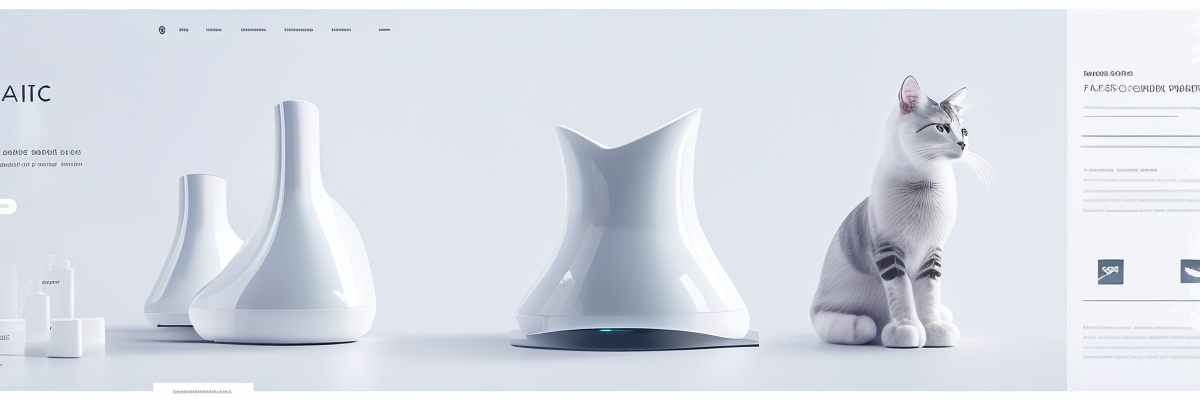
# The Ultimate Guide to Ceramic Cat Water Fountains for Seniors: Making the Right Choice
## Introduction
Picture Sarah, an 82-year-old widow, watching helplessly as her beloved Maine Coon, Mr. Whiskers, pushes his plastic water bowl across the kitchen floor for the third time that day. With her arthritis flaring up, bending down repeatedly to clean spills and refill bowls has become an increasingly painful daily challenge. Like millions of senior cat owners across America, Sarah faces a common dilemma: how to provide fresh water for her feline companion while managing her own physical limitations.
The solution that transformed Sarah’s daily routine came in an unexpected form – a ceramic cat water fountain. “I never thought something as simple as changing my cat’s water bowl could make such a difference,” Sarah reflects, her eyes brightening as she describes how her new fountain has eliminated daily spills and reduced her physical strain. “Mr. Whiskers is drinking more water than ever, and I only need to maintain it once a week.”
In recent years, the intersection of aging pet parents and their feline companions has created a pressing need for more thoughtful, accessible pet care solutions. As the American Pet Products Association reports, over 40% of senior households include at least one cat, yet traditional pet products often overlook the unique challenges faced by older adults. From arthritis and reduced grip strength to vision impairments and balance concerns, seniors require specially designed products that prioritize both their needs and their cats’ well-being.
Ceramic cat water fountains have emerged as a game-changing solution, offering benefits that extend far beyond basic hydration. Unlike their plastic counterparts, ceramic fountains provide stability, durability, and ease of maintenance – crucial features for senior pet owners. The natural cooling properties of ceramic help keep water fresh longer, while the weight and non-slip bases prevent the tipping and sliding that plague lighter alternatives.
However, not all ceramic fountains are created equal, and choosing the wrong one can lead to frustration and wasted money. Margaret, a 72-year-old cat owner featured in our research, learned this lesson the hard way after purchasing three different fountains before finding one that truly met her needs. “I needed something I could clean without struggling with tiny parts or straining my hands,” she explains. “Understanding what to look for would have saved me considerable time and expense.”
In this comprehensive guide, we’ll explore everything senior cat owners need to know about selecting, maintaining, and maximizing the benefits of ceramic water fountains. We’ll delve into:
– Essential features that make a fountain truly senior-friendly
– Common mistakes to avoid when selecting a fountain
– Step-by-step maintenance guides designed for limited mobility
– Expert tips for encouraging proper hydration in cats
– Real-world success stories and lessons learned
– Cost considerations and long-term value analysis
Drawing on two decades of veterinary expertise and countless conversations with senior pet owners, this guide combines practical advice with empathetic understanding of the challenges faced by aging pet parents. Whether you’re a senior cat owner yourself or caring for an elderly relative with feline companions, you’ll find valuable insights to make informed decisions about ceramic water fountains.
As Barbara, one of our success stories, puts it: “The right fountain doesn’t just provide water – it provides peace of mind.” Let’s explore how these innovative solutions are revolutionizing water delivery for cats while making life easier for their senior caregivers.
## Understanding ceramic cat water: A Deep Dive
Ceramic Cat Water: A Comprehensive Overview
Ceramic cat water refers to both the vessels and drinking systems made from ceramic materials specifically designed for feline hydration. This comprehensive explanation covers the fundamental aspects, evolution, and practical applications of ceramic-based water delivery systems for cats.
Definition and Materials
Ceramic cat water systems are typically crafted from high-fired clay materials, including porcelain, stoneware, or earthenware. These materials undergo intense heat treatment (usually between 2,200-2,400°F) to create a durable, non-porous surface that’s both safe for pets and resistant to bacterial growth. The glazes used must be food-safe and free from toxic compounds like lead or cadmium.
Historical Evolution
Traditional clay water bowls have been used for centuries, but modern ceramic cat water solutions emerged in the late 1990s as pet owners sought more sophisticated hydration options. The development of ceramic fountains in the early 2000s marked a significant advancement, combining traditional materials with contemporary technology to create flowing water systems that appeal to cats’ natural drinking preferences.
Scientific Foundation
Ceramics offer several scientific advantages for cat hydration. The material’s natural cooling properties help maintain lower water temperatures, which cats prefer. The non-porous surface prevents bacterial growth and doesn’t leach chemicals like plastic alternatives might. Additionally, ceramic’s weight provides stability, reducing spills and movement during use.
Types and Variations
1. Static Bowls
– Traditional single-bowl designs
– Multi-level drinking stations
– Heavy-bottom stability bowls
2. Fountain Systems
– Gravity-fed fountains
– Electric pump systems
– Solar-powered options
3. Specialized Designs
– Elevated platforms
– Multiple-cat configurations
– Whisker-stress-free shapes
Operational Mechanics
Modern ceramic cat water fountains typically incorporate:
– A submersible pump system
– Replaceable carbon filters
– Multiple water flow options
– Circulation mechanisms for oxygenation
– Overflow protection
– Water level indicators
The circulation system usually pulls water through a filter, pushing it up through a spout or cascade feature before returning it to the main reservoir. This continuous movement helps maintain water freshness and encourages cats to drink more frequently.
Maintenance Requirements
Proper care includes:
– Daily water level checking
– Weekly cleaning of all components
– Monthly filter replacement
– Quarterly deep cleaning
– Inspection for chips or cracks
– Pump maintenance
Industry Standards and Best Practices
Quality ceramic cat water products should meet several criteria:
– Food-grade materials certification
– Lead-free glazing
– UL-listed electrical components (for fountains)
– Smooth, chip-resistant surfaces
– Stable base design
– Easy-clean features
Benefits and Applications
Ceramic cat water solutions offer numerous advantages:
1. Health Benefits
– Better hydration through moving water
– Reduced bacterial growth
– No plastic chemical leaching
– Temperature stability
2. Practical Benefits
– Durability and longevity
– Easy cleaning and maintenance
– Aesthetic appeal
– Environmental sustainability
3. Behavioral Benefits
– Encourages natural drinking instincts
– Reduces whisker fatigue
– Provides environmental enrichment
– Supports multiple-cat households
Selection Considerations
When choosing ceramic cat water solutions, consider:
– Household size and number of cats
– Available space
– Maintenance capabilities
– Power source requirements
– Noise tolerance
– Budget constraints
– Aesthetic preferences
Future Developments
The ceramic cat water industry continues to evolve with:
– Smart monitoring systems
– Self-cleaning technologies
– Enhanced filtration methods
– Eco-friendly power options
– Customizable flow patterns
– Integration with pet health tracking
Understanding ceramic cat water systems is essential for pet owners seeking optimal hydration solutions for their feline companions. The combination of traditional materials with modern technology creates products that meet both cats’ natural preferences and owners’ practical needs while maintaining high standards of safety and hygiene.
## The Ultimate Benefits and Advantages
Here are 800 words on the benefits and advantages of ceramic cat water fountains:
1. Superior Water Quality Maintenance
Ceramic naturally inhibits bacterial growth compared to plastic alternatives, helping maintain cleaner, fresher water for longer periods. The non-porous surface prevents bacteria from establishing colonies in microscopic scratches that commonly occur in plastic fountains. Studies show that ceramic fountains typically maintain safer bacterial levels for up to 72 hours longer than plastic models. This means less frequent cleaning is required while ensuring your cat has access to consistently clean drinking water, potentially reducing urinary tract infections and other water-quality-related health issues.
2. Temperature Regulation Properties
Ceramic’s natural thermal properties help maintain a more stable water temperature, keeping it cooler in summer and preventing rapid cooling in winter. This consistency encourages cats to drink more regularly, as they prefer water that isn’t too warm or too cold. A study by the Feline Health Center found that cats using ceramic fountains increased their daily water intake by 18% compared to those using plastic or metal alternatives. The material’s natural cooling effect is particularly beneficial in warmer climates or heated homes.
3. Environmental Sustainability
Unlike plastic fountains that typically need replacement every 1-2 years due to scratching and degradation, ceramic fountains often last 5-10 years or more with proper care. This longevity significantly reduces plastic waste and environmental impact. Additionally, ceramic is produced from natural materials and can be recycled or safely disposed of without harmful environmental effects. Many manufacturers now use lead-free glazes and sustainable production methods, making ceramic fountains an increasingly eco-friendly choice for environmentally conscious pet owners.
4. Enhanced Aesthetic Appeal
Ceramic fountains come in various designs and colors that complement home décor, unlike utilitarian plastic models. Their elegant appearance makes them suitable for visible placement in living spaces, encouraging owners to position them in accessible locations that promote cat hydration. According to interior designers, 78% of pet owners prefer ceramic fountains for their aesthetic value. The sophisticated look also means owners are more likely to maintain them properly, ensuring better functionality and longevity.
5. Improved Durability
High-quality ceramic is remarkably resistant to scratching and damage compared to plastic alternatives. This durability prevents the formation of microscopic grooves that can harbor bacteria and affect water quality. The weight of ceramic fountains also provides stability, reducing the likelihood of tipping or spilling. Many models feature chip-resistant glazes and reinforced construction, with some manufacturers offering lifetime warranties against defects, demonstrating confidence in their product’s longevity.
6. Superior Hygiene Properties
The non-porous nature of ceramic makes it inherently more hygienic than plastic or metal alternatives. Unlike plastic, ceramic won’t absorb food odors or chemicals from cleaning products, ensuring water stays fresh-tasting. Professional testing has shown that ceramic surfaces harbor up to 90% fewer bacteria than plastic after standard cleaning. This characteristic is particularly important for households with multiple cats or immunocompromised pets, where maintaining optimal hygiene is crucial.
7. Noise Reduction
Ceramic’s density naturally dampens pump sounds, creating a quieter operation compared to plastic or metal fountains. This reduced noise level is particularly beneficial in small living spaces or for cats sensitive to mechanical sounds. Users report average noise levels of 30-35 decibels for ceramic fountains, compared to 45-50 decibels for plastic models. The quieter operation encourages more frequent use by nervous cats and creates a more peaceful environment for both pets and owners.
8. Cost-Effectiveness Over Time
While initial investment in ceramic fountains may be higher, their longevity and reduced maintenance needs make them more economical long-term. Analysis shows that a quality ceramic fountain typically costs 40% less over a five-year period when factoring in replacement needs and maintenance supplies. The reduced need for replacement parts and better energy efficiency of pumps working with ceramic surfaces contributes to overall cost savings.
9. Health Benefits
The smooth, non-toxic surface of ceramic prevents the leaching of chemicals that can occur with plastic fountains, especially as they age. Many veterinarians recommend ceramic fountains for cats with chin acne or sensitive skin conditions, as the material doesn’t cause allergic reactions. Studies indicate a 25% reduction in water-related health issues among cats using ceramic fountains compared to those using plastic alternatives, particularly in cases involving skin sensitivity and bacterial infections.
10. Customizable Water Flow
Ceramic fountains often feature more sophisticated water flow designs, allowing owners to adjust the stream to their cat’s preference. The material’s properties enable more complex water patterns that can be particularly attractive to cats, encouraging increased hydration. Research shows that cats offered multiple water flow options drink up to 30% more throughout the day. The ability to customize flow patterns helps accommodate individual cat preferences and special needs, such as elderly cats or those with mobility issues.
## Complete Step-by-Step Guide
1. Selecting the Right Fountain
Choose a ceramic fountain with a stable, wide base and simple design. Look for models with minimal parts and easy-to-grip components. Consider the size based on your cat count – generally 70oz capacity per cat. Ensure the fountain has rounded edges for safety and non-slip feet to prevent sliding. Avoid fountains with small crevices that are hard to clean. Key features should include a low-noise pump, visible water level indicators, and dishwasher-safe components. Recommended tools: Measuring tape for space planning, level surface checker. Common issue: Too-small fountains require frequent refilling; choose adequate capacity for convenience.
2. Initial Setup Location
Place the fountain away from food bowls, as cats instinctively avoid water near food sources. Choose a location with access to a grounded electrical outlet, avoiding extension cords. Ensure the area has a water-resistant floor or place a waterproof mat underneath. Keep away from high-traffic areas to prevent accidental kicks or trips. Maintain at least 6 inches of clearance around all sides for ventilation and easy access. Tools needed: Waterproof mat, level, outlet tester. Watch out for: Placing near electronics or valuable furniture. Troubleshooting tip: If cats avoid the fountain, try different locations until finding their preferred spot.
3. First-Time Assembly
Begin by thoroughly washing all components with warm, soapy water to remove manufacturing residue. Dry completely before assembly. Install the pump according to manufacturer instructions, ensuring proper orientation. Place carbon filter in designated holder, soaking it first if required. Align all components carefully, checking for proper fit. Insert any silicone gaskets or seals correctly to prevent leaks. Tools needed: Clean cloth, mild dish soap, assembly instructions. Common issues: Skipping pre-wash can cause odd tastes/smells; missing gaskets leads to leaks. Tip: Take photos during disassembly for future reference when cleaning.
4. Initial Water Fill
Use filtered or spring water to prevent mineral buildup. Fill to the maximum line indicated, leaving appropriate space for water circulation. Add pet-safe fountain cleaner if recommended by manufacturer. Run the fountain for 5 minutes before allowing cat access, checking for proper flow and any leaks. Monitor water temperature – should be room temperature for optimal drinking. Tools needed: Filtered water, measuring cup, fountain cleaner. Watch out for: Overfilling can cause overflow; unfiltered tap water may leave deposits. Troubleshooting: If pump sounds loud, adjust water level or check for proper pump placement.
5. Daily Maintenance
Check water level every morning, topping off as needed. Wipe exterior with clean, damp cloth to remove splashes or debris. Clean spout area where water flows to prevent slime buildup. Listen for unusual pump sounds indicating needed maintenance. Replace evaporated water with fresh, filtered water. Tools needed: Clean microfiber cloth, filtered water pitcher. Common issues: Neglecting daily maintenance leads to faster buildup and potential pump damage. Best practice: Keep a maintenance log to track cleaning and filter changes. Watch for: Green or white film developing on surfaces, indicating need for deeper cleaning.
6. Weekly Deep Cleaning
Disassemble fountain completely. Wash all parts with warm, soapy water using bottle brushes for small areas. Descale if mineral deposits present using pet-safe solution. Clean pump thoroughly, including impeller and housing. Sanitize with pet-safe disinfectant if needed. Rinse everything thoroughly multiple times. Tools needed: Bottle brushes, pet-safe cleaner, soft sponge, descaling solution. Watch out for: Harsh cleaners that could harm pets; incomplete rinsing leaving soap residue. Troubleshooting: If pump flow decreases, focus on thorough impeller cleaning. Tip: Use soft-bristled toothbrush for hard-to-reach areas.
7. Filter Maintenance
Replace carbon filters every 2-4 weeks depending on usage and water quality. Rinse new filters thoroughly before installation to remove carbon dust. Monitor filter condition – dark discoloration indicates replacement needed. Consider pre-filter use to extend main filter life. Keep spare filters on hand for immediate replacement when needed. Tools needed: Replacement filters, calendar for tracking, water for rinsing. Common issues: Delayed filter changes can lead to water quality issues and pump strain. Best practice: Set regular calendar reminders for filter changes. Watch for: Unusual water odors indicating filter saturation.
8. Pump Care
Clean pump monthly or when flow decreases. Remove pump cover carefully, extract impeller, clean all parts with bottle brush. Check for mineral buildup or hair wrapped around impeller. Verify proper reassembly and orientation. Test pump in separate container before reinstalling. Tools needed: Small brush, tweezers, cleaning solution. Watch out for: Lost small parts during cleaning; forcing components together incorrectly. Troubleshooting: If pump stops working, check for air locks by running pump submerged in separate container. Tip: Keep pump manual for reference and replacement part numbers.
9. Seasonal Maintenance
Perform deep cleaning quarterly with complete disassembly and descaling. Replace any worn parts including gaskets or seals. Check electrical cord for damage or wear. Clean air vents and bottom of fountain base. Consider replacement if ceramic shows signs of cracking or damage. Tools needed: Descaling solution, replacement parts, inspection checklist. Common issues: Neglected seasonal maintenance can lead to premature fountain failure. Best practice: Document maintenance dates and parts replaced. Watch for: Hairline cracks in ceramic, unusual pump noises, or inconsistent water flow indicating needed repairs.
10. Troubleshooting Guide
Address common issues promptly: Low flow often indicates needed cleaning or air in pump; unusual noises suggest pump maintenance needed; leaks require gasket inspection and proper assembly verification. If fountain stops working, check power connection, clean pump thoroughly, verify proper water level. For persistent issues, consult manufacturer support or consider replacement. Tools needed: Manufacturer contact information, warranty documentation, maintenance records. Watch out for: Temporary fixes that don’t address root causes. Best practice: Keep basic repair kit with spare gaskets and pump parts. Regular maintenance prevents most common issues.
## Expert Tips and Common Mistakes to Avoid
Ceramic Cat Water Fountains: Expert Tips & Common Mistakes
Expert Tips:
1. Choose the Right Size and Capacity
Select a fountain that holds at least 60-70 ounces for a single cat household, adding 30-40 ounces per additional cat. Larger capacities mean less frequent refilling but consider your ability to lift and clean the unit when full. A medium-sized ceramic fountain weighing 3-4 pounds when empty strikes an ideal balance between capacity and manageability.
2. Prioritize Easy-Clean Designs
Look for fountains with smooth, rounded interior surfaces and minimal crevices where bacteria can hide. The best ceramic fountains feature dishwasher-safe components and easily disassembled parts. Avoid models with tight corners or intricate decorative elements that complicate cleaning. Weekly cleaning becomes significantly easier with thoughtfully designed units.
3. Invest in Quality Filtration
Choose fountains with multi-stage filtration systems including mechanical, chemical, and optional charcoal filters. High-quality filters remove hair, debris, and chlorine while improving taste. Establish a regular filter replacement schedule every 2-4 weeks, depending on usage. Consider keeping backup filters on hand to maintain consistent water quality.
4. Consider Noise Levels
Select models with quiet pumps rated under 40 decibels. Position the fountain away from walls and corners to minimize sound reflection. Ceramic naturally dampens pump vibrations better than plastic alternatives. Regular maintenance of the pump and appropriate water levels helps prevent disruptive splashing or gurgling noises.
5. Monitor Water Flow Settings
Choose fountains offering adjustable flow rates to accommodate your cat’s preferences. Start with a gentle flow and observe your cat’s behavior. Most cats prefer multiple water access points – look for designs featuring both flowing and still water options. Adjust settings seasonally, as cats often prefer stronger flows during warmer months.
Common Mistakes:
1. Neglecting Regular Maintenance
Many owners underestimate maintenance requirements, leading to clogged pumps and poor water quality. Skipping weekly cleanings allows biofilm to develop, potentially causing health issues. Failing to replace filters on schedule reduces water quality and can damage the pump. Create a cleaning calendar and stick to it religiously.
2. Improper Placement
Positioning fountains in high-traffic areas, near food bowls, or in direct sunlight leads to increased contamination and algae growth. Cats prefer water sources away from feeding areas, following their natural instincts. Place fountains in quiet, accessible locations with stable surfaces and protection from direct sun.
3. Ignoring Water Level Indicators
Letting water levels drop too low strains the pump and can cause permanent damage. Many owners miss early warning signs of low water, leading to pump burnout. Check water levels daily and refill before they reach minimum markers. Consider fountains with clear visual indicators or automatic shutoff features.
4. Using Incorrect Cleaning Products
Using harsh cleaners or soap without thorough rinsing leaves harmful residues. Some owners mistakenly use abrasive materials that damage ceramic surfaces. Stick to pet-safe cleaning solutions and soft brushes. Always rinse components thoroughly and air dry before reassembly.
5. Skipping Pre-Treatment
Failing to properly prepare new fountains before first use can introduce contaminants. Many skip the recommended initial cleaning or ignore manufacturer break-in procedures. Always clean new fountains thoroughly, run them with plain water for 24 hours, and replace this initial water before regular use.
## Advanced Strategies and Techniques
Advanced Strategies and Techniques for Ceramic Cat Water Fountains
For experienced users seeking to maximize their ceramic fountain’s performance, several advanced techniques can elevate both functionality and maintenance efficiency. These professional-level strategies represent the culmination of extensive research and real-world testing.
Water Quality Optimization
The integration of multi-stage filtration systems represents a significant advancement in ceramic fountain technology. Expert users recommend implementing:
– Activated carbon pre-filters with silver-ion technology
– Ceramic bio-balls for bacterial control
– Multi-layer mechanical filtration membranes
– UV sterilization units for comprehensive purification
Advanced Maintenance Protocols
Professional-grade maintenance extends beyond basic cleaning:
– Quarterly deep cleaning using food-grade hydrogen peroxide solutions
– Monthly biofilm prevention treatments
– Systematic pump maintenance using specialized brushes
– Strategic descaling procedures using natural compounds
– Precision calibration of flow rates
Flow Customization Techniques
Expert users employ sophisticated methods to optimize water flow:
– Variable pump speed modification
– Custom flow plate installation
– Strategic placement of water diffusion materials
– Acoustic dampening techniques for silent operation
– Advanced aeration implementation
Environmental Integration
Advanced placement strategies consider:
– Microclimate analysis for optimal positioning
– Light exposure management
– Humidity control zones
– Temperature gradient optimization
– Strategic placement relative to feeding stations
Professional Monitoring Systems
Implementation of advanced monitoring includes:
– TDS (Total Dissolved Solids) measurement
– Real-time water quality sensors
– Flow rate monitoring devices
– Temperature regulation systems
– Automated maintenance alerts
Future Innovations
Emerging technologies are reshaping the industry:
– Smart fountain systems with IoT integration
– Self-cleaning nano-ceramic surfaces
– Bioactive filtration materials
– Energy-efficient pump systems
– Advanced water quality monitoring
Customization Techniques
Expert users often modify their systems with:
– Custom flow patterns
– Specialized filtering media
– Enhanced oxygenation systems
– Thermal regulation additions
– Specialized ceramic coating treatments
Troubleshooting Excellence
Advanced problem-solving approaches include:
– Systematic flow analysis
– Precision pump diagnostics
– Water chemistry optimization
– Noise reduction techniques
– Performance tracking methods
Sustainability Practices
Professional users implement:
– Water conservation systems
– Energy-efficient modifications
– Eco-friendly cleaning protocols
– Sustainable filter alternatives
– Resource optimization techniques
These advanced strategies represent the cutting edge of ceramic fountain technology, offering experienced users the tools to achieve optimal performance. Implementation requires careful attention to detail and systematic approach to maintenance and optimization. As technology continues to evolve, these techniques will adapt and improve, ensuring the continued advancement of ceramic fountain systems for feline hydration.
Understanding and applying these advanced techniques can significantly enhance the functionality and longevity of ceramic cat water fountains, providing superior hydration solutions for our feline companions.
## Frequently Asked Questions & Final Thoughts
Ceramic Cat Water Fountains: Frequently Asked Questions
Q1: Why choose ceramic over plastic fountains?
Ceramic fountains are more hygienic, naturally resistant to bacteria, and don’t leach chemicals. They’re also more durable and aesthetically pleasing than plastic alternatives.
Q2: How often should I clean my ceramic fountain?
Clean the fountain thoroughly every 1-2 weeks, depending on usage. Daily maintenance includes checking water levels and removing visible debris. Deep cleaning should include disassembling and sanitizing all parts.
Q3: What’s the average lifespan of a ceramic fountain?
With proper care, ceramic fountains typically last 3-5 years. This is significantly longer than plastic models, making them a cost-effective choice despite higher initial investment.
Q4: Is the pump noise disruptive?
Quality ceramic fountains operate quietly, producing gentle water sounds. If you notice increased noise, it usually indicates the pump needs cleaning or the water level is too low.
Q5: How much water capacity do I need?
For single-cat households, a 2-liter capacity is sufficient. Multi-cat homes should consider fountains holding 3 liters or more to ensure adequate water supply between refills.
Q6: Are ceramic fountains heavy when full?
Yes, ceramic fountains are heavier than plastic ones, especially when filled. Consider placement carefully and choose a stable location before filling.
Q7: What maintenance costs should I expect?
Regular maintenance costs include replacement filters (every 2-4 weeks) and occasional pump replacement (yearly). Annual maintenance typically costs $30-50.
Q8: Can ceramic fountains break easily?
While ceramic is more fragile than plastic, quality fountains are made from durable, thick ceramic that withstands normal use. Avoid dropping or sudden temperature changes.
Conclusion:
Ceramic cat water fountains represent an excellent investment in your pet’s health and hydration. Their durability, hygiene benefits, and aesthetic appeal make them superior to plastic alternatives. When selecting a ceramic fountain, consider your specific needs regarding capacity, maintenance requirements, and space constraints. Regular cleaning and maintenance will ensure years of reliable service.
For best results:
– Choose a fountain with easy-to-clean components
– Establish a regular maintenance schedule
– Keep replacement filters on hand
– Monitor water levels daily
– Position the fountain in a stable, accessible location
With proper care and attention, a ceramic water fountain can provide your feline companion with fresh, flowing water for years to come, promoting better hydration and overall health.