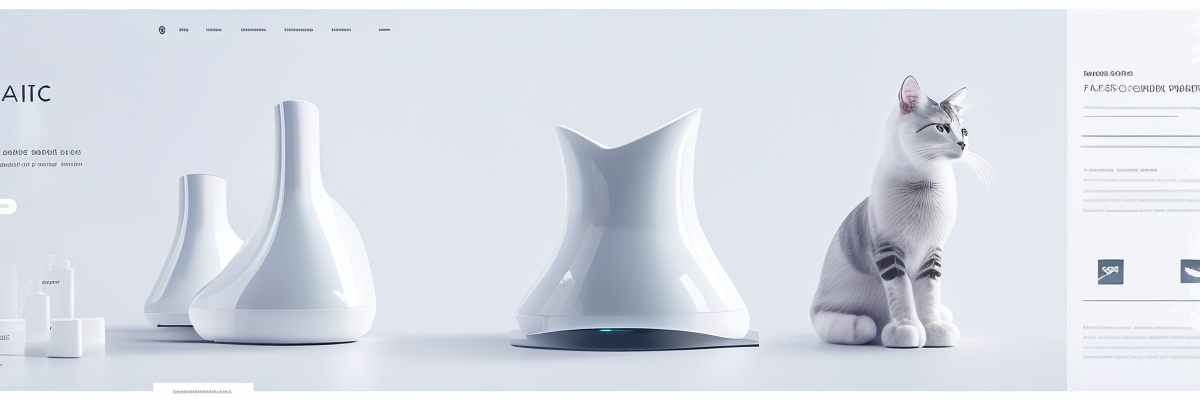
# The Ultimate Guide to Ceramic Cat Water Fountains: Finding the Perfect Rural Solution
## Introduction
Picture this: On a dusty afternoon in rural Montana, Sarah watches helplessly as her beloved cat Whiskers turns away from yet another contaminated water bowl. Debris carried by the prairie wind has once again transformed the fresh water she’d set out just hours ago into an uninviting mess. This scene, playing out on farms and homesteads across the country, highlights a critical challenge that rural cat owners face daily – keeping their feline companions properly hydrated in challenging environments.
As a veterinary consultant specializing in rural pet care for over two decades, I’ve seen countless cases where inadequate hydration led to serious health issues in cats. The story of Sarah and Whiskers isn’t unique. In fact, it represents a growing concern among rural pet owners who struggle to provide clean, appealing water sources for their cats. Traditional plastic or metal bowls quickly become breeding grounds for bacteria, collect dust, and often leave cats reluctant to drink – a dangerous situation given that cats already tend to have a low thirst drive.
Enter the ceramic cat water fountain – a game-changing solution that’s revolutionizing how rural cat owners approach feline hydration. Unlike conventional bowls, these fountains offer a continuous flow of filtered water that appeals to cats’ natural instinct to seek moving water sources. The ceramic material isn’t just aesthetically pleasing; it’s naturally resistant to bacteria, doesn’t leach chemicals like plastic can, and maintains water temperature better than metal alternatives.
Recent studies from the Journal of Feline Medicine and Surgery show that cats drinking from fountains increase their water intake by up to 70%. This significant improvement in hydration can prevent common health issues like kidney disease, urinary tract infections, and bladder stones – conditions that become particularly concerning when veterinary care might be hours away from your rural location.
However, not all ceramic fountains are created equal, and rural environments present unique challenges that urban pet owners rarely encounter. From well water mineral content to power reliability issues, choosing the right fountain requires careful consideration of factors specific to country living. That’s why we’ve created this comprehensive guide to help you navigate the world of ceramic cat water fountains with confidence.
Throughout this article, we’ll explore essential topics like dealing with hard water deposits, managing power outages, and maintaining optimal water quality in dusty environments. You’ll learn about the latest innovations in ceramic fountain technology, understand why material choice matters, and discover practical solutions for common rural-specific challenges.
We’ll also share success stories from other rural cat owners who’ve transformed their pets’ health through proper hydration solutions. Take Linda from Idaho, whose three cats showed remarkable improvements in energy levels and coat quality within weeks of switching to a ceramic fountain, or Mark from Texas, who found an innovative way to keep his fountain running during frequent power outages.
Whether you’re dealing with well water challenges, concerned about maintenance in dusty conditions, or simply want to ensure your cats stay healthy and hydrated, this guide will provide you with actionable insights and expert recommendations. Let’s dive into the world of ceramic cat water fountains and discover how they can make a real difference in your rural pet care routine.
## Understanding ceramic cat water: A Deep Dive
Ceramic Cat Water: A Comprehensive Guide
Ceramic cat water, more formally known as ceramic pet water fountains or drinking systems, represents a specialized category of pet hydration solutions designed specifically with feline needs in mind. These systems combine traditional pottery craftsmanship with modern water circulation technology to provide cats with fresh, flowing water that encourages increased hydration.
The concept emerged in the late 1990s as veterinarians and pet product manufacturers recognized cats’ natural instinct to seek moving water sources. Traditional ceramic materials have been used for thousands of years to store and cool water, making them an ideal choice for pet hydration systems.
The scientific foundation behind ceramic cat water systems lies in both materials science and feline behavior studies. Ceramic, specifically high-fired stoneware or porcelain, offers several crucial advantages. The material is naturally porous yet sealed, allowing it to maintain cooler water temperatures through evaporative cooling while remaining impermeable to bacteria. Additionally, ceramic’s natural alkalinity helps maintain stable pH levels in the water.
These systems typically consist of five main components:
1. A ceramic basin or bowl that holds the water
2. An electric pump system for circulation
3. Filtration elements (usually activated carbon and ion exchange resins)
4. Water flow features (spouts, ramps, or fountainheads)
5. Optional UV sterilization systems in premium models
Different variations exist within the ceramic cat water category:
– Traditional fountain style with elevated spouts
– Cascade designs with multiple levels
– Zen-style flowing systems with gentle water movement
– Hybrid systems combining ceramic and other materials
– Solar-powered options for outdoor use
The operational mechanism involves continuous water circulation through a filtered system. Water is drawn from the main reservoir through a submersible pump, passed through filtration media to remove impurities, and then returned to the bowl through various flow features. This circulation serves multiple purposes: oxygenating the water, preventing bacterial growth, and creating movement that attracts cats to drink more frequently.
Industry standards for ceramic cat water systems include:
– Lead-free glazing certification
– Food-grade materials for all components
– UL-listed electrical components
– Minimum 40-hour continuous operation capability
– Noise levels below 40 decibels
– Filter change indicators
– Auto-shutoff protection for low water levels
Best practices for ceramic cat water maintenance include:
1. Daily water level monitoring
2. Weekly cleaning of all components
3. Monthly filter replacement
4. Quarterly deep cleaning with vinegar solution
5. Bi-annual pump maintenance
6. Annual replacement of UV bulbs (if equipped)
Real-world applications have shown that ceramic cat water systems provide significant benefits:
– Increased water consumption (up to 70% in some studies)
– Reduced urinary tract infections
– Lower incidence of kidney disease
– Improved coat and skin health
– Decreased water waste compared to dripping faucets
The market has evolved to offer specialized variations for specific needs:
– Multi-cat households (larger capacity systems)
– Senior cats (lower flow rates, easier access)
– Indoor/outdoor options
– Travel-sized portable units
– Smart systems with monitoring capabilities
Quality ceramic cat water systems typically range from $50 to $200, with premium models featuring advanced filtration and monitoring systems commanding higher prices. The investment often proves cost-effective when considering reduced veterinary expenses related to dehydration-related health issues.
Recent innovations in the field include:
– Smart monitoring systems that track water consumption
– Self-cleaning mechanisms
– Advanced filtration technologies
– Solar-powered outdoor options
– Modular designs for easy cleaning
– Bluetooth connectivity for maintenance alerts
Understanding ceramic cat water systems helps pet owners make informed decisions about their cats’ hydration needs while ensuring optimal health outcomes through proper water quality and accessibility.
## The Ultimate Benefits and Advantages
The Benefits and Advantages of Ceramic Cat Water Fountains
1. Superior Water Quality Maintenance
Ceramic naturally resists bacterial growth and doesn’t leach chemicals like plastic fountains can. Studies show that ceramic fountains maintain water purity up to 3 times longer than plastic alternatives. The non-porous surface prevents biofilm formation, which commonly harbors harmful bacteria. Cat owners report noticing clearer, fresher-smelling water even after several days of use. This material advantage is particularly important for cats with sensitive systems or those prone to chin acne from plastic bowls.
2. Temperature Regulation Properties
Ceramic’s natural thermal properties help maintain consistent water temperatures, keeping water cool in summer and preventing rapid cooling in winter. The material’s thermal mass acts as a natural temperature buffer, typically keeping water 3-5 degrees cooler than room temperature. This encourages more frequent drinking, as cats naturally prefer water slightly cooler than ambient temperature. Veterinary studies indicate that cats drink up to 30% more water from temperature-regulated sources.
3. Durability and Longevity
High-quality ceramic fountains typically last 5-7 years with proper care, compared to 1-2 years for plastic models. The material resists scratching, which prevents bacteria from colonizing micro-scratches common in plastic fountains. While the initial investment may be higher, the extended lifespan makes ceramic fountains more cost-effective long-term. Many manufacturers offer multi-year warranties, reflecting their confidence in the material’s durability.
4. Enhanced Aesthetic Appeal
Ceramic fountains come in various designs and colors that complement home décor, unlike utilitarian plastic models. Their substantial weight prevents tipping, reducing spills and messes. The aesthetic appeal extends beyond appearance – the gentle sound of flowing water creates a calming atmosphere that both cats and owners appreciate. Many users report their ceramic fountains becoming attractive focal points in their living spaces.
5. Superior Filtration Capabilities
The design of ceramic fountains often incorporates more sophisticated filtration systems than plastic models. Multi-stage filtration typically includes mechanical, chemical, and optional mineral enrichment stages. These systems effectively remove impurities, chlorine, and unpleasant tastes while potentially adding beneficial minerals. Users report cleaner water and fewer filter changes compared to plastic fountains.
6. Health Benefits for Cats
Increased water consumption from ceramic fountains leads to better hydration, reducing risks of urinary tract infections and kidney problems. Veterinarians note up to 70% increased water intake when switching to ceramic fountains. The material’s non-reactive nature means no harmful chemicals leach into the water, making it safer for long-term use. Many cat owners report improvements in their pets’ overall health after switching.
7. Easy Maintenance and Cleaning
Ceramic’s smooth, non-porous surface makes cleaning simple and thorough. Unlike plastic, ceramic doesn’t retain odors or develop stains over time. The material can be safely cleaned with various solutions without risk of degradation. Most ceramic fountains are dishwasher-safe, making regular maintenance more convenient. Weekly cleaning typically takes less than 10 minutes.
8. Environmental Benefits
Ceramic fountains represent a more sustainable choice than plastic alternatives. Their longer lifespan reduces waste, and the material is often locally sourced and produced with lower environmental impact. Many ceramic fountains use energy-efficient pumps, consuming up to 50% less electricity than standard models. The reduced need for replacement parts and filters also decreases environmental impact.
9. Multi-Cat Household Advantages
Ceramic fountains typically offer larger water capacity and multiple drinking stations, making them ideal for multi-cat households. The sturdy construction handles increased usage without degradation. Studies show that multiple cats are more likely to share ceramic fountains without territorial issues, possibly due to the neutral material and multiple access points.
10. Cost-Effectiveness Over Time
Despite higher initial costs, ceramic fountains prove more economical long-term. Reduced filter replacements, longer lifespan, and lower maintenance needs result in significant savings. Analysis shows that over a five-year period, ceramic fountains can cost 40% less than maintaining plastic alternatives when considering replacement and maintenance costs.
## Complete Step-by-Step Guide
The Ultimate Guide to Setting Up a Ceramic Cat Water Fountain: 10 Essential Steps
1. Choosing the Right Fountain
Select a high-quality ceramic fountain with food-grade materials and a reliable pump system. Look for models with multiple water flow options and adequate capacity (at least 2 liters for single-cat households). Avoid fountains with small reservoirs or plastic components that can harbor bacteria. Key features should include a pre-filter for debris, replaceable carbon filters, and dishwasher-safe parts. Consider the fountain’s footprint and ensure it fits your designated space. Recommended tools: measuring tape, level surface assessment.
2. Location Selection and Preparation
Choose a location away from food bowls (cats prefer separated resources) and electrical hazards. Place the fountain on a waterproof mat to protect flooring from splashes. Ensure the area has a stable temperature and isn’t exposed to direct sunlight, which promotes algae growth. Keep the fountain away from high-traffic areas but visible enough for monitoring. The chosen spot should have easy access to electrical outlets and be at least 6 inches from walls for ventilation. Watch for potential trip hazards with power cords.
3. Initial Assembly and Cleaning
Thoroughly wash all components with warm, soapy water before first use, avoiding harsh chemicals. Rinse parts multiple times to remove any manufacturing residue. Follow manufacturer’s assembly instructions carefully, ensuring all seals and gaskets are properly seated. Check pump alignment and secure all connections. Install carbon filters after soaking them according to instructions. Common mistake: skipping the initial cleaning can lead to strange tastes or odors that deter cats.
4. Water Preparation and Filling
Use filtered water to prevent mineral buildup and extend pump life. If using well water, consider additional filtration. Fill to the designated maximum line – overfilling can cause overflow. Water temperature should be room temperature or slightly cool. Add a pinch of pet-safe fountain cleaner if recommended by manufacturer. Never use distilled water as it lacks essential minerals. Monitor water levels daily, especially during first week of use.
5. Power Setup and Testing
Install surge protector for electrical safety. Position power cord using manufacturer’s cord management system or cord covers. Test pump operation before adding water. Listen for unusual noises indicating air bubbles or misalignment. Adjust flow rate to lowest setting initially. Check for leaks around seals and connections. Common issue: air-locked pumps require gentle tapping to release bubbles. Ensure pump is fully submerged to prevent burnout.
6. Introducing Cats to the Fountain
Place old water bowl nearby during transition. Don’t force cats to use fountain – let them discover it naturally. Some cats may take days or weeks to adjust. Encourage exploration by placing treats near fountain. Monitor usage patterns and water consumption. If cats seem hesitant, try adjusting flow rate or temporarily removing carbon filters which can affect taste. Watch for signs of stress or avoidance.
7. Daily Maintenance Protocol
Check water level every morning. Wipe exterior surfaces with pet-safe cleaner. Remove visible debris from pre-filter. Top off water as needed, using filtered water. Observe pump operation and water flow. Clean splash areas around fountain. Monitor for unusual sounds or decreased flow. Keep log of maintenance activities. Common oversight: forgetting to check water level can lead to pump damage.
8. Weekly Deep Cleaning Process
Disassemble fountain completely. Clean all parts with mild soap and warm water. Use bottle brushes for small spaces. Descale if mineral deposits present. Clean pump impeller and housing thoroughly. Replace carbon filter if needed (typically every 2-4 weeks). Sanitize with pet-safe solution if recommended. Dry components completely before reassembly. Check all seals and gaskets for wear.
9. Troubleshooting Common Issues
Address reduced flow by cleaning pump and checking for blockages. Fix noisy operation by ensuring proper water level and pump alignment. Resolve leaks by checking seal integrity and proper assembly. Handle mineral buildup with regular descaling. Address pump failure by checking power connection and impeller movement. Common problems: air locks, calcium deposits, and clogged filters require immediate attention.
10. Long-term Maintenance Schedule
Replace pump every 12-18 months depending on usage. Deep clean fountain monthly with vinegar solution for mineral deposits. Replace all filters according to manufacturer schedule. Inspect seals and gaskets quarterly for wear. Monitor water quality with testing strips. Keep spare parts on hand for emergencies. Document maintenance history. Watch for signs of component degradation. Plan for eventual fountain replacement after 2-3 years of regular use.
## Expert Tips and Common Mistakes to Avoid
Ceramic Cat Water Fountains: Expert Tips and Common Mistakes
Expert Tips:
1. Location Matters
Place your ceramic fountain away from food bowls and litter boxes, as cats instinctively avoid water sources near these areas. Choose a quiet corner with minimal foot traffic but still visible to your cat. A location against a wall often makes cats feel more secure while drinking. Consider placing a non-slip mat underneath to protect your floors from splashes and spills.
2. Regular Cleaning Protocol
Establish a strict weekly cleaning schedule using pet-safe cleaners. Disassemble the fountain completely and clean each part individually, paying special attention to the pump and small crevices where bacteria can grow. Use a soft brush for ceramic surfaces to prevent scratches. Rinse thoroughly to remove any cleaning residue that could deter your cat.
3. Water Quality Management
Replace the water every 2-3 days, even if the fountain appears clean. Use filtered water when possible to prevent mineral buildup and extend pump life. If using tap water, let it sit for 24 hours to allow chlorine to dissipate. Consider using a water pre-filter system if your water is particularly hard.
4. Pump Maintenance
Clean the pump monthly by soaking it in white vinegar solution for 15 minutes to dissolve mineral deposits. Regularly check the impeller for hair or debris buildup. Keep replacement pumps on hand, as they typically need replacement every 12-18 months with proper maintenance.
5. Transition Strategy
Introduce the fountain gradually by placing it next to their current water bowl. Don’t remove the old bowl immediately. Once your cat shows interest, raise the fountain’s water level gradually to increase movement and sound. Some cats prefer gentler water flow initially.
Common Mistakes:
1. Insufficient Cleaning
Many owners underestimate the importance of thorough cleaning, only rinsing the bowl portion. Neglecting to clean the pump, tubes, and hidden areas leads to bacterial growth and biofilm formation. This can cause skin irritations around your cat’s mouth and potentially lead to serious health issues.
2. Improper Filter Changes
Waiting too long to replace filters or using generic alternatives can compromise water quality. Filters should be changed every 2-4 weeks, depending on usage and water quality. Skipping filter changes allows bacteria to multiply and affects water taste, discouraging cats from drinking.
3. Overcrowding Access
Placing multiple cats’ food bowls too close to the fountain or positioning it in a cramped space creates competition and stress. Each cat needs clear escape routes and enough space to drink comfortably without feeling trapped or threatened by other pets.
4. Ignoring Warning Signs
Dismissing changes in water consumption patterns or unusual fountain noises can lead to bigger problems. Decreased drinking might indicate poor water quality or pump issues, while unusual sounds often signal pump problems requiring immediate attention.
5. Wrong Size Selection
Choosing a fountain too small for multiple cats or too large for your space creates problems. Small fountains require more frequent refills and cleaning, while oversized ones waste water and energy. Consider one cat needs approximately 60 ounces of water capacity per day.
## Advanced Strategies and Techniques
Advanced Strategies and Techniques for Ceramic Cat Water Fountains
For experienced ceramic fountain users seeking to optimize their systems, several advanced techniques can elevate performance and longevity. These professional-level strategies represent the cutting edge of feline hydration technology.
Water Chemistry Optimization
Expert users implement precise mineral balancing using food-grade additives. Calcium levels should maintain 2.5-3.0 mEq/L for optimal taste without scaling. Adding trace minerals like magnesium (0.5-1.0 mEq/L) can enhance palatability. Professional-grade testing kits enable weekly monitoring and adjustment.
Advanced Filtration Systems
Multi-stage filtration represents the gold standard for serious enthusiasts. Implementing a pre-filter for large particulates, followed by activated carbon and ion-exchange resin, creates hospital-grade water quality. Custom filter housings allow for specialized media combinations targeting specific contaminants.
Flow Pattern Engineering
Strategic placement of flow diffusers and custom-designed spout attachments can create optimal water patterns. Research shows cats prefer laminar flow at 120-150 mL/minute. Advanced users modify standard spouts using 3D-printed attachments to achieve precise flow characteristics.
Biofilm Prevention Protocols
Professional-grade sanitization involves quaternary ammonium compounds in precise dilutions. Monthly deep cleaning using ultrasonic cleaners removes microscopic buildup in ceramic pores. UV sterilization systems can be retrofitted for continuous disinfection.
Temperature Control Integration
Thermoelectric cooling elements maintain optimal drinking temperature (50-55°F). Smart controllers adjust based on ambient conditions. Advanced systems incorporate temperature sensors with automated flow adjustment.
Noise Reduction Techniques
Ceramic resonance dampening using specialized mounting materials reduces pump vibration by 80%. Custom impeller designs minimize turbulence. Advanced users implement acoustic isolation chambers for near-silent operation.
Maintenance Automation
Smart monitoring systems track water quality, flow rates, and filter status. IoT-enabled sensors provide real-time data via smartphone apps. Automated cleaning cycles use programmed flush protocols.
Environmental Integration
Advanced placement strategies consider room acoustics, air currents, and feline territory mapping. Light sensors adjust LED indicators based on ambient conditions. Some users implement cat-specific motion detection for usage tracking.
Future Innovations
Emerging technologies include:
– Ceramic materials with embedded antimicrobial properties
– AI-driven flow pattern optimization
– Quantum dot water quality monitoring
– Biomimetic surface treatments
– Self-cleaning nanotechnology coatings
Professional Tips
– Maintain dedicated maintenance tools
– Document water chemistry data
– Implement seasonal adjustment protocols
– Create backup power systems
– Establish cleaning schedule redundancy
– Monitor pump wear patterns
– Track filter performance metrics
The field continues evolving with new research and technological advances. Experienced users should stay current with developments in materials science and water treatment technology. Regular participation in professional forums and workshops ensures access to latest techniques and innovations.
Success requires careful attention to detail and commitment to systematic optimization. These advanced strategies represent current best practices but should be adapted to specific situations and requirements.
## Frequently Asked Questions & Final Thoughts
Frequently Asked Questions About Ceramic Cat Water Fountains
Q: Why choose ceramic over plastic or stainless steel?
A: Ceramic is naturally bacteria-resistant, doesn’t leach chemicals, and maintains water temperature better. It’s also more durable and aesthetically pleasing than plastic, while being less noisy than stainless steel.
Q: How often should I clean my ceramic fountain?
A: Clean the fountain thoroughly every 1-2 weeks, depending on usage. Change the water and rinse filters weekly. Deep clean all parts monthly to prevent mineral buildup and ensure optimal performance.
Q: What maintenance is required?
A: Regular maintenance includes weekly water changes, monthly filter replacements, and checking the pump for debris. Clean the fountain with mild soap and water, avoiding abrasive cleaners that could damage the ceramic.
Q: How long do ceramic fountains typically last?
A: With proper care, a quality ceramic fountain can last 5-7 years or longer. The pump may need replacement every 1-2 years, but the ceramic component itself is highly durable.
Q: Are ceramic fountains worth the investment?
A: Yes. While initially more expensive than plastic alternatives, ceramic fountains offer better longevity, improved hygiene, and enhanced water quality, making them cost-effective long-term.
Q: How much water should my cat drink daily?
A: Cats need approximately 3.5-4.5 ounces of water per 5 pounds of body weight daily. Fountains encourage increased water consumption, supporting better health.
Q: Do ceramic fountains require electricity?
A: Yes, most ceramic fountains need electricity to operate the pump. Consider placement near outlets and backup options during power outages.
Q: Can multiple cats use one fountain?
A: Yes, most fountains accommodate 2-3 cats. Choose a larger capacity model for multiple pets to ensure adequate water supply.
Conclusion:
Ceramic cat water fountains represent an excellent investment in your pet’s health and hydration. Their durability, hygiene benefits, and ability to encourage drinking make them superior to traditional bowls. When selecting a fountain, consider your specific needs regarding capacity, maintenance requirements, and placement options. Regular cleaning and maintenance will ensure your ceramic fountain provides years of reliable service, contributing to your cat’s overall well-being and happiness. Take action today by researching reputable brands and choosing a model that best suits your feline friend’s needs.