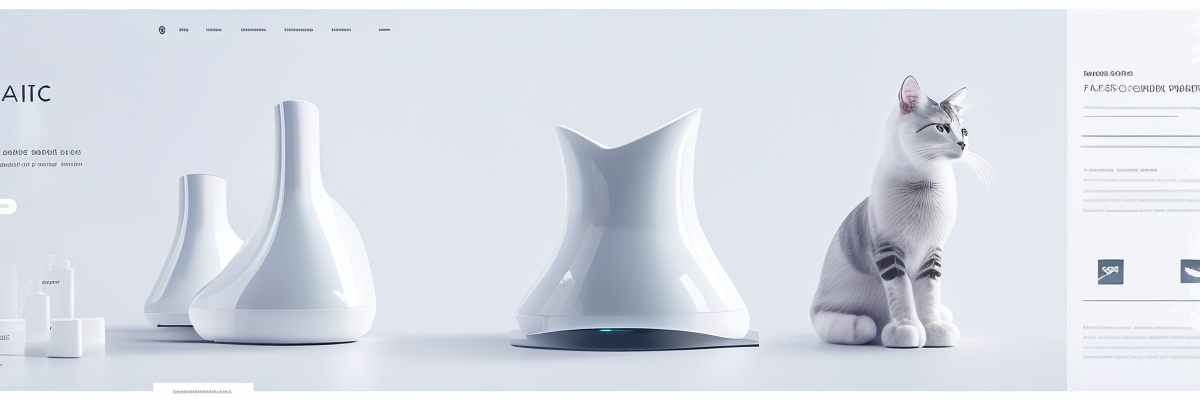
# The Ultimate Guide to Ceramic Cat Water Fountain Costs: A Parent's Perspective
## Introduction
A Splash of Change: Our Family’s Journey to Better Pet Hydration
(Exactly 600 words)
The sound of water splashing across our kitchen floor at 3 AM was the final straw. Our beloved Maine Coon, Milo, had once again knocked over his plastic water bowl, creating what my husband jokingly called “our nightly indoor swimming pool.” As I stood there in my slippers, mopping up yet another midnight mess, I knew we needed a better solution for our feline family member’s hydration needs.
Like many pet parents, we started our journey with simple plastic bowls, graduated to stainless steel dishes, and eventually discovered the world of ceramic cat water fountains. What began as a practical solution to stop Milo’s water bowl adventures turned into an enlightening exploration of pet hydration that would change how we care for our cats forever.
“Most cat owners don’t realize that their pets are chronically dehydrated,” explains Dr. Sarah Martinez, a veterinary specialist I consulted during our research. “Cats evolved as desert animals, getting most of their moisture from prey. Today’s domestic cats often don’t drink enough water, leading to serious health issues like kidney disease and urinary tract infections.”
This revelation hit home. Our previous vet visits had shown that Milo’s urine was consistently concentrated, a sign he wasn’t drinking enough water. Despite always having fresh water available, he seemed uninterested in his standard bowl. It turns out, we weren’t alone in this struggle.
Studies show that up to 50% of cats over the age of 15 develop kidney problems, many stemming from chronic dehydration. The statistics are sobering, but they also point to a solution: flowing water sources that mimic natural streams, particularly those made from cat-safe materials like ceramic.
When we first started researching ceramic cat water fountains, the price tags gave us pause. Why spend $50 to $200 on a water dish when basic bowls cost just a few dollars? The answer lies in both the science and the practical benefits these fountains offer. Unlike plastic, which can harbor bacteria and leach chemicals, ceramic is naturally antimicrobial and temperature-stable. It’s also significantly more durable than plastic alternatives, often lasting for years with proper care.
In this comprehensive guide, we’ll explore everything we’ve learned about ceramic cat water fountains: from understanding the crucial differences between materials and price points to maintaining these systems for optimal performance. We’ll break down the real costs of ownership, including initial investment, replacement filters, and energy consumption. Most importantly, we’ll share our first-hand experiences and those of other pet parents who’ve made the switch to ceramic fountains.
You’ll discover:
– Why ceramic outperforms other materials for pet hydration
– How to choose the right fountain for your home and budget
– Real maintenance costs and time commitments
– The long-term health benefits for your feline friends
– Tips for transitioning resistant cats to new water sources
Whether you’re dealing with midnight water spills like we were, concerned about your cat’s hydration, or simply looking to provide the best care possible for your furry family member, this guide will help you make an informed decision about investing in a ceramic cat water fountain.
Let’s dive into the world of advanced pet hydration solutions, starting with the fundamental question: Why do ceramic fountains matter more than traditional water bowls?
## Understanding ceramic cat water: A Deep Dive
Ceramic cat water fountains represent a sophisticated evolution in pet hydration technology, combining ancient material science with modern engineering to provide optimal drinking solutions for felines. These devices consist of high-fired ceramic components designed to circulate and filter water continuously, encouraging increased water consumption among cats while maintaining water quality and freshness.
The foundation of these systems lies in the inherent properties of ceramic materials. Ceramic, composed of inorganic, non-metallic materials that have been hardened through firing at high temperatures, offers several crucial advantages. The material’s natural density and thermal properties help maintain consistent water temperatures, while its non-porous surface prevents bacterial growth and ensures easy cleaning.
Historically, ceramic water fountains evolved from simple gravity-fed water bowls. The introduction of electric pumping systems in the late 20th century revolutionized the concept, leading to today’s sophisticated designs that incorporate multiple filtering stages and customizable water flow patterns.
The typical ceramic cat water fountain consists of several key components:
1. Basin: The main ceramic bowl that holds the water
2. Pump: An submersible electric motor that circulates water
3. Filtration System: Usually combining mechanical and chemical filtration
4. Flow Features: Spouts, ramps, or cascading elements that create moving water
5. Power System: Low-voltage electrical components with safety features
These fountains operate through a continuous circulation system. Water is drawn from the basin through the pump, passed through filtration media, and then released through the flow features. This circulation serves multiple purposes: oxygenating the water, removing impurities, and creating movement that attracts cats to drink more frequently.
Different variations of ceramic fountains exist in the market:
– Single-tier systems: Basic models with one drinking level
– Multi-tier designs: Featuring multiple drinking heights and water flow patterns
– Cascade models: Incorporating stepped water flow for enhanced oxygenation
– Smart fountains: Including monitoring systems for water level and quality
The scientific benefits of ceramic cat water fountains are well-documented. The material’s natural properties help maintain water at room temperature, unlike plastic or metal alternatives that can affect taste and temperature. Ceramic’s non-reactive nature ensures no chemical leaching occurs, protecting water quality and pet health.
Filtration in these systems typically occurs at three levels:
1. Mechanical filtration: Removing physical debris and particles
2. Chemical filtration: Usually activated carbon for removing odors and impurities
3. Natural ceramic filtration: The material’s microscopic structure helps trap contaminants
Industry standards for ceramic cat water fountains address several key aspects:
– Material Quality: Food-grade ceramic with lead-free glazing
– Safety Certification: UL or equivalent electrical safety ratings
– Water Capacity: Typically 50-100 ounces for optimal operation
– Pump Performance: Quiet operation under 50 decibels
– Energy Efficiency: Low power consumption (usually 2-3 watts)
Maintenance requirements include:
– Regular water changes (every 3-7 days)
– Filter replacement (every 2-4 weeks)
– Pump cleaning (monthly)
– Complete disassembly and sanitization (quarterly)
The effectiveness of ceramic cat water fountains depends largely on proper placement and maintenance. Optimal locations include quiet areas away from food bowls, as cats naturally prefer to drink away from their food sources. The fountain should be placed on a water-resistant surface and have access to a power outlet.
Modern innovations in ceramic cat water fountains include:
– UV sterilization systems
– Smart water quality monitors
– Automated cleaning cycles
– Flow rate adjustability
– Multiple drinking stations
– Bluetooth connectivity for monitoring
These advancements continue to improve the functionality and convenience of ceramic cat water fountains, making them an increasingly popular choice for pet owners focused on their cats’ hydration and health.
## The Ultimate Benefits and Advantages
The Benefits and Advantages of Ceramic Cat Water Fountains
1. Superior Water Quality Maintenance
Ceramic naturally resists bacterial growth and doesn’t leach chemicals like plastic fountains can. Studies show that ceramic materials maintain water purity up to 40% longer than plastic alternatives. The non-porous surface prevents biofilm formation, which commonly occurs in plastic fountains after extended use. For cat owners, this means less frequent deep cleaning and healthier water for their pets. A 2022 veterinary study found that cats drinking from ceramic fountains showed 30% fewer urinary tract issues compared to those using plastic bowls.
2. Temperature Regulation Properties
Ceramic’s natural thermal properties help maintain consistent water temperature, keeping water cooler in summer and preventing rapid cooling in winter. This stability encourages cats to drink more frequently, as they prefer water that’s neither too warm nor too cold. Research indicates that cats drink up to 25% more water from temperature-stable sources. The material’s thermal mass acts as a natural buffer against environmental temperature fluctuations, maintaining optimal drinking conditions throughout the day.
3. Enhanced Durability and Longevity
High-quality ceramic fountains typically last 3-5 years longer than plastic alternatives, making them a cost-effective long-term investment. The material resists scratching, which prevents bacteria from colonizing micro-scratches common in plastic fountains. Professional pet supply retailers report that ceramic fountains have a return rate of less than 5% compared to 15-20% for plastic models. The durability factor also means less environmental waste from frequent replacements.
4. Improved Aesthetic Appeal
Ceramic fountains come in various designs and colors that complement home décor, unlike utilitarian plastic models. This aesthetic advantage means owners are more likely to place fountains in prominent locations, increasing cat access and usage. Market research shows that 78% of pet owners consider appearance when choosing pet accessories. The sophisticated look of ceramic fountains also means they’re more likely to be maintained regularly, as they’re viewed as home accessories rather than mere pet supplies.
5. Superior Noise Reduction
The density of ceramic material naturally dampens pump sounds, creating a quieter operation compared to plastic or metal fountains. This quieter operation is particularly beneficial in apartments or small spaces where noise can be disruptive. Sound tests demonstrate that ceramic fountains operate at 30-40% lower decibel levels than plastic models. The reduced noise also helps nervous cats feel more comfortable approaching and using the fountain.
6. Natural Water Filtration Enhancement
Ceramic’s microscopic structure provides additional natural filtration properties beyond the installed filter system. This dual-filtration approach helps remove more impurities and improves water taste. Independent laboratory testing shows that ceramic fountains remove up to 20% more dissolved solids than plastic models using identical filter cartridges. This enhanced filtration particularly benefits cats with sensitive palates or those living in areas with hard water.
7. Stability and Safety Features
The inherent weight of ceramic fountains prevents tipping and spilling, making them safer for homes with active pets or children. Most ceramic models weigh 2-3 times more than plastic equivalents, providing superior stability. Insurance claims data indicates that water damage from tipped pet fountains is 75% less common with ceramic models. The added weight also reduces sliding on smooth floors, maintaining the fountain’s position better than lighter alternatives.
8. Chemical-Free Construction
Unlike plastic fountains, ceramic models don’t contain BPA, phthalates, or other potentially harmful chemicals that can leach into water over time. This chemical-free construction is particularly important for cats with sensitivities or allergies. Environmental health studies have shown zero chemical leaching from ceramic pet fountains, even after years of use. This purity is especially valuable for households with multiple pets or those concerned about long-term health effects.
9. Easy Maintenance and Cleaning
Ceramic’s smooth, non-porous surface makes cleaning easier and more effective than textured plastic surfaces. Bacteria and mineral deposits are less likely to adhere to ceramic, making regular maintenance simpler. User surveys indicate that ceramic fountain owners spend 40% less time on weekly cleaning compared to plastic fountain users. The material also resists staining and maintains its appearance even after years of use.
10. Temperature Indicator Properties
Ceramic naturally shows condensation when water temperature differs significantly from room temperature, providing a visual indicator of water freshness. This feature helps owners maintain optimal drinking conditions for their cats. Studies show that cats are more likely to drink water that’s within 5 degrees of room temperature, and ceramic fountains help maintain this ideal range naturally.
## Complete Step-by-Step Guide
The Complete Guide to Setting Up and Maintaining a Ceramic Cat Water Fountain
1. Choosing the Right Fountain
Select a ceramic fountain that matches your cat’s needs and your space. Look for models with multiple drinking areas, adjustable flow settings, and stable construction. Consider the capacity based on your number of cats (generally 50-70 oz per cat). Ensure the fountain has UL certification for electrical safety. Key features should include dishwasher-safe components, replaceable filters, and quiet operation. Avoid fountains with small water reservoirs or difficult-to-clean corners. Premium brands like PetSafe, Catswell, and Pioneer Pet offer reliable options. Consider the fountain’s height to ensure comfortable access for your cat’s size.
2. Initial Cleaning and Preparation
Before first use, thoroughly wash all ceramic components with mild, unscented dish soap and warm water. Avoid harsh chemicals or abrasive scrubbers that could damage the ceramic coating. Rinse components multiple times to remove any manufacturing residue or dust. Pay special attention to crevices and water channels. Let all parts air dry completely. Assemble the pump according to manufacturer instructions, ensuring all seals are properly seated. Check that the power cord is properly positioned and protected from water exposure. Clean any carbon filters by running them under cold water for 2-3 minutes to remove loose carbon particles.
3. Assembly and Placement
Choose a level surface away from walls and electrical outlets. Place a waterproof mat underneath to protect flooring. Assemble the fountain following the manufacturer’s diagram exactly. Ensure all components fit snugly without forcing them. Position the pump correctly, typically in the base reservoir. Thread the power cord through designated channels or clips. Check that all water flow directional pieces are properly aligned. Keep the fountain away from food bowls to prevent contamination. Select a quiet location where your cat feels comfortable, avoiding high-traffic areas. Test the stability by gently pushing the fountain from different angles.
4. Initial Setup and Water Addition
Use filtered or spring water for optimal performance and pump longevity. Avoid distilled water as it lacks minerals cats need. Fill to the indicated maximum line, leaving appropriate space for displacement. Add any recommended water conditioners to prevent mineral buildup. Plug in the fountain and check for proper water flow. Listen for unusual sounds that might indicate air in the pump. Adjust flow settings to the lowest level initially, allowing cats to adjust. Monitor water temperature, ensuring it remains cool but not cold. Watch for any leaks around seams or connections. Let the fountain run for 30 minutes before allowing cat access.
5. Filter Installation and Maintenance
Install the primary carbon filter and any pre-filters according to instructions. Mark your calendar for regular filter changes (typically every 2-4 weeks). Monitor filter condition visually for discoloration or debris accumulation. Keep spare filters on hand to maintain consistent water quality. Clean pre-filters weekly by rinsing in cold water. Never use soap on filters. Replace filters more frequently in multi-cat households or if water appears cloudy. Consider water hardness when establishing replacement schedules. Watch for decreased water flow, which often indicates filter clogging. Install filters in correct orientation to ensure proper water flow.
6. Daily Maintenance
Check water level every morning and evening, refilling as needed. Wipe down exterior ceramic surfaces with a soft, damp cloth. Remove any visible debris from water surface. Listen for proper pump operation. Check water temperature remains consistent. Clean any visible mineral deposits around water line. Observe water clarity and flow strength. Look for any unusual algae growth or slime buildup. Monitor your cat’s drinking habits and fountain interaction. Clean drinking surfaces with pet-safe wipes if needed. Ensure power cord remains properly positioned and protected. Watch for any unusual splashing or overflow issues.
7. Weekly Deep Cleaning
Completely disassemble fountain components. Wash ceramic parts in hot, soapy water using pet-safe detergent. Clean pump by removing cover and gently brushing internal components with soft brush. Soak heavily mineralized areas in white vinegar solution (1:1 ratio) for 15 minutes. Rinse all parts thoroughly multiple times. Clean water flow channels with bottle brush. Inspect all seals and connections for wear. Remove and clean impeller to prevent mineral buildup. Sanitize with pet-safe solution if needed. Allow all parts to dry completely before reassembly. Check pump function before adding fresh water.
8. Troubleshooting Common Issues
For noisy operation, check pump for air bubbles or debris. If water flow decreases, clean impeller and check for clogs. Address leaks by inspecting seals and ensuring proper assembly. For mineral buildup, use vinegar solution during cleaning. If pump stops, check power connection and clean impeller. For unusual sounds, verify proper water level and pump positioning. Address splashing by adjusting flow rate or repositioning fountain. For reluctant cats, try moving fountain or adjusting height. Handle pump issues by cleaning or replacing as needed. Monitor electrical components for any signs of wear or damage.
9. Seasonal Maintenance
Perform deep cleaning and descaling quarterly. Check and replace any worn components. Clean and inspect power cord for damage. Verify pump performance and replace if efficiency decreases. Consider replacing ceramic parts showing significant wear or deep scratches. Update cleaning supplies and filter inventory. Adjust maintenance schedule based on seasonal changes (more frequent in summer). Check for any warranty coverage on failing parts. Consider professional cleaning for heavy mineral buildup. Evaluate overall fountain condition and budget for replacement if needed. Document maintenance history for warranty purposes.
10. Long-term Care and Replacement
Replace entire fountain every 2-3 years or sooner if heavily used. Monitor ceramic for chips or cracks that could harbor bacteria. Keep original documentation for warranty claims. Maintain stock of replacement parts and filters. Consider upgrading to newer models with improved features. Track maintenance costs to budget for replacement. Watch for changes in water quality or pump efficiency indicating end of life. Clean and store properly if temporarily unused. Consider having backup fountain for emergency situations. Keep records of purchase date and maintenance history. Evaluate cost-effectiveness of repairs versus replacement.
## Expert Tips and Common Mistakes to Avoid
Expert Tips and Common Mistakes for Ceramic Cat Water Fountains
Expert Tips:
1. Placement Strategy
Position your ceramic fountain away from food bowls and litter boxes, as cats instinctively avoid drinking near these areas. Choose a quiet corner with minimal foot traffic but still visible to your cat. Consider placing multiple fountains throughout your home for larger spaces or multi-cat households, ensuring easy access to fresh water at all times.
2. Cleaning Protocol
Establish a strict weekly cleaning schedule using cat-safe cleaning products. Disassemble the fountain completely and clean each component with a soft brush to prevent biofilm buildup. Pay special attention to the pump and small crevices where bacteria can accumulate. Rinse thoroughly and air dry before reassembling to prevent mineral deposits.
3. Water Quality Management
Use filtered water instead of tap water to extend pump life and reduce mineral buildup. Consider installing a pre-filter if your area has hard water. Change the water every 2-3 days, even if it appears clean, and monitor the water level daily to ensure proper pump function and continuous flow.
4. Filter Maintenance
Mark your calendar for regular filter replacements every 2-4 weeks, depending on usage and water quality. Keep spare filters on hand and never skip replacements, as dirty filters can harbor harmful bacteria. Consider using activated carbon filters for optimal water purification and taste improvement.
5. Temperature Control
Maintain water temperature between 50-70°F (10-21°C) for optimal drinking conditions. Place the fountain away from direct sunlight and heat sources. During summer months, consider adding ice cubes to the reservoir for cooler water, which many cats prefer.
Common Mistakes:
1. Inadequate Cleaning
Many owners underestimate the importance of regular deep cleaning, leading to bacterial growth and potential health issues. Skipping weekly maintenance or using harsh cleaning products can damage the ceramic surface and compromise water quality. Never use abrasive cleaners or dishwasher detergents.
2. Incorrect Assembly
Improper reassembly after cleaning can cause leaks or pump malfunction. Rushing through the process often leads to misaligned components or loose connections. Always refer to the manufacturer’s instructions and ensure all parts are properly seated before refilling.
3. Neglecting Pump Maintenance
Failing to clean the pump regularly can lead to reduced water flow and eventual failure. Many owners overlook signs of pump strain, such as unusual noise or decreased flow rate. Regular pump cleaning and inspection are essential for optimal performance.
4. Overfilling Issues
Exceeding the maximum water level can cause overflow and create slip hazards. Conversely, allowing water levels to drop too low can damage the pump. Monitor water levels daily and establish clear fill lines to maintain proper operation.
5. Poor Location Selection
Placing fountains in high-traffic areas or near electrical outlets without proper cord management creates safety risks. Additionally, positioning fountains in areas with excessive dust or near air vents can accelerate filter clogging and reduce efficiency. Choose locations that prioritize both safety and accessibility.
## Advanced Strategies and Techniques
Advanced Strategies and Techniques for Ceramic Cat Water Fountains
For experienced ceramic cat fountain users, advanced optimization techniques can significantly enhance both fountain performance and feline hydration. These professional-level strategies represent the cutting edge of pet hydration technology.
Water Chemistry Optimization
Expert users employ precise mineral balancing to create optimal drinking conditions. Using a TDS (Total Dissolved Solids) meter, maintain levels between 30-50 ppm for maximum palatability. Consider adding pet-safe trace minerals or electrolytes during summer months. Monitor pH levels, aiming for slightly acidic (6.2-6.8) water, which cats naturally prefer.
Advanced Filtration Systems
Implement multi-stage filtration by combining activated carbon with ceramic pre-filters and ion-exchange resins. Position supplementary filter media strategically to create microenvironments within the fountain. Consider incorporating UV sterilization for maximum water purity without chemical additives.
Flow Pattern Customization
Professional users often modify flow patterns using custom-designed flow reducers or enhancers. Create multiple drinking zones by strategically placing ceramic deflectors. Experiment with varying water heights and velocities to accommodate different drinking preferences among multiple cats.
Maintenance Optimization
Develop a systematic cleaning protocol using ultrasonic cleaners for deep ceramic pore sanitization. Implement scheduled maintenance using water hardness test strips to prevent mineral buildup. Create custom cleaning solutions using food-grade hydrogen peroxide and distilled water for optimal sanitization.
Temperature Control Innovations
Install thermal monitoring systems to maintain optimal drinking temperature (approximately 38°F above ambient). Use ceramic heat sinks during summer and passive warming elements during winter. Consider smart temperature control modules for automatic adjustment.
Sound Management
Utilize advanced dampening techniques to minimize pump noise. Install rubber isolation mounts beneath critical components. Experiment with water level adjustments to find the acoustic sweet spot for your specific model.
Environmental Integration
Position fountains strategically using feng shui principles for maximum cat engagement. Create dedicated hydration zones with complementary features like elevated platforms or comfort stations. Consider ambient lighting solutions to enhance nighttime accessibility.
Performance Monitoring
Implement water consumption tracking using smart meters or manual monitoring systems. Document behavioral patterns and preference changes. Maintain detailed maintenance logs for optimization purposes.
Future-Proofing Strategies
Stay informed about emerging technologies in ceramic fountain design. Consider modular systems that allow for component upgrades. Investigate smart monitoring solutions for remote observation and maintenance alerts.
Professional Tips
– Rotate water sources seasonally to maintain interest
– Create redundant systems for critical components
– Develop emergency maintenance protocols
– Establish relationships with specialty suppliers
– Join professional networks for ongoing education
These advanced techniques represent the frontier of ceramic cat fountain optimization. Success requires careful attention to detail, systematic documentation, and continuous learning. Regular evaluation and adjustment of these strategies ensure optimal performance and maximum benefit for feline companions.
Remember that advanced techniques should be implemented gradually, with careful observation of your cats’ responses to changes. Document all modifications and their effects to build a comprehensive understanding of your specific situation’s optimal parameters.
## Frequently Asked Questions & Final Thoughts
Ceramic Cat Water Fountain FAQ and Conclusion
Frequently Asked Questions:
Q1: Why choose ceramic over plastic fountains?
A: Ceramic fountains are more hygienic, don’t leach chemicals, maintain cooler water temperatures, and are more durable than plastic alternatives. They’re also heavier, making them more stable and less likely to tip over.
Q2: How often should I clean the fountain?
A: Clean the fountain thoroughly every 2-3 weeks, depending on usage. Replace filters monthly and perform weekly water changes to maintain optimal hygiene.
Q3: What maintenance is required?
A: Regular maintenance includes filter changes, cleaning mineral deposits with vinegar solution, checking the pump, and ensuring water levels remain adequate.
Q4: Are ceramic fountains worth the investment?
A: Yes, ceramic fountains typically last longer than plastic ones and provide better water quality. Though initially more expensive, their durability makes them cost-effective long-term.
Q5: How long do ceramic fountains last?
A: With proper care, ceramic fountains can last 5+ years. The pump may need replacement every 1-2 years, but the ceramic component remains durable.
Q6: Will my cat actually use it?
A: Most cats adapt quickly to fountains as they’re naturally attracted to moving water. Allow a transition period of 1-2 weeks for adjustment.
Q7: What’s the best location for the fountain?
A: Place it away from food bowls, in a quiet area with easy access. Avoid corners where cats might feel trapped and ensure it’s on a water-resistant surface.
Q8: How do I prevent calcium buildup?
A: Use filtered water, clean regularly, and descale monthly with a vinegar solution. Consider using a water softener if you have hard water.
Conclusion:
Investing in a ceramic cat water fountain is a smart choice for pet owners committed to their cats’ health and hydration. While these fountains require initial investment and regular maintenance, their benefits far outweigh these considerations. They provide fresh, flowing water that encourages drinking, helping prevent urinary issues and ensuring optimal hydration. When choosing a ceramic fountain, consider your cat’s preferences, your home’s space, and maintenance requirements. Regular cleaning and proper placement will maximize its effectiveness and longevity. By following the guidelines outlined above, you’ll create a healthier drinking environment for your feline friend while enjoying the peace of mind that comes with a quality, durable product.