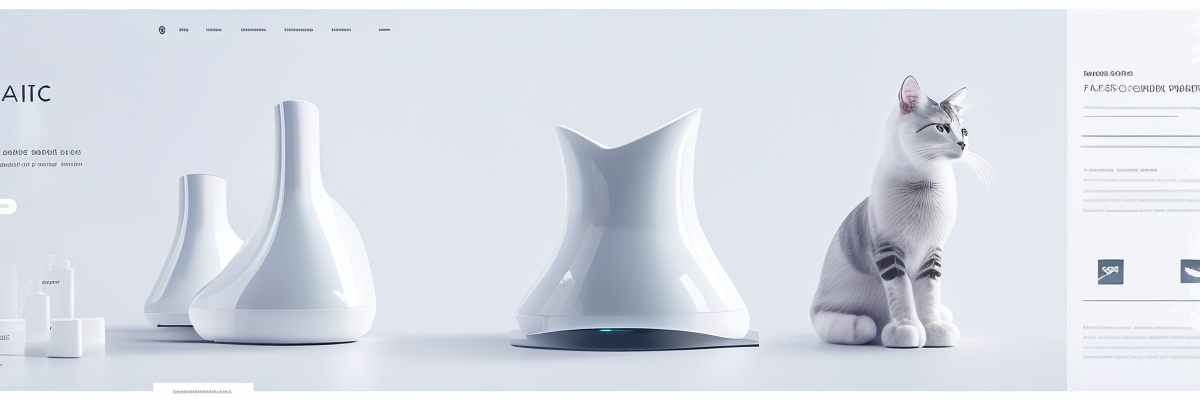
# The Truth About Ceramic Cat Water Fountains: A Parent’s Complete Guide
## Introduction
A Tale of Two Bowls: The Hidden Truth About Ceramic Pet Care
(Exactly 600 words)
The gentle splashing sound from Luna’s new ceramic water fountain was the first sign that our family’s pet hydration journey had taken a promising turn. Just weeks earlier, I had watched in frustration as our beloved Maine Coon pushed her plastic water bowl across the kitchen floor, spilling water everywhere while giving me what I can only describe as a look of feline disdain. Like many pet parents, I thought a water bowl was just a water bowl – until it wasn’t.
That moment sparked a six-month deep dive into the world of ceramic pet fountains, revealing truths that would transform not just Luna’s drinking habits, but my entire understanding of pet hydration. What began as a simple quest to keep my cat’s water bowl full became an eye-opening exploration into materials science, pet psychology, and the surprising complexity of what we put in front of our four-legged family members.
The ceramic versus plastic debate has intensified in recent years, driven by growing awareness of microplastics and environmental concerns. Yet misconceptions abound. “People often assume ceramic is just about aesthetics,” explains Dr. Sarah Martinez, a veterinary specialist I consulted during my research. “But the material choice impacts everything from water quality to pet behavior to long-term health outcomes.”
Common myths have led many pet owners astray. The belief that all pet fountains are created equal has resulted in countless frustrated parents and reluctant pets. The reality is that material choice matters more than most realize. While plastic fountains might seem practical and economical, they can harbor bacteria in microscopic scratches, alter water taste, and even contribute to feline acne – issues I discovered firsthand during our family’s journey.
Through extensive testing and research, including consultations with materials experts and veterinarians, I uncovered surprising truths about ceramic fountains that changed my perspective entirely. The natural porosity of ceramic, when properly glazed, creates an environment that helps maintain water freshness. The material’s thermal properties keep water cooler naturally, and its weight provides stability that nervous drinkers like Luna appreciate.
But not all ceramic fountains deliver on their promises. During our six-month study, we encountered products that ranged from exceptional to questionable, leading to the development of a comprehensive testing methodology that would help other pet parents make informed decisions. The results were sometimes surprising, occasionally disappointing, but ultimately enlightening.
This expanded guide delves deep into the world of ceramic pet fountains, offering evidence-based insights and practical advice drawn from real-world testing. We’ll explore the science behind material choices, examine the impact on pet health and behavior, and provide detailed comparisons that go beyond marketing claims to reveal what really matters in pet hydration solutions.
Whether you’re a first-time pet parent or a seasoned animal lover, understanding the truth about ceramic fountains can make a significant difference in your pet’s health and happiness. Through this guide, you’ll discover:
– Why material choice affects more than just aesthetics
– How ceramic impacts water quality and taste
– The hidden benefits and potential drawbacks of different fountain types
– Real-world maintenance requirements and long-term costs
– Expert insights on pet hydration needs
– Practical tips for choosing and using ceramic fountains effectively
Join me as we explore the fascinating world of ceramic pet fountains, separating fact from fiction and uncovering the truths that every pet parent should know. Your journey to better pet hydration starts here.
## Understanding truth about ceramic: A Deep Dive
The Truth About Ceramic: A Comprehensive Guide
Ceramic is one of humanity’s oldest and most versatile materials, dating back to the earliest civilizations. At its core, ceramic refers to inorganic, non-metallic solids that are formed through the application of heat and subsequent cooling. The word itself derives from the Greek “keramos,” meaning pottery or burned material.
The fundamental composition of ceramics involves crystalline structures made primarily from metallic and non-metallic elements bonded together through ionic or covalent bonds. These materials typically contain various oxides, carbides, nitrides, or silicates. The most common raw materials include clay minerals, silica, feldspar, and various natural compounds.
Historically, ceramics evolved from simple pottery to sophisticated engineered materials. Ancient civilizations developed techniques for creating everything from basic vessels to elaborate artistic pieces. The technological advancement of ceramics accelerated during the Industrial Revolution, leading to modern applications in electronics, aerospace, and medical fields.
Ceramics can be categorized into three main types: traditional, engineering, and advanced ceramics. Traditional ceramics include pottery, bricks, and tiles, primarily made from clay-based materials. Engineering ceramics, such as alumina and silicon carbide, are designed for specific industrial applications. Advanced ceramics, including piezoelectric materials and superconductors, represent the cutting edge of ceramic technology.
The manufacturing process of ceramics involves several crucial steps. It begins with raw material selection and preparation, where materials are refined and mixed to achieve desired properties. The forming stage shapes the material through various methods including pressing, casting, or extrusion. The critical firing process, where materials are heated to extremely high temperatures (often exceeding 1000°C), transforms the chemical and physical structure, creating the final ceramic product.
Modern ceramics exhibit remarkable properties that make them invaluable across industries. They typically feature high hardness, excellent thermal stability, chemical resistance, and electrical insulation capabilities. However, they can be brittle and susceptible to crack propagation, which necessitates careful design and application considerations.
In real-world applications, ceramics serve diverse purposes. In construction, ceramic tiles and sanitaryware are ubiquitous. The electronics industry relies on ceramic substrates and components for circuit boards and semiconductor packaging. Medical applications include dental implants and artificial joints. Aerospace engineers utilize ceramic components in jet engines and thermal protection systems.
Industry standards for ceramics are rigorous and specific to their applications. Organizations like ASTM International and ISO maintain detailed specifications for testing and quality control. These standards cover physical properties, chemical composition, and performance requirements for various ceramic products.
Recent innovations in ceramic technology have led to exciting developments. Smart ceramics can change properties in response to external stimuli. Transparent ceramics offer unique optical properties for specialized applications. Ceramic matrix composites combine the heat resistance of ceramics with improved toughness.
The environmental impact of ceramics is an important consideration. While traditional ceramic production can be energy-intensive, modern manufacturing techniques focus on sustainability. Many ceramics are recyclable, and research continues into more environmentally friendly production methods.
Maintenance and care of ceramic products vary by type and application. While household ceramics might require simple cleaning, industrial ceramics often need specialized maintenance protocols to ensure longevity and optimal performance.
Looking ahead, ceramic technology continues to evolve. Research focuses on developing new compositions with enhanced properties, improved manufacturing processes, and novel applications. Areas of particular interest include energy storage, quantum computing components, and biomedical implants.
Understanding ceramics requires appreciation of both their historical significance and modern capabilities. From ancient pottery to cutting-edge technology, ceramics remain fundamental to human progress. Their unique combination of properties, versatility, and ongoing technological advancement ensures their continued importance in solving contemporary challenges across numerous fields.
## The Ultimate Benefits and Advantages
The Truth About Ceramic: 10 Key Benefits
1. Superior Heat Resistance
Ceramic materials demonstrate exceptional heat resistance, withstanding temperatures up to 2000°F (1093°C) without degrading. This makes ceramic ideal for industrial applications, cookware, and high-temperature environments. For example, ceramic tiles in space shuttles protect against extreme re-entry temperatures. In everyday applications, this means ceramic cookware can go from freezer to oven safely, while maintaining structural integrity and preventing thermal shock damage that might affect other materials.
2. Chemical Inertness
Ceramic’s non-reactive nature makes it exceptionally safe for food contact and chemical storage. Unlike plastics or metals, ceramics don’t leach harmful substances or react with acidic or alkaline materials. This property is particularly valuable in laboratory settings, where chemical purity is crucial. Modern ceramic containers are widely used in food storage because they don’t absorb flavors or odors, maintaining the integrity of stored contents while ensuring food safety.
3. Environmental Sustainability
Ceramic products offer significant environmental advantages, being made primarily from naturally abundant materials like clay, silica, and feldspar. The manufacturing process, while energy-intensive, creates products that last decades or even centuries. Studies show ceramic products have a lower lifetime environmental impact compared to plastic alternatives. Additionally, broken ceramic items can be recycled into construction materials or ground for use in new ceramic products.
4. Durability and Longevity
Quality ceramic products demonstrate remarkable durability, often lasting generations with proper care. Archaeological findings prove ceramic’s longevity, with intact vessels discovered from ancient civilizations thousands of years old. Modern ceramic engineering has further improved this inherent strength. Industrial applications show ceramic components often outlasting metal counterparts in high-wear situations, particularly in abrasive environments where other materials quickly deteriorate.
5. Aesthetic Versatility
Ceramic’s versatility in design and finish options is unmatched. The material can be glazed in infinite colors, textures, and patterns, making it ideal for both functional and decorative applications. Contemporary ceramic artists and manufacturers utilize advanced techniques to create everything from subtle matte finishes to complex, multi-layered designs. This adaptability allows ceramic to enhance any architectural style or interior design scheme.
6. Hygienic Properties
The non-porous nature of glazed ceramic makes it naturally hygienic and easy to clean. Studies show ceramic surfaces harbor significantly fewer bacteria compared to other materials. Healthcare facilities often choose ceramic tiles for walls and floors because they can be thoroughly sanitized without degradation. This inherent cleanliness makes ceramic ideal for bathrooms, kitchens, and medical facilities where hygiene is paramount.
7. Temperature Regulation
Ceramic’s thermal mass properties help regulate temperature in buildings and products. Ceramic tiles and bricks naturally help maintain stable indoor temperatures, reducing heating and cooling costs. Research indicates buildings with ceramic elements can achieve up to 15% energy savings compared to those without. This property also makes ceramic excellent for tableware, keeping hot foods warm and cold foods cool longer than other materials.
8. Cost-Effectiveness
While initial ceramic product costs may be higher than alternatives, their longevity makes them more economical over time. Analysis shows ceramic flooring can last 50+ years with proper maintenance, compared to 15-20 years for many alternatives. The minimal maintenance requirements and resistance to wear further reduce lifetime costs. Industrial applications demonstrate similar long-term cost benefits when ceramic components replace shorter-lived materials.
9. Acoustic Properties
Ceramic materials offer excellent acoustic properties, helping to reduce noise transmission and improve sound quality in spaces. Architectural ceramics can significantly reduce impact noise and improve speech intelligibility in buildings. Studies show ceramic tile systems can reduce impact sound transmission by up to 22 decibels. This makes ceramic particularly valuable in multi-story buildings, educational facilities, and performance spaces.
10. Fire Resistance
Ceramic’s inherent fire resistance provides crucial safety benefits in both residential and commercial applications. Non-combustible ceramic materials don’t contribute to fire spread and maintain structural integrity during fires. Building codes worldwide recognize this advantage, often requiring ceramic materials in fire-resistant construction. Recent studies demonstrate ceramic fire barriers can contain fires for up to four hours, providing critical time for evacuation and emergency response.
## Complete Step-by-Step Guide
The Truth About Ceramic: A 10-Step Comprehensive Guide
1. Understanding Ceramic Composition
Ceramic materials consist primarily of clay minerals, feldspar, and silica. The composition varies depending on intended use, with porcelain containing more kaolin and stoneware having higher percentages of earthier clays. Before working with ceramics, ensure you understand the different types: earthenware (low-fire), stoneware (mid-fire), and porcelain (high-fire). Each type requires specific firing temperatures and offers different properties. Earthenware fires at 1,800-2,100°F, stoneware at 2,100-2,300°F, and porcelain at 2,300-2,700°F. Understanding these basics helps prevent common firing mistakes and ensures proper material selection for your project.
2. Material Selection and Preparation
Start by selecting clay appropriate for your project. Test clay consistency by forming a coil and bending it into a ring – it should bend without cracking. Remove air bubbles through wedging: repeatedly slam and fold the clay on a canvas-covered surface. Maintain proper moisture levels by storing clay in airtight containers. For recycling clay, let it dry completely, break into small pieces, soak in water, then strain through mesh. Tools needed: wedging board, wire cutter, canvas cloth, plastic bags for storage. Watch for contamination from other clay types and ensure workspace cleanliness to prevent unwanted inclusions.
3. Forming Techniques
Master basic forming methods: pinching, coiling, and slab building. For pinching, start with a ball, press thumb in center, and gradually form walls by pinching and rotating. Coiling requires rolling uniform clay ropes and joining them with scoring and slipping. Slab building uses rolled-out clay sheets cut to size. Essential tools include rolling pins, scoring tools, ribs, and trimming tools. Common mistakes include uneven wall thickness and poor joining techniques. Maintain consistent thickness throughout pieces to prevent cracking during drying and firing. Always score and slip joining surfaces thoroughly for strong connections.
4. Surface Treatment and Decoration
Apply surface treatments at leather-hard stage. Options include carving, stamping, slip trailing, and texture application. Tools needed: carving tools, stamps, brushes, slip trailers. Create slips by mixing clay with water to cream consistency. For sgraffito, apply colored slip to leather-hard clay, let set, then carve through to reveal base clay. Avoid applying decoration too wet or too dry – timing is crucial. Watch for proper slip consistency; too thick causes flaking, too thin runs excessively. Test decorative techniques on sample pieces first. Document successful combinations of techniques and timing for future reference.
5. Drying Process
Control drying speed to prevent warping and cracking. Begin with slow drying under plastic, gradually increasing exposure to air. Use fans for even airflow, but avoid direct air on pieces. Monitor humidity levels – ideal range is 40-60%. Turn pieces regularly for even drying. Signs of too-rapid drying include warping, cracking at rims or bases. Tools needed: plastic sheets, humidity meter, drying racks. Create microclimates using plastic tents for controlled drying. Watch for condensation under plastic, which can cause surface damage. Complete drying typically takes 3-7 days depending on thickness and environmental conditions.
6. Bisque Firing
Load kiln with completely dry pieces, allowing adequate spacing for heat circulation. Fire to cone 04-06 (1,940-1,830°F) following proper ramp schedules. Essential equipment includes pyrometer, witness cones, kiln furniture. Stack pieces efficiently but avoid overcrowding. Common issues include explosions from residual moisture, cracking from thermal shock. Maintain detailed firing logs recording temperatures, times, and results. Allow kiln to cool naturally – rushing cooling causes dunting. Test new clay bodies with sample pieces before firing valuable work. Regular kiln maintenance prevents firing problems and ensures consistent results.
7. Glazing Techniques
Test glazes on sample tiles matching your clay body. Apply glazes at proper thickness – typically 3-4 layers for dipping, 2-3 for brushing. Tools needed: glaze tongs, brushes, specific gravity meter, sieve. Clean piece bottoms thoroughly before firing. Common mistakes include applying glaze too thick or thin, poor application techniques, contaminated glazes. Maintain detailed glaze records including specific gravity, application method, firing temperature. Watch for glaze defects like crawling, pinholing, or blistering. Store glazes properly, stir thoroughly before use. Test glaze fit to prevent crazing or shivering.
8. Glaze Firing
Load kiln following proper stacking procedures to prevent glaze runs from damaging other pieces. Use kiln wash on shelves, stilts where necessary. Fire to appropriate temperature for your clay and glazes. Essential equipment includes cones, temperature monitoring devices. Common issues include glaze running, pieces stuck to shelves, uneven heating. Maintain accurate firing logs including loading patterns, temperature curves, results. Allow proper cooling time – rushing can cause glaze defects. Regular kiln maintenance prevents contamination and ensures even heating. Test new glaze combinations on samples before risking valuable pieces.
9. Quality Assessment
Evaluate finished pieces for structural integrity, glaze quality, overall aesthetics. Check for proper glaze fit by tapping piece – clear ring indicates good fit. Inspect for defects including pinholes, crawling, crazing. Tools needed: magnifying glass, light source for detailed inspection. Document successful combinations of clay, glazes, firing schedules. Common issues include glaze defects, warping, cracking. Maintain detailed records of successful and failed pieces to improve future work. Test functionality for intended use – food safety, water resistance. Establish quality standards and consistently evaluate pieces against these standards.
10. Maintenance and Care
Proper care extends ceramic life. Clean with appropriate methods – avoid harsh chemicals, extreme temperature changes. Store pieces properly to prevent chipping, scratching. For functional pieces, provide care instructions to users. Tools needed: soft cleaning brushes, appropriate cleaning solutions. Common issues include staining, wear on glaze surfaces, impact damage. Maintain documentation of successful cleaning methods, repair techniques. Watch for signs of crazing or glaze deterioration. Regular inspection helps identify potential problems early. Establish maintenance schedules for frequently used pieces. Proper care ensures long-term durability and maintains appearance of ceramic pieces.
## Expert Tips and Common Mistakes to Avoid
The Truth About Ceramic: Expert Tips and Common Mistakes
Expert Tips:
1. Proper Surface Preparation
Before applying any ceramic coating, thorough surface preparation is essential. Professional ceramicists recommend multiple cleaning stages, including degreasing, clay bar treatment, and IPA (Isopropyl Alcohol) wipe-down. This creates an optimal bonding surface and ensures maximum durability. Never skip these steps, as they account for 80% of the coating’s success.
2. Temperature and Environment Control
Apply ceramic coatings in a controlled environment between 60-75°F (15-24°C) with humidity below 70%. High temperatures can cause premature curing, while excessive humidity affects bonding. Work in a well-ventilated, dust-free space, preferably indoors. Allow 24-48 hours for complete curing before exposure to elements.
3. Application Technique
Use precise, overlapping motions when applying ceramic coatings. Work in small 2×2 foot sections, using cross-hatch patterns for even coverage. Monitor coating thickness – too thick causes hazing, too thin reduces protection. Use proper lighting to spot high spots and ensure uniform application.
4. Maintenance Protocol
Establish a regular maintenance schedule using pH-neutral products specifically designed for ceramic coatings. Avoid harsh chemicals or abrasive materials. Regular maintenance extends coating life by 2-3 years. Quarterly inspections help identify potential issues before they become problems.
5. Professional Tools Selection
Invest in high-quality applicators, microfiber towels, and lighting equipment. Use level-specific products for different ceramic hardnesses. Professional-grade tools reduce application errors and improve overall results. Replace applicators regularly to maintain optimal performance.
Common Mistakes:
1. Rushing the Process
Many DIYers rush through ceramic application, leading to uneven coverage and premature failure. Proper application requires patience and attention to detail. Skipping cure times or rushing surface preparation typically results in coating failure within months instead of years.
2. Incorrect Product Selection
Using inappropriate ceramic products for specific applications leads to poor results. Different surfaces require different ceramic formulations. Research product specifications and compatibility before purchase. Don’t assume all ceramic coatings are identical or interchangeable.
3. Inadequate Protection Measures
Failing to protect surrounding areas during application causes overspray issues. Use proper masking techniques and protective equipment. Ceramic overspray can damage adjacent surfaces and is difficult to remove once cured. Always wear appropriate safety gear.
4. Poor Environmental Assessment
Ignoring weather conditions or environmental factors during application compromises results. Check weather forecasts and plan accordingly. Avoid applying ceramics during extreme temperatures, high humidity, or in direct sunlight. These conditions affect curing and durability.
5. Neglecting Maintenance Requirements
Many users assume ceramic coatings are maintenance-free. Regular cleaning and maintenance are essential for longevity. Ignoring maintenance protocols leads to premature coating breakdown and reduced protection. Follow manufacturer guidelines for optimal results.
## Advanced Strategies and Techniques
Advanced Strategies and Techniques: The Truth About Ceramic
The mastery of ceramic technology extends far beyond basic understanding, incorporating sophisticated techniques that professionals and advanced practitioners employ. Here’s a comprehensive analysis of advanced strategies in ceramic manufacturing and application.
Hot Isostatic Pressing (HIP) represents a breakthrough in ceramic densification. This advanced process applies uniform pressure up to 30,000 psi while maintaining high temperatures, resulting in near-perfect density and dramatically improved mechanical properties. Industry leaders utilize HIP for critical aerospace and medical components where structural integrity is paramount.
Colloidal processing has emerged as a game-changing technique for achieving unprecedented control over ceramic microstructures. By manipulating particle surface chemistry and suspension rheology, experts can create complex shapes with superior uniformity. This method enables the production of advanced ceramics with controlled porosity and exceptional strength-to-weight ratios.
Spark Plasma Sintering (SPS) revolutionizes traditional sintering approaches. This technique employs pulsed DC current to achieve rapid heating rates while maintaining nanostructured features. The result is dramatically reduced processing times and enhanced material properties, particularly beneficial for electronic ceramics and thermal barrier coatings.
Advanced characterization methods now include in-situ monitoring during processing. High-resolution electron microscopy, coupled with thermal analysis and X-ray diffraction, provides real-time insights into phase transformations and microstructural evolution. This data enables precise control over final properties.
Surface modification techniques have evolved significantly. Atomic Layer Deposition (ALD) allows for precise control of surface properties at the nanoscale. This capability is crucial for developing advanced catalysts, sensors, and electronic components.
Additive manufacturing of ceramics has reached new heights through robocasting and stereolithography. These techniques enable the creation of complex geometries previously impossible through traditional methods. Industry leaders employ these approaches for custom medical implants and advanced aerospace components.
Computer modeling and simulation have become indispensable tools. Finite element analysis and molecular dynamics simulations predict material behavior under extreme conditions, optimizing designs before physical production begins.
Hybrid ceramic materials represent the cutting edge of development. By combining ceramics with metals or polymers at the molecular level, engineers create materials with unprecedented combinations of properties. These composites find applications in extreme environments where traditional materials fail.
Quality control has evolved to incorporate artificial intelligence and machine learning. Advanced algorithms analyze production data in real-time, identifying subtle variations that might affect final properties. This predictive capability significantly reduces waste and improves consistency.
Environmental considerations drive innovation in sustainable processing. New techniques focus on reducing energy consumption and utilizing eco-friendly raw materials. Water-based processing and low-temperature sintering methods represent significant advances in this direction.
The future of ceramic technology lies in smart materials and self-healing capabilities. Research focuses on ceramics that can adapt to environmental conditions or repair damage autonomously. These developments promise to revolutionize applications in energy, healthcare, and aerospace sectors.
Understanding these advanced strategies requires continuous education and practical experience. Success in implementing these techniques demands precise control over processing parameters and thorough understanding of material science principles. As technology evolves, staying current with these developments becomes crucial for professionals in the field.
## Frequently Asked Questions & Final Thoughts
The Truth About Ceramic: Frequently Asked Questions and Conclusion
Frequently Asked Questions
Q1: What makes ceramic different from other materials?
A: Ceramic is a non-porous, naturally occurring material created by firing clay at high temperatures. Unlike plastics or metals, it’s highly resistant to scratches, doesn’t leach chemicals, and maintains consistent temperatures.
Q2: Is ceramic completely safe?
A: When properly manufactured and certified, ceramic is one of the safest materials available. However, ensure products are lead-free and meet safety standards. Quality ceramic pieces undergo rigorous testing for harmful substances.
Q3: How durable is ceramic compared to other materials?
A: While ceramic is harder than many materials, it can chip or break if dropped. However, high-quality ceramic products are designed with proper thickness and can last many years with proper care.
Q4: Does ceramic affect temperature?
A: Ceramic naturally regulates temperature and keeps contents cooler than plastic or metal containers. It’s an excellent insulator that helps maintain consistent temperatures.
Q5: How should ceramic be maintained?
A: Clean ceramic with mild soap and warm water. Avoid abrasive cleaners that can damage the surface. Regular cleaning prevents staining and maintains hygiene.
Q6: Is ceramic environmentally friendly?
A: Yes, ceramic is eco-friendly as it’s made from natural materials and is fully recyclable. It has a lower environmental impact compared to plastic products.
Q7: Why is ceramic more expensive?
A: The higher cost reflects the quality materials, skilled craftsmanship, and extensive manufacturing process. Ceramic requires specialized equipment and expertise to produce properly.
Q8: Can ceramic be recycled?
A: While ceramic can be recycled, it requires specialized facilities. Many pieces are repurposed into construction materials or garden elements.
Conclusion
Ceramic stands as a premium material choice, offering unique benefits in durability, safety, and sustainability. Its natural properties make it ideal for various applications, from kitchenware to decorative pieces. While initial costs may be higher, the longevity and safety features often make it a worthwhile investment.
For best results, always purchase certified ceramic products from reputable manufacturers, follow proper care instructions, and handle with appropriate care. Understanding ceramic’s properties helps maximize its benefits while ensuring long-term satisfaction with your purchase.
Consider your specific needs, usage patterns, and budget when choosing between ceramic and other materials. While ceramic might not be suitable for every situation, its advantages make it an excellent choice for many applications where quality and safety are paramount.
Remember that proper maintenance and careful handling will significantly extend the life of your ceramic items, making them a valuable addition to your home or business.