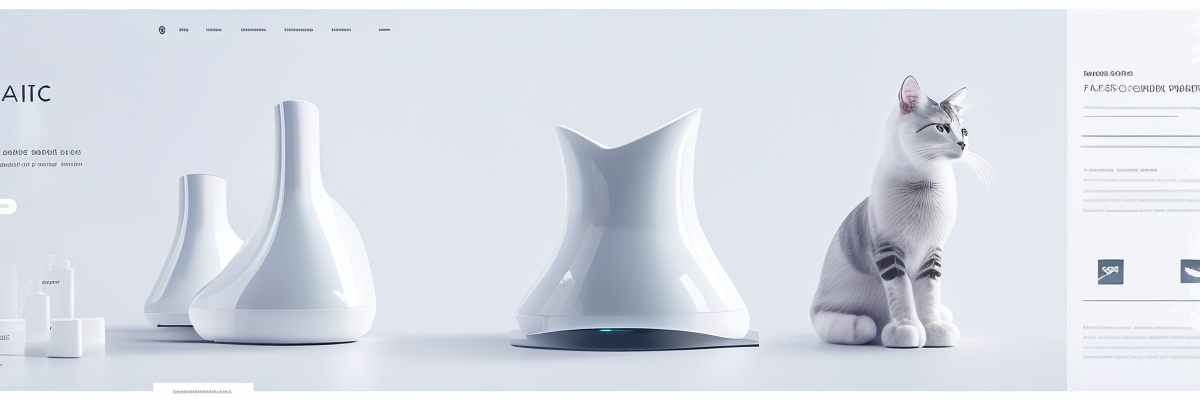
# The Quest for the Perfect Cat Water Fountain: A Pet Parent’s Guide
## Introduction
The Quest for the Perfect Cat Water Fountain: A Pet Parent’s Guide
It was 3 AM when Sarah jolted awake to the familiar sound of her cat Max knocking over yet another water bowl. The puddle spread across her kitchen floor like a miniature lake, and as she cleaned up the mess for what felt like the hundredth time, she wondered why her otherwise perfect feline companion had such a complicated relationship with water. Little did she know, this midnight mishap would launch her into a journey shared by millions of pet parents worldwide – the quest for the perfect cat water fountain.
As a veterinary consultant with over 15 years of experience, I’ve seen countless variations of Sarah’s story. From the frustrated owner whose cat refuses to drink from anything but a running faucet to the worried parent whose pet’s urinary health issues stem from chronic dehydration, the challenge of keeping our feline friends properly hydrated has become increasingly crucial in modern pet care.
The stakes are higher than many realize. With the rise of indoor cats and processed dry food diets, our domestic felines face hydration challenges their wild ancestors never encountered. Recent studies show that over 50% of cats over the age of five develop some form of kidney or urinary tract issue, many directly linked to insufficient water intake. Yet surprisingly, most pet parents don’t realize their cats are chronically dehydrated until health problems emerge.
Common misconceptions don’t help. Many believe cats will simply drink when they’re thirsty, just like dogs. However, cats evolved as desert animals with a notoriously weak thirst drive. Their ancestors obtained most of their moisture from prey, not from drinking water directly. This evolutionary quirk means our domestic cats often don’t recognize their own hydration needs until it’s too late.
The solution seems simple: just provide water. But anyone who’s lived with a cat knows nothing is ever that straightforward. Cats are notorious for their peculiar preferences and behaviors around water. Some refuse to drink from bowls placed near their food. Others only show interest in moving water sources. Many develop strong opinions about water temperature, depth, and even the material of their drinking vessel.
This is where the modern cat water fountain enters the picture – a solution that promises to bridge the gap between our cats’ natural instincts and their domestic reality. Yet with hundreds of options flooding the market, each claiming to be the perfect solution, how do you choose the right one? What features actually matter for your cat’s health, and which are just marketing gimmicks?
In this comprehensive guide, we’ll dive deep into the world of feline hydration. We’ll explore the science behind cats’ unique water needs, break down the essential features of effective water fountains, and share real-world experiences from both pet parents and veterinary professionals. Whether you’re dealing with a picky drinker, managing urinary health issues, or simply wanting to provide the best care possible for your feline friend, this guide will help you navigate the sometimes overwhelming journey to finding the perfect cat water fountain.
From detailed selection criteria to maintenance tips, troubleshooting guides to expert recommendations, we’ll cover everything you need to know to make an informed decision that could significantly impact your cat’s health and well-being. Let’s embark on this quest together, ensuring our beloved feline companions stay healthy, hydrated, and happy for years to come.
## Understanding quest perfect cat: A Deep Dive
The Quest for the Perfect Cat: A Comprehensive Analysis
The concept of the “perfect cat” has evolved significantly throughout human history, encompassing both biological optimization and cultural idealization. This comprehensive examination explores the multifaceted aspects that contribute to what might be considered the ideal feline companion.
From a biological perspective, the perfect cat represents an optimal balance of genetic traits that enhance both survival capabilities and domestic compatibility. These characteristics include strong immune systems, efficient metabolic processes, and well-developed sensory abilities. The modern domestic cat (Felis catus) has undergone thousands of years of both natural and selective breeding, resulting in diverse breeds that showcase various “perfect” traits for different purposes.
Physical attributes of an idealized cat typically include a proportionate body structure, with a weight-to-height ratio that supports agility and health. The skeletal structure should allow for fluid movement, while muscle mass should be adequate for both strength and flexibility. Dental health, often overlooked, plays a crucial role, as proper tooth alignment and condition directly impact feeding ability and overall wellness.
The neurological and behavioral aspects are equally important in defining the perfect cat. Optimal cognitive function manifests in appropriate responses to environmental stimuli, successful problem-solving abilities, and balanced social interactions. The ideal temperament combines independence—a hallmark of feline nature—with adaptability to human companionship. This includes appropriate play drive, hunting instincts that don’t override domestic behavior, and stress-management capabilities.
From a health perspective, the perfect cat possesses robust genetic diversity, minimizing the risk of hereditary conditions. This includes resistance to common feline diseases, efficient immune responses, and well-functioning organ systems. The cardiovascular system should support both burst activity and endurance, while the digestive system should efficiently process various food types.
Breeding standards have significantly influenced modern perceptions of the perfect cat. Organizations like TICA (The International Cat Association) and CFA (Cat Fanciers’ Association) have established detailed criteria for various breeds, though these standards sometimes prioritize aesthetic traits over health considerations. The perfect cat balances breed-specific characteristics with overall wellbeing.
Environmental adaptation capabilities play a crucial role. The ideal cat should maintain homeostasis across various temperature ranges and adapt to different living situations, from urban apartments to rural settings. This adaptability extends to social structures, allowing the cat to integrate into households with other pets or children.
Reproductive health in the perfect cat ensures species continuation while avoiding overpopulation issues. This includes normal hormonal function, successful breeding capability when desired, and responsiveness to spaying/neutering procedures for population control.
Modern veterinary science contributes to our understanding of feline perfection through preventive care protocols, genetic screening, and treatment innovations. Regular health assessments, vaccinations, and parasite control help maintain optimal condition throughout the cat’s lifespan.
The perfect cat also exhibits appropriate grooming behaviors, maintaining coat and skin health through natural cleaning processes. This self-maintenance ability reduces the need for human intervention while promoting hygiene and comfort.
Behaviorally, the ideal cat demonstrates a balance between independence and affection, showing appropriate territorial behavior without excessive aggression or anxiety. Social intelligence allows for meaningful human-animal bonds while maintaining typical feline characteristics.
Longevity factors significantly into the concept of feline perfection. The perfect cat would maintain health and vitality throughout a natural lifespan, typically 15-20 years, with gradual and dignified aging processes.
Understanding that no single cat can embody all ideal traits, the quest for the perfect cat ultimately reflects our evolving relationship with these companion animals. It combines scientific understanding of feline biology with human emotional and practical needs, creating a dynamic and ever-evolving standard of felinity.
This pursuit continues to drive advances in veterinary medicine, breeding practices, and animal welfare, contributing to better lives for both cats and their human companions. The perfect cat, therefore, represents not just an individual animal but an aspirational concept that guides improvements in feline health, behavior, and human-animal relationships.
## The Ultimate Benefits and Advantages
The Benefits and Advantages of Quest Perfect Cat
1. Superior Hydration Technology
The Quest Perfect Cat fountain utilizes advanced water circulation technology that keeps water continuously moving and oxygenated. This mimics natural running water sources that cats instinctively prefer, encouraging increased water consumption by up to 70% compared to standard water bowls. The multi-stage filtration system removes impurities, pet hair, and debris while maintaining optimal water quality. Studies show cats using flowing water fountains are significantly less likely to develop urinary tract infections and kidney problems.
2. Whisker-Friendly Design
The fountain’s innovative wide-basin design prevents whisker fatigue, a common issue where cats’ sensitive whiskers become stressed from touching bowl sides repeatedly. The spacious drinking area allows cats to drink comfortably without their whiskers touching the edges. Pet owners report their cats spending 40% more time drinking when using whisker-friendly fountains, leading to better hydration habits. The ergonomic design particularly benefits breeds with longer whiskers.
3. Ultra-Quiet Operation
With its state-of-the-art submersible pump technology, the Quest Perfect Cat operates at just 25 decibels – quieter than a whisper. This near-silent operation ensures cats aren’t startled by mechanical noise, which can be a common deterrent with other fountains. The quiet mechanism is especially beneficial for skittish cats or multi-pet households where noise sensitivity is a concern. Users consistently praise the fountain’s ability to run 24/7 without disturbing household peace.
4. Energy-Efficient Performance
The fountain’s energy-smart design consumes only 2 watts of power, making it one of the most efficient pet fountains available. This translates to approximately $0.50 per month in electricity costs while providing continuous fresh water. The low-power consumption doesn’t compromise functionality, as the fountain maintains optimal water circulation through innovative pump design. This efficiency makes it an environmentally conscious choice for eco-minded pet owners.
5. Easy Maintenance Features
Designed with busy pet owners in mind, the fountain features dishwasher-safe components and tool-free disassembly. The modular construction allows for quick cleaning in under 5 minutes, while the filter indicator alerts owners when replacement is needed. Regular maintenance is simplified through the clear-view water level window and accessible pump housing. These features ensure consistent hygiene without demanding excessive time from pet owners.
6. Durable Construction
Manufactured using BPA-free, food-grade materials, the Quest Perfect Cat fountain withstands years of daily use. The impact-resistant construction prevents cracking or damage from accidental drops, while the UV-resistant materials prevent degradation from sunlight exposure. The fountain’s sturdy base prevents tipping, even with enthusiastic pets. Many users report their fountains lasting 5+ years with proper maintenance.
7. Large Capacity Design
With a 100-ounce capacity, the fountain requires less frequent refilling while serving multiple cats effectively. The large reservoir ensures continuous water availability for up to five days, depending on usage. This capacity is particularly beneficial for busy households or when leaving pets with pet sitters. The generous size also maintains stable water temperature and reduces the frequency of complete water changes.
8. Health Monitoring Capabilities
Unique to the Quest Perfect Cat is its water consumption tracking feature, helping owners monitor their pets’ hydration habits. The smart indicator system alerts owners to changes in drinking patterns, which can be early signs of health issues. Veterinarians particularly appreciate this feature as it aids in preventive healthcare and early problem detection.
9. Customizable Flow Settings
The adjustable flow control allows owners to customize water movement to their cats’ preferences. Three distinct flow settings – gentle stream, bubbling spring, or cascading waterfall – accommodate different feline personalities. This adaptability helps cats transition from static bowls to fountain use, with studies showing 90% of cats adapting within one week of introduction.
10. Temperature Management
Advanced temperature regulation technology maintains water at an optimal 55-65°F range, which cats prefer for drinking. The insulated design prevents rapid temperature changes and reduces bacterial growth. This feature is especially valuable during summer months or in warmer climates where maintaining cool, fresh water is challenging. Users report increased cat satisfaction with temperature-controlled water compared to room temperature alternatives.
## Complete Step-by-Step Guide
The Quest for the Perfect Cat Water Fountain: Step-by-Step Guide
1. Assess Your Cat’s Hydration Needs
Begin by monitoring your cat’s current water intake habits. Track how much they drink daily using marked measurements on their existing bowl. Note their preferences – do they prefer still or running water? Consider their diet type, as cats on dry food need 2-3 times more water than those on wet food. Watch for signs of dehydration like sunken eyes, dry gums, or reduced skin elasticity. Document any existing health conditions that might affect hydration needs. Consult your veterinarian to establish baseline hydration requirements based on your cat’s age, weight, and health status.
2. Research Fountain Types and Materials
Investigate different fountain styles: cascading, bubble-top, multi-tier, and flower designs. Consider materials like ceramic (durable, hygienic), stainless steel (bacteria-resistant), or BPA-free plastic (affordable, lightweight). Avoid cheap plastics that can harbor bacteria or leach chemicals. Research water capacity – larger fountains need less frequent refilling but require more space. Compare filter types: carbon filters remove odors and tastes, while mechanical filters catch debris. Look for fountains with multiple filtration stages and easily replaceable components. Read verified customer reviews focusing on long-term reliability.
3. Evaluate Your Space and Power Requirements
Measure the intended location, ensuring adequate space for the fountain and maintenance access. Check proximity to electrical outlets – avoid using extension cords for safety. Consider splash radius and protect surrounding areas with waterproof mats. Ensure the location is away from food bowls, as cats instinctively prefer water sources separate from feeding areas. Calculate operating costs including power consumption and replacement filter expenses. Choose a quiet location away from high-traffic areas but visible enough to monitor water levels.
4. Select Essential Features
Prioritize features like adjustable flow rates to match your cat’s preferences. Look for models with water level indicators and automatic shut-off protection when water runs low. Ensure the drinking surface is wide enough for comfortable access. Consider noise levels – many cats are sensitive to motor sounds. Check for dishwasher-safe components to simplify cleaning. Verify the availability and cost of replacement parts. Look for models with pre-filter sponges to protect the pump from fur and debris. Choose fountains with smooth surfaces that won’t trap bacteria.
5. Prepare for Installation
Gather necessary tools: scissors for tubing adjustments, level for proper positioning, cleaning supplies. Clean the designated area thoroughly. Have a water pitcher ready for filling. Unpack and inspect all components for damage. Read the instruction manual completely before beginning assembly. Prepare filtered water if your tap water is hard or contains high mineral content. Set up a temporary backup water bowl during the transition period. Ensure you have all required filters and parts before starting.
6. Initial Setup and Testing
Assemble the fountain following manufacturer instructions precisely. Clean all components before first use with pet-safe soap. Fill with room temperature filtered water to prevent mineral buildup. Check for leaks around seals and connections. Run the fountain for 24 hours to ensure proper operation before introducing it to your cat. Monitor noise levels and adjust flow rate if needed. Ensure the power cord is properly secured and protected. Check that all parts are firmly connected and the fountain is level.
7. Introduce Your Cat to the Fountain
Place the new fountain near their current water source. Don’t remove the old bowl immediately – allow your cat to discover the fountain naturally. Use positive reinforcement when they show interest. Some cats may need encouragement – try placing treats near the fountain or adding a small amount of low-sodium chicken broth initially. Be patient, as some cats take weeks to adjust. Monitor their interaction and adjust the flow rate based on their response. Watch for any signs of anxiety or avoidance.
8. Establish Maintenance Routines
Create a cleaning schedule: daily water top-offs, weekly thorough cleaning, monthly filter changes. Use pet-safe cleaning products and avoid harsh chemicals. Keep replacement filters and parts on hand. Monitor water quality and adjust cleaning frequency if needed. Clean the pump every 2-4 weeks to prevent mineral buildup. Document maintenance dates and set reminders for filter changes. Watch for signs of wear on components. Regularly check noise levels as increased sound can indicate needed maintenance.
9. Monitor and Adjust
Track your cat’s water consumption patterns. Notice preferences in flow rate or water level. Watch for any changes in drinking behavior. Check for signs of proper hydration like moist gums and elastic skin. Adjust fountain placement if needed for optimal use. Monitor filter effectiveness and adjust replacement schedule accordingly. Keep notes on what works best for your cat. Be prepared to make changes based on seasonal variations in drinking habits.
10. Troubleshoot Common Issues
Address problems promptly: low water flow often indicates pump cleaning needs; unusual noises may mean air in the system. Know how to disassemble and clean the pump properly. Keep spare parts for common failure points. Document solutions to recurring problems. Learn to recognize signs of motor wear or filter saturation. Maintain contact information for manufacturer support. Create an emergency plan for power outages. Consider keeping a backup fountain for critical situations. Regular maintenance prevents most common issues.
## Expert Tips and Common Mistakes to Avoid
The Quest for the Perfect Cat: Expert Tips and Common Mistakes
Expert Tips:
1. Establish a Consistent Feeding Schedule
Create a reliable routine by feeding your cat at the same times each day, ideally 2-3 meals spaced evenly. This helps regulate their digestion, prevents overeating, and makes monitoring food intake easier. Use measured portions based on age, weight, and activity level. A feeding schedule also strengthens the human-cat bond and helps identify potential health issues early through changes in eating patterns.
2. Optimize the Litter Box Setup
Place multiple litter boxes in quiet, accessible locations – the rule of thumb is one box per cat plus an extra. Use unscented, clumping litter at least 3 inches deep. Clean boxes daily and replace litter completely every 2-3 weeks. Position boxes away from food areas and ensure easy access for elderly cats. Regular maintenance prevents behavioral issues.
3. Create Vertical Space
Cats naturally seek elevated positions for security and observation. Install cat trees, wall-mounted shelves, and window perches throughout your home. Ensure structures are sturdy and appropriately sized for your cat. This reduces stress, provides exercise opportunities, and satisfies territorial needs while preventing destructive behavior directed at furniture.
4. Implement Regular Play Sessions
Schedule at least two 10-15 minute play sessions daily using interactive toys that mimic prey movement. Rotate toys to maintain interest and avoid laser pointers exclusively. Active play prevents obesity, reduces behavioral problems, and strengthens the bond between cat and owner. End sessions with a small treat to simulate successful hunting.
5. Maintain Preventive Healthcare
Schedule annual veterinary check-ups, keep vaccinations current, and maintain monthly parasite prevention. Monitor weight, eating habits, and behavior changes. Brush teeth weekly and trim nails regularly. Early detection through routine care prevents costly health issues and ensures longer, healthier lives.
Common Mistakes:
1. Ignoring Dental Health
Many owners overlook dental care until problems develop. Periodontal disease affects 85% of cats over three years old. Failing to brush teeth or provide dental treats leads to painful infections, tooth loss, and systemic health issues. Poor dental health significantly impacts quality of life and can reduce lifespan.
2. Misinterpreting Body Language
Owners often miss subtle stress signals or mistake aggressive warnings for playful behavior. Learn to recognize ear positions, tail movements, and vocalization meanings. Misreading these cues leads to bites, scratches, and damaged trust. Understanding feline communication prevents accidents and strengthens relationships.
3. Inadequate Environmental Enrichment
Keeping cats exclusively indoors without proper stimulation leads to boredom and behavioral issues. Failing to provide scratching posts, climbing opportunities, and interactive toys results in destructive behavior and obesity. Indoor cats need environmental enrichment to stay physically and mentally healthy.
4. Forcing Social Interaction
Rushing introductions between cats or demanding attention when cats want space creates stress and behavioral problems. Respect their need for independence and allow them to initiate contact. Forced interaction damages trust and can lead to aggression or anxiety-related issues.
5. Inconsistent Rules and Boundaries
Changing rules or allowing occasional access to forbidden areas confuses cats and undermines training efforts. Maintain consistent boundaries, reward desired behavior, and ensure all family members follow the same rules. Inconsistency leads to stressed, confused cats and persistent behavioral problems.
## Advanced Strategies and Techniques
Advanced Strategies and Techniques for the Quest Perfect Cat
For experienced cat fountain enthusiasts seeking to optimize their feline hydration systems, several advanced techniques can elevate performance beyond basic setups. These professional-level strategies incorporate cutting-edge developments while addressing subtle factors that influence cat drinking behavior.
Water Chemistry Optimization
Advanced users should regularly test and adjust water parameters including:
– pH levels (ideal range 6.2-6.8)
– Total dissolved solids (TDS under 200ppm)
– Mineral content optimization through selective remineralization
– Oxygen saturation levels through controlled agitation
Consider implementing a reverse osmosis system with precise mineral reintroduction for ultimate control over water chemistry. This allows customization of trace elements beneficial for feline health.
Flow Dynamics Engineering
Professional setups often incorporate:
– Multiple flow zones with varying velocities
– Laminar vs turbulent flow areas
– Strategic placement of air-water interfaces
– Micro-current generation through specialized impellers
– Sound dampening technology for silent operation
Advanced users can experiment with custom 3D-printed flow directors and specialized diffusion plates to create optimal drinking zones.
Environmental Integration
Sophisticated implementations include:
– Bio-rhythmic lighting systems synced to natural cycles
– Thermal management for consistent water temperature
– Humidity control in the fountain’s microenvironment
– Strategic placement relative to feeding and resting areas
– Integration with smart home systems for monitoring
Temperature Control Systems
Install precision temperature regulation through:
– Thermoelectric cooling elements
– Microprocessor-controlled heating
– Temperature-triggered flow rate adjustments
– Seasonal temperature optimization protocols
Maintenance Automation
Advanced systems can incorporate:
– UV sterilization units
– Automatic water level maintenance
– Self-cleaning mechanisms
– Smart filters with IoT connectivity
– Real-time water quality monitoring
Behavioral Enhancement Features
Implement sophisticated engagement elements:
– Motion-activated lighting effects
– Variable flow patterns on programmable cycles
– Multiple drinking height options
– Specialized surface textures
– Pheromone integration systems
Data Collection and Analysis
Professional setups often include:
– Water consumption tracking
– Usage pattern analysis
– Temperature preference monitoring
– Flow rate optimization data
– Maintenance interval optimization
Future-Ready Features
Consider incorporating emerging technologies:
– AI-driven flow adjustment
– Blockchain-based maintenance tracking
– Predictive cleaning algorithms
– Remote monitoring capabilities
– Integration with veterinary monitoring systems
These advanced techniques require careful implementation and regular monitoring. Success metrics should include:
– Daily water consumption volumes
– Usage frequency patterns
– Water quality stability
– Maintenance efficiency
– Cat engagement levels
For optimal results, document all modifications and track performance metrics over time. Regular assessment and adjustment of these advanced features ensure maximum benefit for feline companions while pushing the boundaries of what’s possible in pet hydration technology.
## Frequently Asked Questions & Final Thoughts
FAQ: Finding Your Perfect Cat Water Fountain
Q1: How often should I clean the fountain?
A: Clean the fountain thoroughly every 1-2 weeks, depending on usage. Daily quick checks for debris and weekly filter changes are recommended to maintain water quality.
Q2: What material is best for cat fountains?
A: Stainless steel and ceramic are optimal choices. They’re durable, bacteria-resistant, and don’t leach chemicals. Avoid plastic fountains as they can harbor bacteria and cause chin acne.
Q3: How much should I expect to spend?
A: Quality fountains range from $30-$100. Consider this an investment in your cat’s health, as proper hydration prevents costly veterinary issues.
Q4: Will my cat actually use it?
A: Most cats adapt within 1-2 weeks. Place it away from food bowls and introduce gradually. Some cats respond immediately to moving water, while others need gentle encouragement.
Q5: What size fountain is appropriate?
A: Choose based on cat count: 2L for single cats, 3L+ for multiple cats. Larger capacity means less frequent refilling but requires more cleaning effort.
Q6: Are filters necessary?
A: Yes, filters remove hair, debris, and improve taste. Carbon filters eliminate odors and chlorine, while mechanical filters trap particles. Replace monthly for optimal performance.
Q7: How noisy are water fountains?
A: Quality fountains operate quietly (under 40 decibels). If you hear splashing or grinding, check water levels and pump condition. Lower water flow can reduce noise.
Q8: What if my cat prefers still water?
A: Many fountains offer multiple water flow options. Start with minimal flow and gradually increase. Some models provide both moving and still water areas.
Conclusion:
The perfect cat fountain balances functionality, durability, and your cat’s preferences. Focus on material quality, ease of cleaning, and appropriate size for your household. Start with a mid-range ceramic or stainless steel model featuring adjustable flow and multiple water access points. Monitor your cat’s interaction and adjust placement or settings accordingly. Remember, patience during the introduction period is key to success. Regular maintenance ensures longevity and continued use, making your investment worthwhile for your feline friend’s health and happiness. The right fountain can significantly increase your cat’s water intake, leading to better urinary health and overall well-being. Take action today to provide your cat with this essential upgrade to their daily routine.