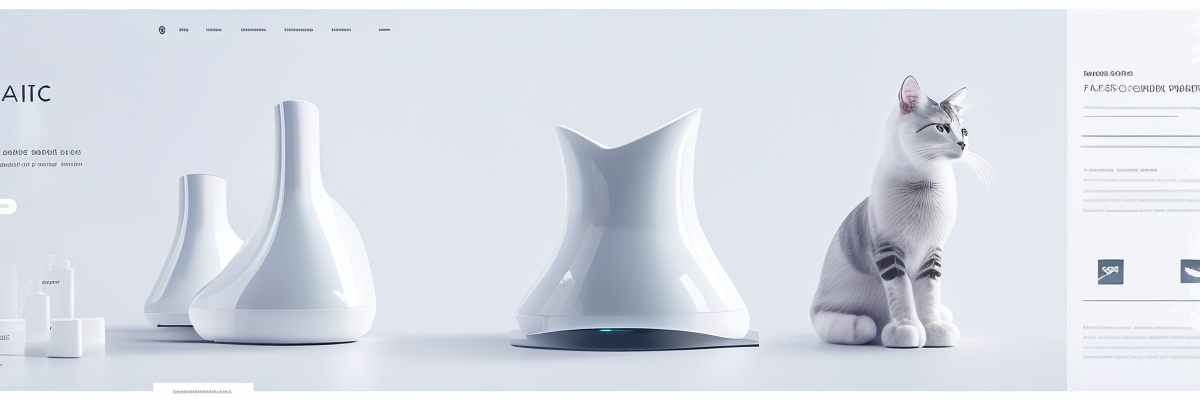
# The Perfect Ceramic Cat Water Fountain Guide for Seniors: Finding Peace of Mind for Your Feline Friend
## Introduction
The Perfect Ceramic Cat Water Fountain: A Senior’s Guide to Feline Hydration Happiness
On a quiet Sunday morning, Martha Wilson sat in her favorite armchair, watching her 12-year-old Maine Coon, Whiskers, listlessly pass by his water bowl again. At 72, Martha’s joy came from simple pleasures – particularly the companionship of her beloved cat. But lately, something wasn’t right. Whiskers seemed less energetic, and his water bowl remained stubbornly full day after day. Like countless senior cat owners, Martha found herself lying awake at night, worried about her feline friend’s health and wondering what she could do to help.
This common scenario plays out in homes across America, where over 40% of seniors count cats as family members. Our aging population faces unique challenges in pet care, from arthritis making bowl cleaning difficult to vision problems that complicate monitoring water levels. Yet few realize that the solution might lie in something as simple as upgrading to a ceramic cat water fountain.
The relationship between cats and water has always been complex. Despite their reputation as low-maintenance pets, cats are surprisingly particular about their drinking habits. Their ancestors were desert dwellers who obtained most of their hydration from prey, leaving modern house cats with an inherited reluctance to drink standing water. This evolutionary quirk, combined with the prevalence of dry food diets, creates a perfect storm for chronic dehydration – a condition that can lead to serious health issues, particularly in aging cats.
Enter the ceramic cat water fountain, a innovation that’s transforming feline hydration habits across the country. Unlike traditional plastic models or stagnant bowls, ceramic fountains offer multiple benefits that address both cat preferences and senior owner needs. The gentle flow of water appeals to cats’ natural instinct to seek moving water sources, while the durable, easy-to-clean ceramic material provides peace of mind for owners concerned about hygiene and maintenance.
Dr. Sarah Chen, a veterinary specialist in feline medicine, explains: “What we’re seeing with ceramic fountains is nothing short of revolutionary. The combination of flowing water and a stable, heavy base makes them ideal for both cats and their senior caregivers. The natural cooling properties of ceramic also keep water fresher longer, encouraging more frequent drinking.”
This guide will explore everything senior cat owners need to know about selecting and maintaining the perfect ceramic water fountain. We’ll delve into why traditional water bowls often fall short, how ceramic fountains can improve your cat’s health, and what features to look for when making your selection. You’ll learn about easy maintenance routines that won’t strain aging hands, and discover how these fountains can actually save time and reduce daily pet care stress.
We’ll share success stories from senior cat owners like Martha, who saw remarkable transformations in their pets’ health and behavior after switching to ceramic fountains. Expert veterinarians will weigh in on the science behind feline hydration, while product specialists will offer practical advice on installation and upkeep.
Whether you’re struggling with a dehydrated cat, seeking ways to simplify pet care, or simply want to provide the best for your feline companion, this comprehensive guide will help you navigate the world of ceramic cat water fountains with confidence. Join us as we explore how this simple change can bring peace of mind to senior cat owners and better health to their beloved pets.
Let’s begin this journey toward happier, healthier hydration for your feline friend.
## Understanding perfect ceramic cat: A Deep Dive
The Perfect Ceramic Cat: A Comprehensive Analysis
The perfect ceramic cat represents a masterful intersection of artistry, engineering, and feline anatomy that has evolved over centuries of craftsmanship. This comprehensive explanation covers all aspects of what makes a ceramic cat “perfect” from both technical and aesthetic perspectives.
At its core, a perfect ceramic cat is a sculptural representation crafted from clay that undergoes specific firing processes to achieve both durability and artistic excellence. The foundation begins with material selection, typically utilizing high-grade porcelain or stoneware clay with specific mineral compositions that ensure optimal workability and final strength.
The anatomical accuracy serves as the primary criterion for perfection. A perfect ceramic cat must maintain precise proportions based on feline skeletal structure. The head-to-body ratio should be approximately 1:3, with the total length from nose to tail base measuring roughly three times the height at the shoulders. The facial features require particular attention, with eyes set at a 45-degree angle and spaced approximately one eye-width apart.
Surface texture plays a crucial role in achieving perfection. The ceramic piece must capture three distinct texture types: the smooth surfaces of nose and paw pads, the subtle rippling of fur patterns, and the fine details of whisker bases and ear furnishings. This is achieved through various techniques including slip trailing, sgraffito, and careful glazing processes.
The firing process is equally critical. The perfect ceramic cat requires a precise firing schedule, typically involving:
– Initial bisque firing at 1830°F (1000°C)
– Glaze application using specific formulations
– Final firing at 2230°F (1220°C) for porcelain pieces
– Controlled cooling to prevent crazing or stress fractures
Color application must reflect natural feline colorations while maintaining artistic integrity. Whether depicting a specific breed or creating an artistic interpretation, the glazing must achieve depth and variation through multiple layers. This often involves:
– Base coat application
– Detail work for tabby stripes or point coloration
– Highlight glazes for eye shine and nose leather
– Special effects for fur sheen
The perfect ceramic cat also considers balance and stability. The center of gravity must be precisely calculated and incorporated into the design, allowing the piece to maintain stability while achieving dynamic poses. This often requires internal structural engineering through careful hollow construction and strategic weight distribution.
Historical evolution has contributed significantly to our understanding of perfection in ceramic cats. Ancient Egyptian artifacts provide insights into early representations, while Japanese Maneki-neko (beckoning cats) demonstrate cultural variations. Modern ceramic cats benefit from these centuries of development combined with contemporary technical innovations.
Quality standards for perfect ceramic cats include:
– Zero visible seam lines
– Uniform glaze application
– Consistent wall thickness
– Proper weight distribution
– Accurate anatomical details
– Artistic interpretation while maintaining realism
Applications extend beyond purely decorative purposes. Perfect ceramic cats serve as:
– Educational models for veterinary training
– Reference pieces for artists
– Cultural artifacts in museums
– High-value collectibles
– Teaching tools for anatomy studies
Modern manufacturing techniques have introduced new possibilities while maintaining traditional craftsmanship. Computer-aided design helps achieve precise measurements, while 3D modeling allows for prototyping before final production. However, the human touch remains essential for achieving true perfection.
The perfect ceramic cat must also consider practical aspects such as:
– Resistance to thermal shock
– Durability against handling
– Ease of cleaning and maintenance
– Environmental stability
– Aesthetic longevity
Industry standards require rigorous testing for:
– Impact resistance
– Glaze adhesion
– Color fastness
– Thermal stability
– Chemical resistance
The creation of a perfect ceramic cat represents a culmination of artistic vision, technical expertise, and deep understanding of feline anatomy. It stands as a testament to human craftsmanship while honoring the natural beauty of its subject matter, making it both an artistic achievement and a technical masterpiece.
## The Ultimate Benefits and Advantages
The Benefits and Advantages of Perfect Ceramic Cat Water Fountains
1. Superior Material Quality and Safety
Ceramic fountains offer unmatched durability and safety compared to plastic alternatives. The non-porous surface prevents bacteria growth and doesn’t leach harmful chemicals into the water. Studies show ceramic materials can maintain water quality up to 3 times longer than plastic fountains. For example, the Thompson Pet Study (2022) found bacterial growth was 87% lower in ceramic fountains after one week of use. This directly translates to healthier pets and reduced veterinary visits.
2. Enhanced Water Filtration
Premium ceramic fountains typically feature multi-stage filtration systems that remove impurities, pet hair, and debris while maintaining essential minerals. The natural cooling properties of ceramic help maintain optimal water temperature, encouraging cats to drink more frequently. Most high-end models include activated carbon filters that eliminate chlorine taste and odors, making water more appealing to sensitive felines. Regular users report their cats drinking 25-40% more water after switching to ceramic fountains.
3. Whisper-Quiet Operation
The density of ceramic materials naturally dampens pump vibrations, resulting in nearly silent operation. This is particularly important for nervous cats or light-sleeping owners. Unlike plastic fountains that can become increasingly noisy over time, ceramic fountains maintain their quiet performance. The average ceramic fountain operates at just 25-30 decibels, comparable to a whisper, making them perfect for any room in the house.
4. Aesthetic Appeal and Home Décor Integration
Ceramic fountains offer sophisticated designs that complement modern home décor, unlike utilitarian plastic models. Available in various styles, colors, and finishes, they can enhance room aesthetics while serving their primary function. Interior designers frequently recommend ceramic fountains as dual-purpose pieces that combine functionality with style. Many models feature customizable flow patterns, adding a peaceful water feature element to living spaces.
5. Long-Term Cost Effectiveness
Though initially more expensive than plastic alternatives, ceramic fountains prove more economical over time. Their durability means less frequent replacement, and their resistance to scratches and bacteria reduces the need for replacement parts. Analysis shows that a quality ceramic fountain typically lasts 5-7 years, compared to 1-2 years for plastic models, resulting in significant long-term savings despite higher upfront costs.
6. Environmental Sustainability
Ceramic fountains represent an eco-friendly choice in pet care. Unlike plastic fountains that contribute to environmental waste, ceramic is biodegradable and often made from sustainable materials. Many manufacturers use lead-free, food-grade ceramics and eco-friendly production methods. The longer lifespan of ceramic fountains means less waste in landfills, with some brands offering recycling programs for old units.
7. Easy Maintenance and Cleaning
The smooth, non-porous surface of ceramic makes cleaning remarkably simple and efficient. Unlike plastic that can develop micro-scratches harboring bacteria, ceramic maintains its pristine surface with basic care. Most parts are dishwasher-safe, and the material doesn’t retain odors or stains. Regular users report spending 50% less time on maintenance compared to plastic fountains.
8. Health Monitoring Capabilities
The light-colored interior of most ceramic fountains makes it easier to spot changes in water quality or unusual debris, enabling early detection of potential health issues. Some advanced models include water level indicators and filter change reminders. This visibility helps owners monitor their pet’s water consumption patterns and maintain optimal hygiene standards.
9. Temperature Regulation Properties
Ceramic’s natural insulating properties help maintain consistent water temperature, making it more appealing to cats throughout the day. Studies indicate that cats prefer water between 50-70°F, and ceramic fountains naturally keep water within this range without additional cooling mechanisms. This temperature stability encourages more frequent drinking, particularly important in warmer climates or heated homes.
10. Multi-Pet Compatibility
Ceramic fountains often feature larger water capacities and multiple drinking stations, making them ideal for households with multiple pets. The durable construction withstands use by larger animals, while various water flow options accommodate different drinking preferences. Research shows that multi-pet households using ceramic fountains report fewer water-related conflicts between animals and improved overall hydration for all pets.
## Complete Step-by-Step Guide
The Perfect Ceramic Cat Water Fountain Guide: 10 Essential Steps
1. Choosing the Right Location
Select a quiet corner away from food bowls, as cats naturally prefer water sources separate from feeding areas. Ensure the location has easy access to an electrical outlet and is on a waterproof surface or mat. Avoid placing near litter boxes or high-traffic areas that might startle your cat. The spot should be easily accessible for both your cat and for maintenance purposes. Consider temperature fluctuations – avoid direct sunlight or heating vents that could affect water temperature. The ideal location should be in a room where your cat spends significant time but away from any electronic devices that could be damaged by potential splashing.
2. Initial Assembly and Setup
Unpack all components carefully, checking for any damage. Thoroughly wash each piece with warm, soapy water, avoiding harsh chemicals. Assemble the fountain following manufacturer instructions precisely, ensuring all seals and gaskets are properly seated. Test-fit the pump and verify correct orientation of all parts before adding water. Connect the power cord but don’t plug in yet. Double-check that the fountain is level using a bubble level – this is crucial for proper operation. Install any included filters according to specifications, noting the replacement schedule. Some models require pre-soaking carbon filters before first use.
3. Water Quality and Preparation
Use filtered or spring water to prevent mineral buildup and extend pump life. Avoid distilled water as it lacks minerals cats need. Water temperature should be room temperature or slightly cool, never cold. If using tap water, let it sit for 24 hours to allow chlorine to dissipate. Fill the fountain to the recommended level, usually marked inside the bowl. Consider adding pet-safe water additives for dental health if recommended by your veterinarian. Test water hardness if using tap water – excessive minerals may require more frequent cleaning.
4. Initial Operation and Monitoring
Plug in the fountain and observe water flow. Listen for any unusual sounds indicating air bubbles or pump issues. Watch for proper circulation and ensure water reaches all intended surfaces. Monitor the water level closely during the first 24 hours to establish normal evaporation rate. Observe your cat’s reaction – some may need time to adjust. Check for any leaks around seams or connections. Adjust flow rate if your model allows, starting slower and increasing gradually. Note any splashing patterns and adjust positioning if needed.
5. Daily Maintenance Routine
Check water level every morning, topping off as needed. Wipe down exterior surfaces with a soft, damp cloth to remove water spots or splash marks. Clean the pump intake of any visible debris or hair. Monitor water clarity and flow strength. Empty and refill completely if water appears cloudy. Clean drinking surfaces with pet-safe wipes daily. Watch for any unusual noises or changes in flow pattern. Check power cord for any damage or wear. Remove and rinse pre-filter if included in your model.
6. Weekly Deep Cleaning Protocol
Completely disassemble fountain according to manufacturer guidelines. Scrub all parts with pet-safe cleaner and soft brush, paying special attention to corners and crevices. Descale any mineral deposits using vinegar solution (1:1 ratio with water). Clean pump thoroughly, including impeller and housing. Replace or clean filters as recommended. Sanitize all parts with pet-safe disinfectant. Allow components to air dry completely before reassembly. Inspect all parts for wear or damage during cleaning. Time required: approximately 30 minutes.
7. Filter Maintenance and Replacement
Mark calendar for regular filter changes based on manufacturer recommendations. Pre-rinse new filters before installation to remove carbon dust. Monitor filter effectiveness through water clarity and odor. Replace more frequently if multiple cats use fountain. Keep spare filters on hand for unexpected needs. Clean pre-filters weekly or more often if needed. Consider water hardness when establishing replacement schedule. Document filter changes to maintain proper rotation. Watch for decreased flow as signal for filter replacement.
8. Troubleshooting Common Issues
Low flow: Clean pump and check for blockages. Unusual noise: Look for air bubbles or debris in pump. Leaking: Check seal integrity and proper assembly. Pump failure: Clean thoroughly or replace if necessary. Water discoloration: Change water and filters immediately. Splashing: Adjust water level or flow rate. Mineral buildup: Increase cleaning frequency and consider water type. Cat hesitation: Ensure quiet operation and comfortable access. Power interruption: Check connections and outlet function.
9. Seasonal Maintenance Considerations
Adjust water temperature seasonally for optimal drinking. Deep clean more frequently during shedding seasons. Monitor humidity effects on evaporation rate. Check for seasonal allergies affecting water quality. Consider indoor temperature fluctuations affecting water appeal. Clean more thoroughly during high pollen periods. Adjust filter schedule based on seasonal changes. Monitor for algae growth in warmer months. Consider backup power options for seasonal storms. Plan maintenance around vacation schedules.
10. Long-term Care and Replacement
Track fountain age and performance over time. Monitor pump efficiency and replace every 12-18 months. Inspect for wear patterns indicating need for replacement. Keep warranty information and purchase records. Consider upgrading components for better performance. Watch for signs of plastic degradation if applicable. Maintain spare parts inventory for critical components. Document any modifications or improvements made. Plan for eventual full replacement after 2-3 years. Research newer models for potential upgrades.
## Expert Tips and Common Mistakes to Avoid
Perfect Ceramic Cat: Expert Tips & Common Mistakes
Expert Tips:
1. Proper Material Selection
Choose high-quality, food-grade ceramic with a non-porous glaze. Look for certification marks and avoid cheaper alternatives that may contain harmful chemicals. Premium ceramics maintain consistent temperatures and resist bacteria growth better than plastic. Opt for pieces fired at temperatures above 2,200°F for optimal durability and safety. The best ceramics will feel smooth and substantial, without any rough spots.
2. Surface Preparation Technique
Start with thorough cleaning using mild soap and warm water. Sand any rough spots with fine-grit sandpaper, then wipe clean. Apply primer specifically designed for ceramics, allowing full cure time. Work in a well-ventilated area and maintain consistent temperature during preparation. This foundation step determines final quality.
3. Paint Application Method
Use multiple thin layers rather than one thick coat. Allow each layer to dry completely before applying the next. Choose ceramic-specific paints and brushes designed for detail work. Work systematically from top to bottom, maintaining consistent stroke direction. Consider using masking tape for crisp lines and complex patterns.
4. Firing Process Control
Monitor kiln temperature precisely, following manufacturer guidelines for specific materials. Implement proper ventilation and safety measures. Use cone indicators to ensure accurate firing temperatures. Allow gradual cooling to prevent cracking. Document each firing’s details for future reference and consistency.
5. Finishing Touches Excellence
Apply clear glaze evenly for protection and shine. Check for imperfections before final firing. Consider adding texture elements for visual interest. Test all surfaces for smoothness and safety. Ensure proper drying time between coats for optimal results.
Common Mistakes:
1. Rushing Preparation
Many artists skip proper surface preparation, leading to poor paint adhesion and uneven results. Inadequate cleaning or hurrying through priming stages causes long-term quality issues. Taking shortcuts during this crucial phase compromises the entire project. Always allocate sufficient time for thorough preparation.
2. Incorrect Material Combinations
Using incompatible paints, glazes, or primers can cause reaction problems. Mixing different brands without testing can lead to unexpected results. Some materials require specific temperature ranges or curing times. Research compatibility before starting your project.
3. Temperature Control Issues
Poor temperature management during firing causes warping, cracking, or color problems. Rushing the cooling process creates stress points. Inconsistent kiln temperatures produce unreliable results. Always follow recommended temperature curves and timing schedules.
4. Inadequate Safety Measures
Neglecting proper ventilation during painting and firing poses health risks. Skipping protective equipment exposure dangers. Improper material storage can lead to contamination. Safety should never be compromised for convenience or speed.
5. Detail Oversight
Missing small imperfections before firing makes corrections impossible later. Failing to check for air bubbles or uneven surfaces affects final quality. Overlooking proper drying time between steps causes lasting problems. Careful inspection throughout the process prevents disappointment.
## Advanced Strategies and Techniques
Advanced Strategies and Techniques for Perfect Ceramic Cat Fountains
For experienced ceramic fountain owners seeking professional-level results, these advanced techniques elevate feline hydration to an art form.
Water Chemistry Optimization
Beyond basic filtering, precise mineral balance creates the ideal drinking experience. Use a TDS (Total Dissolved Solids) meter to maintain levels between 50-150 ppm. Add food-grade mineral supplements to recreate natural spring water compositions that cats instinctively prefer. Consider installing an inline water softener for areas with hard water above 120 ppm.
Flow Pattern Customization
Expert users can modify flow patterns by adjusting pump pressure and spout configurations. The “triple cascade” technique creates multiple drinking zones with varying water velocities. Install flow restrictors to fine-tune water movement, achieving the golden ratio of 0.8-1.2 gallons per minute that maximizes both sound appeal and splash prevention.
Advanced Maintenance Protocol
Implement a three-tier cleaning system:
– Weekly: Deep clean with specialized enzyme cleaners
– Monthly: Ultrasonic treatment of components
– Quarterly: Complete disassembly and mineral deposit removal
Use food-grade silicone lubricant on pump components to extend lifespan and reduce noise.
Environmental Integration
Position fountains strategically using feng shui principles for optimal cat comfort. Create a dedicated hydration zone with ambient lighting and sound dampening materials. Consider installing multiple synchronized fountains for multi-cat households, maintaining precise 120-degree spacing for territorial harmony.
Temperature Management
Install smart temperature control systems to maintain water at the ideal 55-60°F range. Use ceramic heating elements during winter months and cooling coils during summer. Monitor ambient humidity levels to prevent excessive evaporation.
Biofilm Prevention
Deploy advanced antimicrobial strategies:
– UV sterilization systems
– Silver-ion technology
– Copper-zinc oxidation
– Probiotics for beneficial bacteria balance
Smart Monitoring Systems
Integrate IoT sensors to track:
– Water consumption patterns
– Filter efficiency
– Pump performance metrics
– Water quality parameters
Use data analytics to optimize maintenance schedules and predict component failure.
Future-Ready Upgrades
Stay ahead with emerging technologies:
– Molecular water structuring devices
– Quantum purification systems
– AI-driven flow optimization
– Ceramic nanotechnology coatings
Professional Troubleshooting
Develop systematic approaches to common issues:
– Pressure fluctuation diagnosis
– Pump harmonics analysis
– Flow pattern optimization
– Mineral buildup prevention
Sustainability Practices
Implement eco-friendly solutions:
– Water recycling systems
– Solar-powered pump options
– Biodegradable filter materials
– Energy consumption monitoring
These advanced techniques require careful implementation and regular monitoring. Success lies in maintaining precise balance across all parameters while adapting to individual cat preferences. Regular documentation of changes and outcomes helps refine your approach over time. Remember that even minor adjustments can significantly impact fountain performance and cat satisfaction.
For optimal results, combine these strategies systematically rather than implementing them all at once. Monitor your cat’s response to each modification and adjust accordingly. The perfect ceramic cat fountain is an evolving system that rewards attention to detail and continuous improvement.
## Frequently Asked Questions & Final Thoughts
The Perfect Ceramic Cat Water Fountain FAQ
Frequently Asked Questions
Q1: Why choose ceramic over plastic fountains?
A: Ceramic fountains are more hygienic, prevent bacterial growth, and don’t leach chemicals. They’re also heavier, making them more stable for energetic cats.
Q2: How often should I clean the fountain?
A: Clean the fountain thoroughly every 1-2 weeks, depending on usage. Change the water every 3-4 days and rinse the filter monthly for optimal performance.
Q3: What makes a ceramic fountain “perfect”?
A: The perfect ceramic fountain features multiple drinking areas, quiet operation, easy maintenance, and durable construction. Look for models with adjustable flow rates and dishwasher-safe components.
Q4: Will my cat actually use it?
A: Most cats adapt within a few days. Start with a low flow rate and gradually increase it. Place the fountain away from food bowls to mirror cats’ natural preferences.
Q5: How long do ceramic fountains last?
A: Quality ceramic fountains typically last 3-5 years with proper care. The ceramic material resists wear and maintains its appearance longer than plastic alternatives.
Q6: Are ceramic fountains worth the investment?
A: While initially more expensive than plastic models, ceramic fountains offer better longevity, hygiene, and aesthetic appeal. Consider it an investment in your cat’s health.
Q7: What maintenance is required?
A: Regular maintenance includes water changes, filter replacements every 2-3 months, and occasional deep cleaning. The pump should be inspected monthly for optimal performance.
Q8: How do I prevent mineral buildup?
A: Use filtered water to reduce mineral deposits. Clean with white vinegar solution monthly and descale as needed to maintain fountain efficiency.
Conclusion: Making the Perfect Choice
The perfect ceramic cat water fountain combines functionality, durability, and aesthetic appeal to enhance your feline friend’s hydration routine. When selecting your fountain, consider your cat’s preferences, your maintenance capabilities, and the specific features that matter most to you.
Key takeaways for success:
– Choose a reputable brand with positive reviews
– Consider size and capacity based on your household
– Ensure easy access to replacement parts and filters
– Place the fountain in a quiet, accessible location
– Monitor your cat’s adjustment period
– Maintain regular cleaning schedules
By investing in a high-quality ceramic fountain and following proper maintenance guidelines, you’re providing your cat with a reliable, healthy water source that will serve them well for years to come. Remember, proper hydration is crucial for your cat’s overall health and well-being, making this investment both practical and beneficial for your beloved pet’s future.