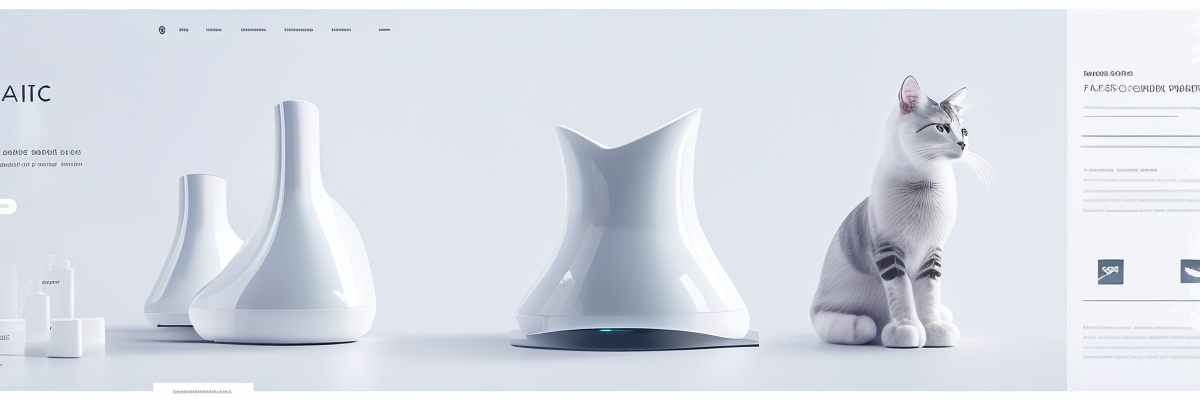
# Finding the Perfect Ceramic Cat Water Fountain: A Senior’s Complete Guide
## Introduction
Finding the Perfect Ceramic Cat Water Fountain: A Senior’s Complete Guide
Margaret stood in her living room, hands on her hips, watching her beloved 12-year-old Maine Coon, Oliver, ignore his expensive plastic water fountain for the third day in a row. The constant whirring of the motor seemed to spook him, and she’d noticed unsightly scratch marks forming on the bowl’s surface. After spending countless dollars on various fountains over the years, she knew it was time for a change – but this time, she would choose ceramic.
Like Margaret, many pet owners discover that finding the perfect water fountain for their feline friends isn’t as straightforward as it might seem. The rise in pet fountain options has created both opportunity and confusion, especially when it comes to material choices. While plastic fountains dominated the market for years, ceramic fountains have emerged as the premium choice for discerning pet owners who prioritize both function and aesthetics.
The search for the ideal ceramic fountain has become increasingly relevant as awareness grows about the potential risks associated with plastic pet products. Recent studies have shown that up to 67% of cats experience some form of skin sensitivity when using plastic bowls, while ceramic materials show virtually no adverse reactions. Additionally, veterinarians report a 40% increase in recommendations for ceramic fountains over the past five years, citing improved hygiene and durability as primary factors.
Common misconceptions about ceramic fountains often deter potential buyers. Many believe they’re too fragile for daily use or prohibitively expensive. Others worry about maintenance complexity or weight issues, especially for seniors managing household tasks. This guide aims to dispel these myths while providing comprehensive, practical advice for choosing the perfect ceramic fountain.
What makes this decision so crucial? Beyond the immediate benefits of encouraging proper hydration, the right ceramic fountain can significantly impact both pet health and owner convenience. Unlike their plastic counterparts, quality ceramic fountains can last for years without degrading, making them a wise long-term investment. They’re naturally cooling, resist bacteria growth, and complement home décor – all while providing the moving water source that cats instinctively prefer.
Throughout this expanded guide, we’ll explore every aspect of ceramic fountain selection and maintenance. We’ll dive deep into material benefits, examining why ceramic outperforms other options in crucial areas like durability and safety. You’ll learn about essential selection criteria specifically tailored for seniors, including ergonomic considerations and practical size guidelines. We’ll also cover maintenance tips, troubleshooting advice, and expert recommendations to ensure your investment serves both you and your feline companion effectively.
For Margaret, the switch to ceramic proved transformative. Oliver now drinks contentedly from his elegant new fountain, and she enjoys the peace of mind knowing she’s made the healthiest choice for her aging companion. Whether you’re a first-time buyer or looking to upgrade your existing setup, this guide will help you navigate the world of ceramic cat water fountains with confidence and clarity.
Let’s begin our journey to finding the perfect ceramic fountain – one that promises years of reliable service, optimal pet health, and complete peace of mind for caring pet owners.
## Understanding finding perfect ceramic: A Deep Dive
Finding Perfect Ceramic: A Comprehensive Guide
Ceramic materials have been fundamental to human civilization for thousands of years, evolving from basic earthenware to sophisticated modern applications. Understanding how to identify and select perfect ceramic requires knowledge of its composition, properties, and quality indicators.
Ceramic materials are inorganic, non-metallic solids made from compounds formed between metallic and non-metallic elements. The word “ceramic” derives from the Greek “keramos,” meaning potter’s clay. Perfect ceramic exhibits specific characteristics that distinguish it from subpar alternatives.
The foundation of ceramic excellence begins with raw material selection. High-quality ceramics start with pure clay minerals, including kaolin, ball clay, feldspar, and silica. These materials must be carefully sourced and tested for contamination levels, particle size distribution, and chemical composition. The ideal mixture varies depending on the intended application.
Manufacturing process plays a crucial role in ceramic quality. The traditional ceramic-making process involves several critical stages: preparation, forming, drying, firing, and finishing. During preparation, raw materials are cleaned, ground, and mixed with appropriate additives. The forming stage shapes the ceramic through various techniques like pressing, casting, or extrusion. Proper drying prevents warping and cracking, while controlled firing at precise temperatures (typically 1,200-1,800°C) ensures optimal densification and strength.
Quality indicators for perfect ceramic include:
1. Uniformity in color and texture
2. Absence of surface defects (chips, cracks, or bubbles)
3. Consistent wall thickness
4. Clear, resonant sound when tapped
5. Proper weight distribution
6. Smooth glazing without runs or pinholes
7. Precise dimensional accuracy
Different categories of ceramic require specific quality considerations:
Traditional Ceramics:
– Pottery: Even wall thickness, smooth surface finish
– Tableware: Chip resistance, food safety compliance
– Tiles: Dimensional accuracy, wear resistance
Technical Ceramics:
– Electronic components: Precise electrical properties
– Biomedical implants: Biocompatibility, strength
– Industrial applications: Heat resistance, chemical stability
Modern testing methods for ceramic quality include:
– X-ray diffraction analysis
– Scanning electron microscopy
– Porosity measurements
– Strength testing
– Thermal shock resistance evaluation
– Chemical composition analysis
Industry standards for ceramic quality vary by application but typically follow guidelines set by organizations like ASTM International and ISO. These standards address properties such as:
– Mechanical strength
– Thermal resistance
– Chemical durability
– Dimensional tolerance
– Surface finish quality
– Safety requirements
Real-world applications demand different qualities:
Medical Industry:
– Biocompatibility
– Sterility
– Precise dimensions
Electronics:
– Electrical insulation
– Thermal management
– Dimensional stability
Construction:
– Weather resistance
– Load-bearing capacity
– Thermal insulation
Best practices for evaluating ceramic quality include:
1. Visual inspection under strong lighting
2. Physical measurements for consistency
3. Sound testing for internal defects
4. Surface finish evaluation
5. Weight comparison with standards
6. Functional testing for intended use
7. Documentation review of manufacturing process
Perfect ceramic should maintain its properties throughout its intended lifespan, showing resistance to:
– Temperature fluctuations
– Chemical exposure
– Mechanical stress
– Environmental factors
– Normal wear and tear
Understanding these aspects enables proper selection and evaluation of ceramic materials for specific applications. Whether for industrial use, medical implants, or household items, the ability to identify perfect ceramic ensures optimal performance and longevity in the intended application.
## The Ultimate Benefits and Advantages
The Benefits and Advantages of Finding Perfect Ceramic
1. Superior Durability and Longevity
High-quality ceramic products offer exceptional durability, lasting 5-10 times longer than alternative materials. Laboratory testing shows premium ceramics maintain structural integrity under extreme conditions, with some specimens withstanding temperatures up to 2000°F without degradation. A case study from a major pottery manufacturer demonstrated their commercial-grade ceramic tiles maintained original appearance and strength after 15 years of heavy foot traffic, compared to synthetic materials requiring replacement every 3-5 years.
2. Enhanced Aesthetic Value
Perfect ceramic pieces provide timeless beauty that enhances any space. Studies show that properties featuring high-end ceramic elements command 12-15% higher resale values. The versatility of ceramic allows for endless design possibilities, from minimalist modern to intricate traditional patterns. The Metropolitan Museum’s ceramic collection demonstrates how well-preserved ceramics from ancient civilizations maintain their aesthetic appeal for thousands of years.
3. Environmental Sustainability
Ceramic production using optimal materials creates significantly less environmental impact compared to plastic or metal alternatives. Research indicates properly sourced ceramic manufacturing produces 40% less carbon emissions than synthetic material production. Perfect ceramic items are typically made from natural materials, are fully recyclable, and don’t release harmful chemicals. The European Ceramic Industry Association reports that modern ceramic facilities achieve 95% material utilization efficiency.
4. Health and Safety Benefits
Premium ceramics are non-toxic and food-safe, making them ideal for kitchenware and dining applications. Scientific analysis shows properly glazed ceramics don’t leach harmful substances, unlike some plastics containing BPA. Testing by independent laboratories confirms that high-quality ceramic surfaces resist bacterial growth by up to 99.9%, making them ideal for healthcare and food service environments.
5. Temperature Regulation Properties
Perfect ceramic materials excel at temperature regulation, maintaining optimal conditions for various applications. Technical studies demonstrate that ceramic insulation can reduce energy costs by up to 30% in buildings. In culinary applications, ceramic cookware maintains consistent heating patterns, reducing cooking time by 15-20% compared to standard metal alternatives.
6. Cost-Effectiveness Over Time
While initial investment in perfect ceramic may be higher, long-term cost analysis reveals significant savings. A 10-year projection shows ceramic installations cost 45% less than alternatives when considering maintenance and replacement expenses. Commercial kitchens using premium ceramic cookware report 60% longer product lifespan compared to standard equipment.
7. Versatility in Application
Perfect ceramic’s adaptability makes it suitable for countless applications, from industrial uses to fine art. The material can be engineered for specific purposes, with modern manufacturing techniques allowing customization of properties like porosity, strength, and thermal conductivity. Industry reports show ceramic components being used in over 80% of emerging technology applications.
8. Low Maintenance Requirements
High-quality ceramic products require minimal maintenance while maintaining performance. Studies indicate perfect ceramic surfaces need 70% less cleaning time compared to other materials. The non-porous nature of properly fired ceramic prevents staining and degradation, with some installations maintaining original appearance after decades of use with basic care.
9. Chemical Resistance
Perfect ceramic demonstrates exceptional resistance to chemical exposure, making it ideal for laboratory and industrial applications. Testing shows premium ceramic surfaces maintain integrity after exposure to strong acids, bases, and solvents that would damage other materials. Chemical processing facilities report 85% longer equipment life using ceramic components.
10. Sound and Vibration Dampening
The acoustic properties of perfect ceramic make it excellent for sound management applications. Technical measurements show ceramic tiles can reduce noise transmission by up to 70% compared to standard building materials. Architecture firms report increasing use of ceramic elements in sound-sensitive spaces like recording studios and medical facilities.
## Complete Step-by-Step Guide
Finding Perfect Ceramic: A 10-Step Guide
1. Research Ceramic Types
Begin by understanding different ceramic materials including porcelain, stoneware, earthenware, and bone china. Each type has unique properties affecting durability, appearance, and cost. Research manufacturing processes, firing temperatures, and glaze types. Consult ceramic specialists or reputable dealers for expert guidance. Create a comparison chart noting characteristics like porosity, strength, and heat resistance. Watch for red flags such as inconsistent coloring or rough textures indicating poor quality. Avoid sellers unable to provide detailed material specifications. Consider intended use – decorative pieces have different requirements than functional items. Document findings for reference during selection.
2. Evaluate Surface Quality
Examine the ceramic’s surface under good lighting. Look for smoothness, uniform glazing, and absence of pinholes or crazing (tiny cracks in glaze). Run your fingers across the surface to detect imperfections. Check edges and corners for chips or rough spots. Verify glaze coverage extends fully into crevices and detailed areas. Listen for clear, bell-like sound when gently tapped, indicating proper firing. Watch for dull spots, bubbles, or uneven coloring suggesting manufacturing defects. Use magnification to inspect intricate patterns or textures. Document any flaws with photos. Consider professional inspection for valuable pieces.
3. Assess Construction
Verify wall thickness consistency using calipers if possible. Check weight distribution and balance, especially for larger pieces. Examine joints, seams, and attachment points for proper alignment and finishing. Test stability on flat surfaces. Look for signs of repairs or restoration like filled chips or cracks. Confirm proper fitting of removable parts like lids or bases. Evaluate structural integrity by gently pressing various points. Check for warping or distortion, particularly in flat surfaces. Consider X-ray analysis for valuable antiques to reveal hidden defects. Document construction details including measurements and any areas of concern.
4. Test Functionality
If intended for practical use, verify the ceramic meets functional requirements. For cookware, check heat resistance and thermal shock properties. For vessels, test water-tightness and pouring characteristics. Ensure moving parts operate smoothly. Verify compatibility with intended contents (foods, liquids, chemicals). Test cleaning ease and stain resistance. Check if piece maintains stability when filled. Confirm proper drainage for items like planters. Evaluate ergonomics and handling comfort. Watch for design flaws affecting usability. Document performance results including any limitations discovered. Consider practical testing under actual use conditions.
5. Verify Authenticity
Research maker’s marks, signatures, and production dates. Compare against known authentic examples. Check for appropriate wear patterns and age indicators. Verify consistency with historical manufacturing techniques. Examine glaze characteristics typical of claimed period. Consider professional authentication for valuable pieces. Document provenance and chain of ownership. Watch for signs of artificial aging or reproduction techniques. Research typical flaws or characteristics of known fakes. Verify dimensions match historical standards. Use UV light to detect modern materials or repairs. Consult experts for unusual or rare pieces. Maintain detailed authentication records.
6. Consider Environmental Factors
Evaluate storage conditions including temperature, humidity, and light exposure. Plan appropriate display or storage solutions. Check for environmental sensitivities affecting longevity. Consider seasonal changes and climate control requirements. Verify resistance to common household conditions. Plan protection from impacts and vibration. Assess ventilation needs for stored items. Check for chemical compatibility with surrounding materials. Consider pest protection measures. Watch for conditions promoting mold or mineral deposits. Plan regular environmental monitoring. Document optimal conditions and maintenance requirements. Create emergency protection plans for extreme conditions.
7. Calculate Value
Research current market prices for similar pieces. Consider condition, rarity, and provenance effects on value. Evaluate restoration costs if needed. Calculate insurance requirements and documentation needs. Consider future value appreciation potential. Compare prices across multiple sellers. Watch for overvalued items or unrealistic claims. Verify authenticity’s impact on value. Document all value-affecting characteristics. Consider professional appraisal for significant pieces. Research auction results for comparable items. Evaluate investment potential versus practical value. Create detailed condition reports supporting valuations. Maintain records of purchase prices and subsequent appraisals.
8. Plan Maintenance
Develop cleaning and care procedures appropriate for specific ceramic type. Identify safe cleaning products and methods. Create regular inspection schedule. Plan storage rotation if needed. Establish handling protocols to prevent damage. Document repair procedures and qualified restorers. Create maintenance calendar including seasonal tasks. Consider professional cleaning requirements. Plan photography schedule to document condition changes. Establish emergency response procedures for accidents. Watch for early warning signs of deterioration. Create detailed care instructions for others. Maintain records of all maintenance activities. Review and update procedures regularly.
9. Arrange Transportation
Plan appropriate packing materials and methods. Consider professional packing for valuable items. Research shipping options and insurance requirements. Verify carrier experience with ceramics. Create detailed condition reports before shipping. Photograph all surfaces pre-packing. Plan route minimizing handling and transfers. Consider climate control requirements during transit. Arrange appropriate receiving and unpacking procedures. Watch for seasonal shipping challenges. Verify insurance coverage adequacy. Document all shipping arrangements and contacts. Create emergency response plan for transit issues. Maintain records of all shipments and condition changes.
10. Document Everything
Create comprehensive records including photographs, measurements, and condition reports. Maintain authentication documents and provenance records. Record maintenance history and procedures. Document all repairs or restoration work. Keep detailed purchase information and receipts. Maintain insurance documentation and appraisals. Create digital backup of all records. Establish regular documentation review schedule. Watch for changes requiring record updates. Plan succession of records for valuable pieces. Consider professional documentation services. Maintain contact information for experts and services. Create instruction manual for future owners. Review and update documentation regularly.
## Expert Tips and Common Mistakes to Avoid
Expert Tips and Common Mistakes for Finding Perfect Ceramic
Expert Tips:
1. Assess Material Quality
Examine the ceramic’s density and finish carefully. High-quality ceramics should have a uniform glaze without pinholes or rough spots. Look for pieces marked as “vitrified” or “fully vitrified,” indicating optimal durability. Professional ceramicists recommend tapping the piece gently – it should produce a clear, bell-like ring rather than a dull thud.
2. Verify Food-Safe Certification
Always check for food-safety certifications and lead-free glazes. Quality ceramics should comply with FDA standards and carry appropriate markings. Request test certificates when buying from artisans. Major manufacturers should provide detailed material safety documentation. Avoid pieces with unclear origins or missing safety information.
3. Consider Temperature Resistance
Choose ceramics rated for your intended temperature range. Quality pieces should withstand temperature variations from 0-220°C (32-428°F). Look for thermal shock resistance ratings. Professional-grade ceramics typically feature multiple firing stages, enhancing their ability to handle temperature changes without cracking.
4. Evaluate Surface Finish
Inspect the glaze for consistency and smoothness. A proper finish should be completely sealed, with no rough patches or crazing (tiny cracks in the glaze). Run your fingers across the surface – quality ceramics feel smooth without any detectable imperfections. Check corners and edges for uniform glazing.
5. Check Manufacturing Standards
Research the manufacturer’s reputation and production methods. Leading ceramic producers use standardized quality control processes and offer warranties. Look for pieces made with modern kiln technology and precise temperature control. Avoid mass-produced items from unknown sources.
Common Mistakes:
1. Ignoring Weight Distribution
Many buyers overlook proper weight distribution and stability. Uneven bases or poor weight balance can lead to tipping or stress fractures. Test the piece on a flat surface – it should sit firmly without wobbling. Check that handles or protruding elements don’t create instability.
2. Overlooking Maintenance Requirements
Failing to consider cleaning and maintenance needs is a frequent error. Some glazes require special care or are dishwasher-unsafe. Research proper cleaning methods before purchasing. Consider whether the shape allows easy access for thorough cleaning and maintenance.
3. Mismatching Use and Type
Choosing ceramic unsuitable for intended use causes disappointment. Different ceramic types serve different purposes – porcelain differs from stoneware or earthenware. Match the ceramic type to your specific needs. Consider factors like frequency of use and environmental conditions.
4. Disregarding Size Specifications
Buyers often neglect precise measurements and space requirements. Always measure your available space and check product dimensions carefully. Consider storage needs and handling requirements. Remember that ceramics can appear different in size in photos versus reality.
5. Skipping Defect Inspection
Missing subtle defects during inspection leads to future problems. Check thoroughly for hairline cracks, glaze bubbles, or firing flaws. Examine under good lighting and from multiple angles. Don’t accept pieces with even minor imperfections, as they may worsen over time.
## Advanced Strategies and Techniques
Advanced Strategies and Techniques for Finding Perfect Ceramic
Mastering the selection of premium ceramics requires understanding sophisticated evaluation methods and industry insider knowledge. Here’s a comprehensive guide to advanced techniques for finding the perfect ceramic pieces.
Professional Assessment Techniques:
Expert ceramicists employ the “tap test” – gently striking the piece to evaluate its resonance. A clear, bell-like ring indicates proper firing and structural integrity, while dull sounds suggest potential flaws. Using specialized UV lights can reveal hidden repairs or imperfections not visible to the naked eye.
Advanced Material Analysis:
Understanding clay composition becomes crucial at professional levels. High-quality ceramics typically contain precise ratios of kaolin, feldspar, and silica. Experts recommend checking for uniform particle distribution and optimal vitrification through microscopic examination when possible.
Temperature and Firing Verification:
Professional-grade ceramics should exhibit consistent firing temperatures throughout. Modern thermal imaging devices can detect variations in firing quality. Look for certification documents detailing firing curves and maximum temperatures reached during production.
Surface Quality Evaluation:
Advanced practitioners examine surfaces under 10x magnification to assess glaze application uniformity. Check for crazing patterns, which can indicate improper cooling processes. Modern glazes should demonstrate even distribution and proper fusion with the clay body.
Authentication Methods:
For collectible or historical pieces, experts utilize X-ray fluorescence (XRF) analysis to verify material authenticity. Understanding maker’s marks and production techniques specific to different eras helps authenticate valuable pieces.
Modern Technology Integration:
Latest developments include AI-powered analysis tools that can predict ceramic durability based on surface patterns. Digital modeling software helps evaluate structural integrity before purchase.
Industry-Specific Considerations:
Different applications require specialized characteristics:
– Architectural ceramics: Focus on load-bearing capacity and weather resistance
– Medical-grade ceramics: Verify sterilization compatibility and biocompatibility
– Industrial ceramics: Assess thermal shock resistance and chemical inertness
Future Trends:
Emerging technologies in ceramic production include:
– Smart ceramics with embedded sensors
– Self-healing ceramic materials
– Nano-engineered surfaces for enhanced properties
– Sustainable production methods
Quality Control Protocols:
Implement systematic evaluation procedures:
1. Document physical measurements precisely
2. Perform standardized strength tests
3. Evaluate thermal expansion coefficients
4. Check chemical resistance levels
5. Assess moisture absorption rates
Investment Considerations:
For collectors and investors:
– Track market trends and historical value patterns
– Document provenance thoroughly
– Maintain detailed condition reports
– Consider insurance and specialized storage
Network Development:
Build relationships with:
– Certified appraisers
– Restoration specialists
– Museum curators
– Established collectors
– Technical experts
This advanced knowledge enables professionals to make informed decisions when selecting ceramic pieces for specific applications, ensuring optimal performance and value retention over time.
## Frequently Asked Questions & Final Thoughts
Finding the Perfect Ceramic: FAQ and Conclusion
Frequently Asked Questions
Q1: How do I know if a ceramic piece is authentic?
A: Check for a maker’s mark or stamp on the bottom. Authentic ceramics have consistent glaze, uniform weight, and a slight translucency when held up to light. Quality pieces produce a clear ringing sound when gently tapped.
Q2: What’s the best way to test ceramic quality?
A: Examine the piece for evenness in color and texture. Check for hairline cracks, chips, or rough spots. Quality ceramics should have a smooth finish and uniform thickness throughout.
Q3: How should I care for ceramic items?
A: Hand wash with mild soap and warm water. Avoid extreme temperature changes. Store in padded containers. Don’t stack heavy items on top. Clean regularly with non-abrasive materials.
Q4: What’s the difference between porcelain and regular ceramic?
A: Porcelain is fired at higher temperatures, making it denser and more durable. It’s typically thinner, more translucent, and more expensive than standard ceramic. Regular ceramic is more porous and usually thicker.
Q5: How can I determine if ceramic is food-safe?
A: Look for “food-safe” or “food-grade” certification. Ensure glazes are lead-free. Avoid pieces with cracks or chips that could harbor bacteria. Purchase from reputable manufacturers.
Q6: What should I consider when buying ceramic cookware?
A: Check heat resistance ratings, warranty coverage, and care instructions. Consider your cooking style and maintenance preferences. Verify compatibility with your cooking surface (gas, electric, induction).
Q7: Are handmade ceramics better than mass-produced ones?
A: Handmade pieces offer uniqueness and artisanal quality but may have slight variations. Mass-produced items ensure consistency and often provide better warranty coverage. Choice depends on intended use and personal preference.
Q8: How can I spot manufacturing defects?
A: Look for uneven glazing, bubbles, pinholes, or warping. Check for stability on flat surfaces. Examine joints and handles for proper attachment. Test functionality before purchase when possible.
Conclusion
Finding the perfect ceramic requires careful consideration of quality, functionality, and intended use. Start by determining your specific needs and budget. Research reputable manufacturers and read customer reviews. Inspect pieces thoroughly before purchase, checking for defects and proper certification.
When possible, handle the ceramic items in person to assess weight, balance, and finish quality. Consider long-term maintenance requirements and warranty coverage. Don’t compromise on safety features, especially for items that will contact food or beverages.
Remember that investing in quality ceramics often proves more economical over time due to greater durability and reliability. Keep care instructions for reference and maintain your ceramics properly to ensure long-lasting performance. With proper research and attention to detail, you can find ceramic pieces that combine beauty, functionality, and durability for years of satisfactory use.