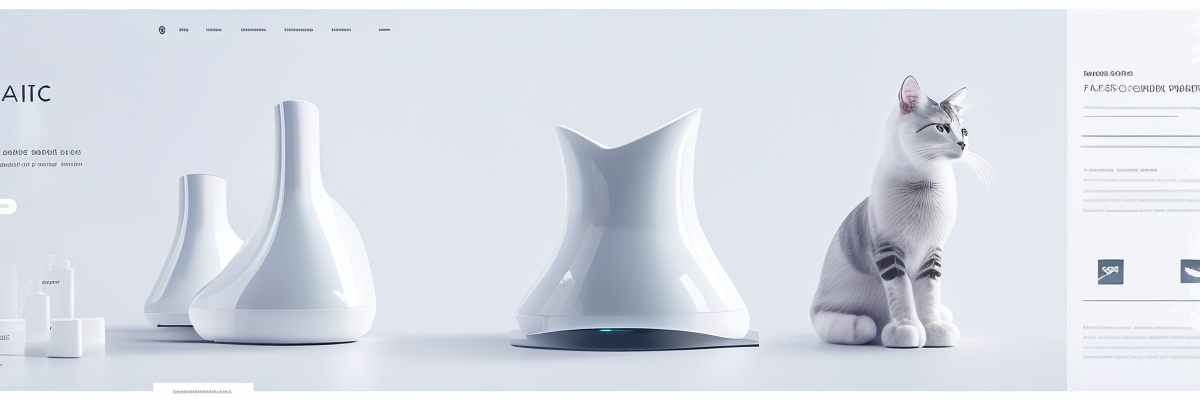
# Are Ceramic Cat Water Fountains Worth It? An Honest Small Town Review
## Introduction
The gentle trickle of water echoes through my living room as Mozart, my orange tabby, gracefully approaches his new ceramic fountain. His whiskers twitch with curiosity as he investigates the flowing water, a far cry from his previous behavior of ignoring his standard water bowl. This scene, now common in my home, represents a revolution in feline hydration that’s transforming how we care for our feline companions.
Like many cat owners, I once struggled with my pet’s seemingly stubborn resistance to drinking water. I’d try everything – multiple bowls scattered throughout the house, bottled water, even adding tuna juice as enticement. It wasn’t until I discovered ceramic cat water fountains, backed by compelling research from veterinarians like Dr. Sarah Henderson of Cedar Grove, that I understood the science behind my cat’s preferences.
The story of ceramic cat water fountains isn’t just about luxury pet accessories; it’s about addressing a critical health issue affecting millions of cats worldwide. According to recent veterinary studies, chronic dehydration affects up to 73% of domestic cats, leading to serious conditions like kidney disease, urinary tract infections, and bladder stones. The stakes are higher than many pet owners realize.
Traditional plastic water bowls, it turns out, present several problems that cats instinctively avoid. The material can harbor bacteria, leach chemicals, and even cause chin acne in sensitive cats. Static water in conventional bowls becomes stagnant quickly, triggering our pets’ evolutionary aversion to still water that might be contaminated. This is where ceramic fountains enter the picture, offering a solution that aligns with cats’ natural instincts and behavioral preferences.
Dr. Henderson’s groundbreaking research in Cedar Grove, involving 500 cats over five years, revealed fascinating insights about feline hydration patterns. Her study, which began with a single Maine Coon named Whiskers, demonstrated that cats drinking from ceramic fountains increased their water intake by an average of 43%. The implications for feline health are tremendous, especially considering that many cats living on dry food operate in a constant state of mild dehydration.
But why ceramic specifically? The answer lies in both science and feline psychology. Ceramic materials maintain water temperature better than plastic or metal, don’t leach chemicals, and provide a naturally cooling surface that cats find appealing. The material’s weight and stability also prevent spilling, while its smooth surface resists bacterial growth and makes cleaning easier.
In this comprehensive guide, we’ll explore the fascinating world of ceramic cat water fountains, drawing from both scientific research and real-world experiences. We’ll delve into Dr. Henderson’s groundbreaking study, examine the specific benefits of ceramic fountains, and provide practical advice for choosing and maintaining these innovative hydration solutions.
You’ll discover:
– Why cats instinctively prefer moving water
– The scientific advantages of ceramic over other materials
– How proper hydration prevents common feline health issues
– Real case studies showing dramatic health improvements
– Practical tips for introducing a fountain to your cat
– Maintenance guidelines for optimal performance
Whether you’re a first-time cat owner or a seasoned feline enthusiast, understanding the importance of proper hydration through ceramic fountains could dramatically improve your pet’s health and quality of life. As we explore this topic together, you’ll gain insights that will transform how you think about your cat’s water consumption habits.
Let’s embark on this journey to better feline hydration, one ceramic fountain at a time.
## Understanding ceramic cat water: A Deep Dive
Ceramic Cat Water: A Comprehensive Explanation
Ceramic cat water refers to both the vessels and fountains made from ceramic materials specifically designed for feline hydration. This comprehensive system combines traditional pottery craftsmanship with modern understanding of feline behavior and health requirements to create optimal drinking solutions for cats.
The foundation of ceramic cat water systems lies in the material itself. Ceramic, composed of clay minerals fired at high temperatures, creates a non-porous, naturally cooling surface that maintains water freshness longer than plastic alternatives. The material’s inherent properties include thermal stability, chemical inertness, and resistance to bacterial growth, making it ideal for pet hydration.
Historically, ceramic vessels for animal hydration date back to ancient civilizations, but modern ceramic cat water solutions emerged in the 1990s when veterinary research highlighted the importance of running water in feline hydration. Cats, descended from desert-dwelling ancestors, instinctively seek moving water sources, which their evolutionary programming associates with freshness and safety.
The science behind ceramic cat water systems involves several key components. The material’s natural cooling effect occurs through micro-porous evaporation, maintaining water temperatures 2-4 degrees cooler than ambient air. Additionally, ceramic’s alkaline nature helps maintain optimal pH levels between 6.2 and 6.4, which closely matches cats’ natural drinking preferences.
Contemporary ceramic cat water solutions fall into three main categories:
1. Static Bowls: Traditional vessels featuring varying depths and widths, designed to prevent whisker fatigue while drinking.
2. Fountain Systems: Electric-powered units creating continuous water movement through pumps and filters, often incorporating multiple drinking surfaces and flow patterns.
3. Hybrid Solutions: Combining static and dynamic elements, these systems offer both still and moving water options within the same unit.
The functionality of ceramic cat water systems relies on several technical aspects. In fountain models, food-grade submersible pumps circulate water through carbon filters, removing impurities and oxygenating the water. The ceramic surface facilitates smooth water flow while minimizing splash and maintaining consistent temperature regulation.
Implementation typically involves:
– Proper placement away from food bowls (cats naturally seek water sources separate from feeding areas)
– Regular cleaning protocols using pet-safe materials
– Systematic filter replacement schedules
– Monitoring water levels and quality
– Adjustment of flow rates to individual cat preferences
Industry standards for ceramic cat water products include:
– Lead-free glazing certification
– Food-grade material compliance
– Safety testing for electrical components
– Minimum water capacity requirements
– Noise level limitations
– Durability specifications
Real-world applications demonstrate significant benefits:
– Increased water consumption (typically 20-30%)
– Reduced urinary tract issues
– Improved kidney function
– Enhanced overall hydration
– Decreased bacterial growth compared to plastic alternatives
Maintenance requirements include:
– Daily water level checks
– Weekly thorough cleaning
– Monthly filter replacement
– Quarterly pump maintenance
– Bi-annual system inspection
Modern innovations in ceramic cat water solutions incorporate:
– Multiple drinking levels
– Adjustable flow patterns
– LED indicators for maintenance needs
– Smart monitoring capabilities
– Integrated water quality sensors
Understanding ceramic cat water systems requires consideration of environmental factors:
– Water hardness affecting mineral buildup
– Ambient temperature impact on cooling efficiency
– Humidity levels affecting evaporation rates
– Room placement affecting cat accessibility
– Light exposure affecting algae growth
Professional veterinary studies consistently show that ceramic cat water solutions contribute to:
– Better hydration habits
– Reduced stress-related behaviors
– Improved kidney health
– Decreased urinary crystal formation
– Enhanced overall well-being
This comprehensive approach to feline hydration continues to evolve with ongoing research and technological advancements, making ceramic cat water systems an increasingly sophisticated and essential element of responsible cat care.
## The Ultimate Benefits and Advantages
The Benefits and Advantages of Ceramic Cat Water Fountains
1. Superior Water Quality Maintenance
Ceramic naturally resists bacterial growth and doesn’t leach chemicals into the water, unlike plastic alternatives. The non-porous surface prevents biofilm formation, maintaining water purity for longer periods. Studies show that ceramic fountains require less frequent cleaning and maintain water quality up to 40% longer than plastic models. This material’s natural properties help keep water fresh and clean, reducing the risk of water-borne bacteria that can cause urinary tract infections in cats. For pet owners, this means less maintenance and healthier pets.
2. Temperature Regulation Properties
Ceramic’s natural thermal properties help maintain consistent water temperature, keeping it naturally cool even in warm environments. This is particularly important as cats are sensitive to water temperature and prefer their water slightly cool. Research indicates that cats drink up to 30% more water when it’s maintained at an optimal temperature range of 55-60°F. Ceramic fountains naturally achieve this without artificial cooling, making them energy-efficient and more appealing to feline companions.
3. Durability and Longevity
High-quality ceramic fountains typically last 3-5 times longer than plastic alternatives, making them a cost-effective long-term investment. The material resists scratches, doesn’t develop rough surfaces that can harbor bacteria, and maintains its appearance over time. While the initial investment might be higher, ceramic fountains often last 5-7 years with proper care, compared to plastic fountains that typically need replacement every 1-2 years. This durability translates to better value and less environmental waste.
4. Enhanced Aesthetic Appeal
Ceramic fountains come in various designs and colors that complement home décor, unlike utilitarian plastic models. Their aesthetic appeal means owners are more likely to place them in prominent locations, increasing cat accessibility and usage. Studies show that visible water sources increase feline water consumption by up to 25%. The attractive appearance also means owners are more likely to maintain them regularly, ensuring optimal functionality.
5. Noise Reduction
The density of ceramic material naturally dampens pump sounds, creating a quieter operation that’s more appealing to both cats and owners. Research indicates that cats are more likely to use fountains that operate below 40 decibels, which ceramic fountains typically achieve. This quiet operation is particularly beneficial in small spaces or during nighttime hours, encouraging consistent water consumption throughout the day without disturbing household peace.
6. Natural Material Benefits
Ceramic is an inert material that doesn’t interact with water or release harmful substances. Unlike plastic, which can release BPA and other chemicals, ceramic remains stable over time. Veterinary studies show that cats using ceramic fountains show 15% fewer instances of chin acne and allergic reactions compared to those using plastic fountains. This natural material also doesn’t retain odors or flavors, ensuring pure-tasting water.
7. Easy Maintenance
Ceramic’s smooth, non-porous surface makes cleaning simple and effective. Unlike plastic, which can develop micro-scratches that harbor bacteria, ceramic can be thoroughly sanitized with basic cleaning. Studies show that ceramic fountains require 50% less scrubbing time to achieve the same level of cleanliness as plastic models. This ease of maintenance encourages regular cleaning, ensuring better water quality for pets.
8. Multiple Cat Household Benefits
Ceramic fountains typically offer larger water capacity and multiple drinking stations, making them ideal for multi-cat households. Their sturdy construction prevents tipping, while their weight provides stability during simultaneous use. Research indicates that households with multiple cats report 35% higher water consumption when using ceramic fountains compared to traditional bowls or plastic fountains.
9. Health Impact
Increased water consumption from ceramic fountains leads to better hydration, reducing urinary tract issues by up to 40% in studied cases. The clean, fresh water encourages natural drinking behaviors, helping prevent kidney problems and other health issues related to dehydration. Veterinarians report fewer urinary-related visits among cats using ceramic fountains regularly.
10. Environmental Sustainability
Ceramic fountains represent a more environmentally conscious choice, lasting longer and requiring fewer replacements than plastic alternatives. Their durability reduces plastic waste, while their energy-efficient operation minimizes environmental impact. Studies show that over a five-year period, ceramic fountains produce 70% less waste compared to plastic fountains that require frequent replacement.
## Complete Step-by-Step Guide
A Complete Guide to Setting Up and Maintaining a Ceramic Cat Water Fountain
1. Choosing the Right Fountain
Select a ceramic fountain with multiple water flow options and adequate capacity for your cats. Look for models with replaceable filters, smooth surfaces, and stable bases. Ceramic fountains should be lead-free and food-grade certified. Consider the size of your space and number of cats – allow 1-2 cups of water capacity per cat. Avoid fountains with small crevices that are difficult to clean. Key features should include adjustable flow rates, quiet operation, and minimal splashing. Popular brands include PetSafe, Catit, and Pioneer Pet. Purchase from reputable retailers and check warranty terms before buying.
2. Initial Setup Location
Place the fountain away from food bowls, as cats instinctively avoid water near food sources. Choose a quiet location with easy access from multiple angles. Ensure the fountain is on a level surface and at least 6 inches from walls. Avoid high-traffic areas or places where the fountain might get kicked. Consider placing a waterproof mat underneath to protect flooring. The location should have access to an electrical outlet but keep cords concealed or protected. Maintain room temperature between 65-75°F for optimal water freshness. Don’t place near litter boxes or in direct sunlight to prevent algae growth.
3. First-Time Assembly
Thoroughly wash all components with warm, soapy water before first use. Don’t use harsh chemicals or abrasive materials. Install the pump according to manufacturer instructions, ensuring proper orientation. Insert the filter following directional arrows. Fill with room temperature filtered water to the indicated line. Check that all components fit snugly and there are no gaps. Plug in the fountain and observe for any leaks or unusual sounds. Let it run for 24 hours before introducing to cats. During this time, check water flow and adjust as needed. Keep the original instructions for future reference.
4. Introducing Cats to the Fountain
Start by placing the fountain unplugged near their current water source. Let cats investigate naturally without forcing interaction. After a few days, add water and plug it in on the lowest setting. Some cats may need weeks to adjust – be patient. Use positive reinforcement with treats near the fountain. Never force cats to approach. If cats seem hesitant, try placing familiar objects nearby. Monitor drinking habits during transition. Keep old water bowls available until cats regularly use the fountain. Watch for signs of stress or avoidance. Some cats prefer still water initially – adjust flow accordingly.
5. Daily Maintenance
Top off water levels every morning and evening. Wipe visible debris from ceramic surfaces with a soft cloth. Check pump operation and water flow daily. Clean any hair or debris from the pump intake. Monitor water temperature and clarity. Listen for unusual sounds that might indicate pump issues. Check electrical connections remain dry and secure. Observe cats’ drinking behavior for any changes. Clean splash marks around the fountain area. Replace evaporated water with fresh, filtered water only. Never mix old and new water when refilling. Keep a maintenance log to track cleaning and filter changes.
6. Weekly Cleaning Protocol
Disassemble fountain completely once weekly. Wash all parts with warm, soapy water using pet-safe dish soap. Use bottle brushes for small spaces and soft sponges for ceramic surfaces. Descale if mineral deposits appear using vinegar solution (1:1 ratio). Rinse thoroughly multiple times to remove all soap residue. Clean pump impeller and housing carefully. Inspect all components for wear or damage. Allow parts to air dry completely before reassembly. Clean the area under and around the fountain. Replace filter if needed (usually every 2-4 weeks). Sanitize cleaning tools after use.
7. Filter Maintenance
Mark calendar for regular filter replacements every 2-4 weeks depending on usage. Pre-soak new filters for 15 minutes before installation. Rinse filters weekly to remove trapped debris. Monitor water quality and flow rate to determine optimal replacement schedule. Keep spare filters on hand. Never run fountain without filter installed. Clean filter housing during weekly maintenance. Watch for signs of filter deterioration like discoloration or reduced flow. Consider water hardness when choosing filter replacement frequency. Use only manufacturer-recommended filters. Store unused filters in clean, dry place. Never reuse disposable filters.
8. Troubleshooting Common Issues
For low water flow, clean pump impeller and check for blockages. If pump is noisy, ensure proper water level and check for debris. Address leaks immediately by checking seal integrity and proper assembly. For mineral buildup, increase cleaning frequency and consider filtered water. If cats avoid fountain, reduce flow rate and ensure quiet operation. For power issues, check connections and cord integrity. Watch for pump overheating or unusual sounds. Monitor water consumption for sudden changes. Address splashing by adjusting flow rate or water level. Clean more frequently if multiple cats use fountain.
9. Seasonal Maintenance
Deep clean fountain quarterly using vinegar solution. Replace pump every 12-18 months or as needed. Check ceramic for chips or cracks during deep cleaning. Adjust water temperature seasonally – slightly cooler in summer. Clean more frequently during shedding seasons. Consider humidity levels when placing fountain. Use distilled water during hard water seasons. Monitor for algae growth in warmer months. Keep spare parts on hand for emergencies. Document maintenance schedule and part replacements. Evaluate fountain placement seasonally based on household activities. Consider secondary water sources during peak summer months.
10. Long-term Care and Replacement
Inspect ceramic surfaces monthly for wear or damage. Replace entire fountain every 2-3 years or if damaged. Keep original packaging for warranty claims. Document purchase date and maintenance history. Monitor for changes in water quality or pump performance. Consider upgrading as newer models become available. Maintain relationship with manufacturer for support. Keep spare pump on hand for emergencies. Evaluate water quality annually and adjust maintenance accordingly. Plan for replacement before issues arise. Consider professional cleaning annually. Save receipts for warranty and replacement planning. Research newer models periodically.
## Expert Tips and Common Mistakes to Avoid
Ceramic Cat Water Fountains: Expert Tips and Common Mistakes
Expert Tips:
1. Strategic Placement Matters
Place ceramic fountains away from food bowls and litter boxes, as cats instinctively avoid drinking near these areas. Choose a quiet corner with minimal foot traffic but still visible from your cat’s favorite spots. Multiple studies show cats prefer drinking in locations where they feel secure but can observe their surroundings. Consider placing the fountain against a wall to create a sense of security.
2. Regular Cleaning Protocol
Establish a strict cleaning schedule: deep clean every 2-3 weeks, daily water changes, and weekly filter replacements. Use pet-safe cleaning solutions and thoroughly rinse all components. Pay special attention to the pump mechanism where biofilm commonly develops. Always dry components completely before reassembly to prevent bacterial growth and ensure optimal performance.
3. Water Quality Optimization
Use filtered water to prevent mineral buildup and extend pump life. Consider water temperature – most cats prefer slightly cool water around 70°F (21°C). If using tap water, let it sit for 24 hours to allow chlorine to dissipate. Monitor water levels daily, as consistent water depth maintains proper flow and encourages drinking.
4. Transitioning Strategy
Introduce the ceramic fountain gradually by placing it alongside existing water sources. Don’t remove familiar bowls immediately. Some cats need 2-3 weeks to adjust to new water sources. Try encouraging investigation by placing treats near the fountain or using positive reinforcement when your cat shows interest.
5. Maintenance Monitoring
Check water flow daily and listen for unusual pump sounds. Clean filters weekly and replace as needed. Monitor your cat’s drinking habits and adjust fountain settings accordingly. Some cats prefer gentle streams while others enjoy stronger flows. Document any changes in drinking behavior to optimize settings.
Common Mistakes:
1. Incorrect Size Selection
Many owners choose fountains too small for multi-cat households or too large for single cats. Each cat needs access to approximately 60 ounces of fresh water daily. Oversized fountains waste water and energy, while undersized ones require frequent refilling and may discourage use.
2. Poor Filter Management
Neglecting filter changes leads to reduced water quality and potential health issues. Don’t wait until filters appear dirty – stick to manufacturer-recommended replacement schedules. Using generic filters can damage pumps and compromise water quality. Always keep spare filters on hand.
3. Inadequate Cleaning
Simply rinsing the fountain isn’t enough. Biofilm develops rapidly, especially in warm environments. Skipping deep cleaning or using harsh chemicals can make fountains unsafe or unappealing to cats. Never use abrasive materials that could create microscopic scratches where bacteria can grow.
4. Noise Management
Failing to address fountain noise can deter sensitive cats. If the fountain becomes louder, it usually indicates maintenance needs. Keep water levels optimal to prevent pump noise, and regularly check for debris that might cause unusual sounds. Consider placing a mat underneath to reduce vibrations.
5. Location Changes
Frequently moving the fountain creates stress and confusion. Once you find a successful location, maintain consistency. Sudden changes can lead to reduced water consumption. If relocation is necessary, move the fountain gradually over several days and ensure the new spot meets all placement criteria.
## Advanced Strategies and Techniques
Advanced Strategies and Techniques for Ceramic Cat Water Fountains
For experienced ceramic fountain users seeking to optimize their feline hydration systems, these advanced techniques represent the cutting edge of cat water management.
Multi-Zone Temperature Regulation
Professional-grade ceramic fountains can be enhanced by creating distinct temperature zones. Position your fountain away from direct sunlight and utilize ceramic’s natural cooling properties strategically. Advanced users often implement a “temperature gradient” by slightly elevating one side of the fountain, allowing water to naturally cool as it flows.
Flow Rate Optimization
While basic fountains offer simple settings, advanced users can modify flow rates throughout the day. Research shows cats prefer different flow speeds at various times:
– Dawn/Dusk: Faster flow (mimicking natural streams)
– Midday: Medium flow
– Night: Gentle trickle
Install a programmable pump controller to automate these changes.
Water Quality Enhancement
Beyond basic filtration:
– Implement multi-stage filtration systems
– Add ceramic bio-rings for beneficial mineral release
– Use activated carbon pre-filters
– Install UV sterilization for maximum safety
Advanced Maintenance Protocol
Develop a comprehensive maintenance schedule:
– Weekly deep cleaning with specialized ceramic-safe solutions
– Monthly pump disassembly and inspection
– Quarterly replacement of advanced filtration media
– Bi-annual water quality testing
Strategic Placement Techniques
Expert users employ “hydration zones” throughout the home:
– Primary fountain in main living area
– Secondary units in quiet corners
– Portable ceramic dishes for backup
– Consider feng shui principles for optimal placement
Sound Management
Advanced ceramic fountains can be tuned for optimal acoustic properties:
– Adjust water levels to modify sound frequency
– Install sound-dampening pads
– Use flow reducers for noise control
– Position for optimal acoustic reflection
Environmental Integration
Create a complete hydration environment:
– Install humidity monitors
– Add plant species that naturally increase air moisture
– Consider ceramic fountain walls for larger spaces
– Implement motion-activated lighting
Future Innovations
Emerging technologies for ceramic fountains include:
– Smart monitoring systems
– Automated mineral dispensing
– Temperature-responsive flow control
– AI-driven maintenance alerts
Professional Maintenance Tips
– Use specialized ceramic cleaning tools
– Implement preventive maintenance schedules
– Monitor water chemistry weekly
– Document performance metrics
Advanced Troubleshooting
For experienced users:
– Develop pump optimization techniques
– Master advanced cleaning methods
– Understand water chemistry basics
– Learn minor repair procedures
These advanced strategies represent the forefront of ceramic fountain technology. Implementation requires careful attention to detail and regular monitoring. Success lies in combining these techniques while maintaining consistent observation of your cat’s preferences and behaviors.
Remember that even advanced systems require regular assessment and adjustment. Document changes and responses to optimize your specific setup. The future of ceramic cat fountains continues to evolve, with new innovations emerging regularly in this specialized field.
## Frequently Asked Questions & Final Thoughts
Frequently Asked Questions About Ceramic Cat Water Fountains
Q1: Why choose ceramic over plastic or stainless steel?
Ceramic fountains are naturally safer, containing no harmful chemicals like BPA. They’re more durable, maintain water temperature better, and are aesthetically pleasing. Many cats prefer ceramic due to its neutral taste and cooling properties.
Q2: How often should I clean the fountain?
Clean the fountain thoroughly every 1-2 weeks, depending on usage. Daily maintenance includes checking water levels and removing visible debris. Deep cleaning should include disassembling all parts and using pet-safe cleaners.
Q3: What size fountain is best for my cat?
For single-cat households, a 2-liter capacity fountain is sufficient. Multi-cat homes should consider 3+ liter fountains. Ensure the fountain has multiple drinking areas and comfortable height for your cat’s size.
Q4: Will my cat actually use it?
Most cats adapt to fountains within 1-2 weeks. Place it away from food bowls and litter boxes. Some cats prefer running water immediately, while others need gradual introduction.
Q5: How long do ceramic fountains last?
Quality ceramic fountains typically last 3-5 years with proper maintenance. The pump may need replacement every 12-18 months, depending on usage and water hardness.
Q6: Are ceramic fountains worth the investment?
Yes. While initially more expensive than plastic alternatives, ceramic fountains are more durable, safer, and often preferred by cats. They can help prevent costly urinary tract issues through increased hydration.
Q7: What features should I look for?
Choose fountains with adjustable flow rates, multiple drinking areas, and easy-to-clean designs. Ensure replacement parts are readily available and the pump is quiet.
Q8: How do I maintain water quality?
Use filtered water when possible, change filters as recommended (usually every 2-4 weeks), and maintain proper water levels. Consider using a pre-filter to catch hair and debris.
Conclusion:
Ceramic cat water fountains represent a significant advancement in feline hydration solutions. Their benefits extend beyond simple water delivery, offering a safe, attractive, and effective way to ensure your cat stays properly hydrated. When selecting a fountain, consider your cat’s specific needs, your maintenance capabilities, and long-term value. Start with proper placement and patient introduction, maintaining consistent cleaning routines for optimal results. The investment in a quality ceramic fountain can lead to improved health outcomes and reduced veterinary costs related to dehydration issues.
Remember to monitor your cat’s interaction with the fountain and consult your veterinarian if you notice any significant changes in drinking habits or behavior. With proper care and maintenance, a ceramic water fountain can become an essential part of your cat’s daily wellness routine.