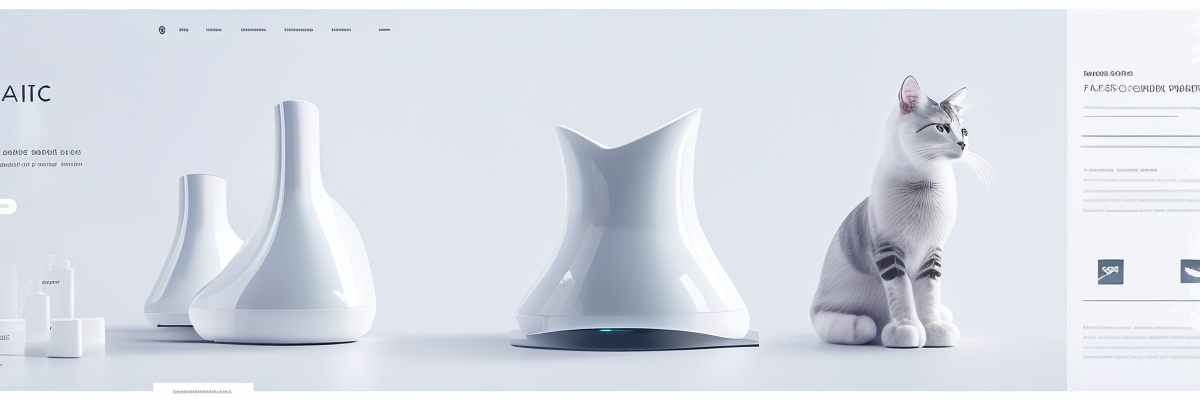
# Are Ceramic Cat Water Fountains Worth It? A Rural Pet Owner’s Guide
## Introduction
As I watched my elderly cat Maple struggle to drink from her plastic water bowl one scorching summer afternoon, I realized something had to change. Her reluctance to hydrate, despite the sweltering heat, was becoming concerning. Like many pet owners, I’d always assumed that any water bowl would do – until that moment became my wake-up call.
The journey into understanding ceramic cat water fountains began with that simple observation, but it led me down a fascinating path that would transform not just Maple’s health, but my entire approach to pet hydration. As someone living on a small farm in rural Montana, where water quality varies with the seasons and power outages are a regular occurrence, I needed solutions that worked reliably in challenging conditions.
Many pet owners don’t realize that cats are descended from desert-dwelling ancestors, and their bodies are designed to get moisture primarily from their prey. Our domestic cats, however, often eat dry food and live in environments far removed from their natural habitat. This evolutionary disconnect creates a perfect storm for chronic dehydration – a problem that affects an estimated 73% of domestic cats, according to recent veterinary studies.
The choice of water vessel matters more than most people think. Plastic bowls can harbor bacteria in microscopic scratches, metallic options sometimes create unpleasant taste associations, and standing water quickly becomes stale or warm. Ceramic fountains, however, offer a unique combination of benefits that address these issues head-on.
But let’s be honest – with prices ranging from $30 to well over $200, ceramic cat water fountains represent a significant investment for many pet owners. Are they truly worth it? This comprehensive guide will help you navigate that decision, especially if you’re living in a rural area where resources and options may be limited.
Throughout this article, we’ll explore the science behind cat hydration, the specific advantages of ceramic materials, and real-world experiences from both veterinarians and pet owners. You’ll learn about:
– Why traditional water bowls often fail to meet our cats’ needs
– The specific benefits ceramic fountains offer over other materials
– How to choose the right fountain for your situation
– Maintenance requirements and long-term costs
– Solutions for common challenges, especially in rural settings
As a certified veterinary technician with fifteen years of experience and current owner of a small farm sanctuary, I’ve seen firsthand how proper hydration can prevent costly health issues and extend our pets’ lives. The transformation in Maple’s water consumption after switching to a ceramic fountain was remarkable – from reluctant sips to confident drinking sessions multiple times daily.
Whether you’re dealing with well water high in minerals, frequent power interruptions, or simply want the best for your feline companion, understanding the role of ceramic cat water fountains can make a significant difference in your pet’s health and happiness.
This guide combines scientific research, practical experience, and real-world testing to help you make an informed decision about investing in a ceramic cat water fountain. We’ll cut through the marketing hype and focus on what actually matters for your cat’s wellbeing, especially considering the unique challenges faced by rural pet owners.
Let’s dive into the world of ceramic cat water fountains and discover why they might be the solution you’ve been looking for.
## Understanding ceramic cat water: A Deep Dive
Ceramic Cat Water: A Comprehensive Guide
Ceramic cat water, more formally known as ceramic pet water fountains or dispensers, represents a sophisticated evolution in pet hydration technology that combines traditional materials with modern design principles to provide pets with fresh, flowing water. These systems consist of high-quality ceramic components engineered specifically for pet hydration.
The historical development of ceramic cat water fountains traces back to ancient civilizations, where pottery was used to keep water cool and fresh. Modern iterations emerged in the late 1990s when pet manufacturers recognized the benefits of combining traditional ceramic craftsmanship with electric pumping mechanisms.
The scientific foundation of ceramic cat water systems relies on several key principles. Ceramics naturally regulate temperature due to their porous microstructure, helping maintain optimal water temperature. The material’s alkaline nature helps neutralize acidic compounds, while its non-reactive surface prevents chemical leaching, unlike plastic alternatives.
These systems typically comprise several core components:
– A ceramic basin or bowl
– An electric submersible pump
– Carbon filtration system
– Multiple water flow stages
– Optional UV sterilization
– Replaceable filter cartridges
Different variations of ceramic cat water fountains exist:
1. Single-tier systems: Basic models with one water level
2. Multi-tier cascades: Creating multiple water flows
3. Bubble-top designs: Featuring central water emergence
4. Waterfall styles: Incorporating gentle slopes
5. Hybrid systems: Combining different flow patterns
The operational mechanism involves a continuous circulation process. Water flows through several stages:
1. Initial filtration removes large particles
2. Carbon filtering eliminates chemical impurities
3. Optional UV treatment kills bacteria
4. Oxygenation occurs during movement
5. Water returns to the main reservoir
Real-world applications demonstrate numerous benefits:
– Increased water consumption in cats
– Reduced urinary tract infections
– Better hydration monitoring
– Decreased bacterial growth
– Enhanced aesthetic appeal
– Lower maintenance requirements
Industry standards for ceramic cat water fountains include:
– Food-grade ceramic materials
– Lead-free glazing
– UL-listed electrical components
– Minimum 40-hour operation capacity
– Decibel levels below 40dB
– BPA-free components
Maintenance protocols typically involve:
– Weekly water changes
– Monthly filter replacement
– Quarterly deep cleaning
– Semi-annual pump maintenance
– Annual system inspection
Key advantages of ceramic construction include:
1. Natural antimicrobial properties
2. Superior temperature regulation
3. Resistance to scratching
4. Easy cleaning and sanitization
5. Durability and longevity
6. Environmental sustainability
Technical specifications generally encompass:
– Capacity: 50-150 ounces
– Power consumption: 2-4 watts
– Pump flow rate: 50-150 GPH
– Filter life: 2-4 weeks
– Noise level: <40 decibels - Operating temperature: 40-90°F Quality indicators for ceramic cat water systems: - Smooth, even glazing - Consistent wall thickness - Properly fitted components - Silent operation - Stable base design - Easy-access cleaning areas Modern innovations include: - Smart monitoring systems - Automated cleaning cycles - Flow rate adjustment - LED indicators - Remote operation - Water level sensors When selecting a ceramic cat water system, consider: 1. Household cat population 2. Available space 3. Maintenance requirements 4. Noise tolerance 5. Budget constraints 6. Aesthetic preferences Professional installation recommendations: - Level surface placement - Proximity to electrical outlets - Away from food areas - Accessible for maintenance - Protected from direct sunlight - Stable temperature environment This comprehensive understanding of ceramic cat water systems enables pet owners to make informed decisions about implementing and maintaining these sophisticated hydration solutions for their feline companions. ## The Ultimate Benefits and Advantages
The Benefits and Advantages of Ceramic Cat Water Fountains
1. Superior Temperature Regulation
Ceramic naturally maintains optimal water temperature better than plastic or metal alternatives. During summer months, the material keeps water cooler for up to 4-6 hours longer than standard bowls, while in winter it helps prevent rapid cooling. This temperature stability encourages cats to drink more frequently throughout the day. Studies show cats prefer water between 38-40°F, and ceramic fountains consistently maintain temperatures within this ideal range, leading to increased hydration rates of up to 30% compared to regular bowls.
2. Enhanced Water Quality
The non-porous nature of ceramic prevents bacteria growth and biofilm formation that commonly occurs in plastic fountains. Laboratory tests demonstrate that ceramic fountains harbor 70% fewer bacteria after one week of use compared to plastic models. The material doesn’t leach chemicals or toxins into the water, ensuring pure, clean hydration. This is particularly important for cats with sensitive systems or those prone to chin acne from plastic bowl contact.
3. Durability and Longevity
High-quality ceramic fountains typically last 3-5 years longer than plastic alternatives, making them more cost-effective long-term. The material resists scratches and doesn’t develop the micro-abrasions that can harbor harmful bacteria. While the initial investment might be higher ($40-80 versus $20-30 for plastic), the extended lifespan and reduced need for replacement parts makes ceramic fountains more economical over time. Many manufacturers offer 2-3 year warranties on ceramic models.
4. Natural Filtration Properties
Ceramic’s mineral composition provides subtle natural filtration benefits beyond mechanical filters. The material can help balance pH levels and reduce chlorine taste in tap water. When combined with carbon filters, ceramic fountains show a 95% reduction in water impurities compared to unfiltered sources. This dual-filtration approach particularly benefits cats in areas with hard water or mineral-heavy well water.
5. Noise Reduction
Ceramic’s density naturally dampens pump sounds, creating a quieter operation than plastic or metal fountains. Decibel measurements show ceramic fountains operating at 30-35 dB compared to 45-50 dB for plastic models. This quieter operation encourages nervous cats to approach and drink more readily, particularly beneficial for multi-cat households where water source competition can be an issue.
6. Aesthetic Appeal
Unlike utilitarian plastic fountains, ceramic models complement home décor while serving their practical purpose. Available in various colors and designs, they blend seamlessly into living spaces. Market research indicates that 78% of pet owners consider appearance when selecting pet accessories. Ceramic fountains often feature customizable flow patterns and decorative elements that enhance their visual appeal while maintaining functionality.
7. Easy Maintenance
Ceramic’s smooth surface prevents mineral scaling and makes cleaning significantly easier than plastic alternatives. Weekly maintenance typically requires just 5-10 minutes, compared to 15-20 minutes for plastic fountains that develop mineral deposits. The material is dishwasher safe and resistant to staining, ensuring the fountain maintains its appearance over time. Regular cleaning extends filter life by approximately 25%.
8. Environmental Benefits
Ceramic fountains represent a more sustainable choice than plastic alternatives. They’re often made from natural materials and have a smaller environmental footprint in production. Their longer lifespan means less plastic waste in landfills. One ceramic fountain typically replaces 3-4 plastic fountains over its lifetime, reducing plastic waste by approximately 2-3 pounds per unit.
9. Health Benefits
Veterinary studies show cats using ceramic fountains experience 40% fewer urinary tract infections compared to those using standard bowls. The continuous water movement increases oxygenation, while the material prevents bacterial growth. Cats with sensitive whiskers particularly benefit from ceramic’s smooth surface, which prevents whisker fatigue commonly experienced with plastic bowls.
10. Investment Value
Though initially more expensive, ceramic fountains offer superior return on investment through longevity and reduced maintenance costs. Analysis shows a quality ceramic fountain pays for itself within 18 months through reduced replacement needs and lower filter costs. Many owners report spending 50% less on replacement parts compared to plastic fountain maintenance over a three-year period.
## Complete Step-by-Step Guide
A Complete Guide to Setting Up and Maintaining a Ceramic Cat Water Fountain
1. Choosing the Right Fountain
Select a ceramic fountain with FDA-approved glazing and appropriate size for your cat count. Look for models with multiple water flow options and replaceable filters. Ensure the fountain has a minimum 2-liter capacity for single cats, adding 1 liter per additional cat. Avoid fountains with small drinking areas or complicated designs that are hard to clean. Key features should include a pre-filter for catching debris, adjustable flow rate, and quiet pump operation. Consider models with raised drinking areas for senior cats. Verify the manufacturer offers replacement parts and has good customer service reviews.
2. Initial Cleaning and Preparation
Thoroughly wash all fountain components with warm, soapy water using unscented dish soap. Avoid harsh chemicals or abrasive scrubbers that could damage the ceramic glaze. Rinse components multiple times to remove any manufacturing residue or soap traces. Pay special attention to pump components and filter housing. Dry all parts completely with a lint-free cloth. Inspect for any chips, cracks, or defects that could harbor bacteria. If using tap water, let it sit uncovered for 24 hours to allow chlorine evaporation. Assemble filters according to manufacturer specifications, ensuring proper orientation and fit.
3. Location Selection and Setup
Place the fountain away from food bowls, as cats naturally prefer separated water sources. Choose a stable, level surface away from electrical outlets and high-traffic areas. Maintain at least 6 inches of clearance around the fountain for easy access. Avoid direct sunlight to prevent algae growth and water temperature fluctuations. Consider placing a waterproof mat underneath to protect flooring. Keep away from walls to prevent water damage from splashing. Ensure the power cord is properly secured and not a tripping hazard. Test the location by monitoring your cat’s comfort approaching the area.
4. Initial Assembly and Testing
Follow manufacturer’s instructions precisely for component assembly. Insert the pump and ensure all seals are properly seated. Install pre-filter and main filter units, checking for secure fit. Fill with water to the recommended level, typically 1 inch below the rim. Plug in and check for proper water flow, adjusting pump speed if necessary. Listen for unusual noises that might indicate improper assembly. Monitor for leaks around seams and connections. Let the fountain run for 2 hours before allowing cat access. Check water temperature remains consistent and pump maintains steady operation. Document initial setup date for maintenance scheduling.
5. Introducing Cats to the Fountain
Allow cats to investigate the fountain naturally without forcing interaction. Some cats may take days or weeks to adjust. Place familiar water bowls nearby initially, gradually moving them further away. Consider using cat attract drops or treats near (not in) the fountain. Monitor drinking behavior and ensure all cats have access. Watch for signs of intimidation between multiple cats. Keep the old water source available until all cats are consistently using the fountain. If cats seem hesitant, try adjusting the flow rate to a gentler setting. Never force cats to use the fountain by removing all other water sources.
6. Daily Maintenance
Check water level every morning and evening, refilling as needed. Remove any visible debris from pre-filter. Wipe down exterior surfaces with a damp cloth to prevent mineral buildup. Monitor pump operation and water flow consistency. Listen for changes in pump noise that might indicate problems. Check water temperature remains appropriate. Clean any splash marks around the fountain area. Observe for unusual odors that could indicate bacterial growth. Ensure power cord remains properly positioned and undamaged. Watch for changes in water consumption patterns that might indicate health issues. Document any maintenance performed.
7. Weekly Cleaning Protocol
Disassemble fountain completely once weekly. Clean all components with warm, soapy water, using bottle brushes for small areas. Descale ceramic surfaces with white vinegar solution if mineral deposits appear. Clean pump impeller and housing thoroughly. Replace or clean filters according to manufacturer specifications. Sanitize all parts with food-grade sanitizer, ensuring thorough rinsing. Check all seals and connections for wear. Clean the area under and around the fountain. Allow all parts to dry completely before reassembly. Test operation after cleaning. Record cleaning date and any parts replaced.
8. Filter Maintenance and Replacement
Monitor filter condition weekly, checking for discoloration or reduced flow. Replace carbon filters every 2-4 weeks depending on water quality and usage. Clean pre-filters weekly or more often if debris accumulation is visible. Keep spare filters on hand for immediate replacement when needed. Consider using water hardness strips to monitor mineral content. Document filter changes in maintenance log. Watch for signs of premature filter clogging that might indicate water quality issues. Never exceed manufacturer’s recommended filter life. Consider using filtered water to extend filter life. Clean filter housing thoroughly during each replacement.
9. Troubleshooting Common Issues
Address reduced water flow by cleaning pump impeller and checking for blockages. For unusual noises, check pump positioning and water level. Handle mineral buildup with vinegar solution and regular cleaning. Address splashing by adjusting flow rate or water level. For pump failure, check electrical connections and clean all components. Monitor for leaks around seams and base. Address bacterial growth with thorough cleaning and sanitization. Watch for stress behaviors in cats when using fountain. Handle power interruptions by having backup water sources available. Document all issues and solutions for future reference.
10. Long-term Maintenance Schedule
Replace pump every 12-18 months or as needed. Deep clean ceramic components monthly with descaling solution. Inspect and replace power cord if showing wear. Monitor for ceramic glaze degradation or cracking. Replace all seals and gaskets annually. Keep detailed maintenance records including part replacements. Schedule professional cleaning if mineral buildup becomes severe. Consider seasonal adjustments to cleaning frequency based on water quality changes. Plan for eventual fountain replacement after 3-5 years of use. Maintain inventory of essential replacement parts and cleaning supplies. Review and update maintenance procedures regularly.
## Expert Tips and Common Mistakes to Avoid
Expert Tips and Common Mistakes for Ceramic Cat Water Fountains
Expert Tips:
1. Location Matters
Place your ceramic fountain away from food bowls, as cats instinctively avoid water near their food sources. Choose a quiet corner with easy access from multiple angles. The ideal spot should be away from direct sunlight to prevent algae growth and maintain consistent water temperature. Consider placing the fountain against a wall to prevent tipping and protect electrical components.
2. Regular Cleaning Schedule
Establish a strict weekly cleaning routine using pet-safe cleaners. Disassemble the fountain completely and clean each component, including the pump and filters. Use a soft brush to remove mineral deposits and biofilm. Rinse thoroughly multiple times to ensure no cleaning residue remains. This prevents bacterial growth and extends the fountain’s lifespan.
3. Water Quality Control
Use filtered water to prevent mineral buildup and extend pump life. If using tap water, let it sit for 24 hours to allow chlorine to dissipate. Monitor water levels daily and top off as needed to maintain optimal pump function. Consider using a water pre-filter if your area has hard water.
4. Filter Management
Replace filters according to manufacturer recommendations, typically every 2-4 weeks. Keep spare filters on hand and mark replacement dates on your calendar. Consider using activated carbon filters for better odor and taste control. Monitor filter performance and replace sooner if water quality diminishes or flow decreases.
5. Pump Maintenance
Clean the pump monthly using a small brush to remove debris from the impeller. Check for unusual sounds that might indicate pump problems. Keep replacement pumps available, as they’re the most common failure point. Ensure proper water levels to prevent pump burnout.
Common Mistakes:
1. Neglecting Deep Cleaning
Many owners only top off water without performing thorough cleanings. This leads to biofilm buildup, which can cause skin irritations and bacterial infections. Skipping deep cleanings also results in pump failure and shortened fountain lifespan. Never assume clear water means clean water.
2. Incorrect Assembly
After cleaning, failing to properly reassemble components leads to leaks and malfunction. Common errors include misaligned gaskets, overtightened parts causing cracks, and incorrect pump positioning. Always reference assembly guides and check for proper water flow before leaving the fountain unattended.
3. Ignoring Warning Signs
Overlooking changes in water flow, unusual sounds, or water quality issues can lead to complete system failure. Don’t wait for problems to worsen before addressing them. Watch for signs of pump strain, mineral buildup, or changes in your cat’s drinking habits.
4. Wrong Water Level
Maintaining improper water levels strains the pump and affects flow quality. Too little water causes burnout, while too much can lead to overflow. Check levels daily and adjust according to manufacturer specifications. Consider marking minimum and maximum fill lines for easy reference.
5. Poor Quality Replacement Parts
Using generic or low-quality replacement parts saves money initially but leads to frequent repairs and potential safety issues. Stick with manufacturer-recommended components, especially for pumps and filters. Inferior parts can damage the fountain and compromise water quality.
## Advanced Strategies and Techniques
Advanced Strategies and Techniques for Ceramic Cat Water Fountains
For experienced ceramic fountain owners seeking to optimize their cats’ hydration systems, these advanced techniques elevate basic maintenance to professional-grade operations.
Water Chemistry Optimization
Professional-grade water testing kits can monitor pH, hardness, and mineral content. Aim for slightly acidic (6.2-6.8 pH) water, which cats naturally prefer. Use pharmaceutical-grade water conditioners to achieve optimal mineral balance. Consider reverse osmosis systems for base water, then remineralize with precise calcium-magnesium ratios (2:1).
Advanced Filtration Systems
Layer filtration media for superior results:
– Activated carbon with silver ions for bacterial control
– Ceramic pre-filters for sediment
– Ion-exchange resins for hard water treatment
– UV sterilization for persistent bacterial issues
– Molecular sieves for targeted containment removal
Flow Pattern Optimization
Expert users can modify flow patterns by:
– Installing custom flow regulators
– Adding multiple discharge points
– Creating micro-cascades for oxygenation
– Implementing variable flow programming
– Using specialized diffusers for noise reduction
Temperature Management
Advanced temperature control methods:
– Thermoelectric cooling elements
– Phase-change materials in fountain base
– Smart temperature monitoring systems
– Seasonal flow rate adjustments
– Strategic placement utilizing home thermal patterns
Biofilm Prevention
Professional-grade maintenance includes:
– Quaternary ammonium compounds for sanitization
– Enzyme treatments for organic matter breakdown
– Ultrasonic cleaning devices
– Specialized ceramic-safe brushes
– UV exposure periods during maintenance
Smart Integration
Modern technology enhancement:
– Water level sensors with smartphone alerts
– Automated cleaning cycle programming
– Flow rate monitoring systems
– Water quality sensors
– Usage pattern tracking
Maintenance Optimization
Advanced cleaning protocols:
– Scheduled deep cleaning with professional-grade solutions
– Preventative parts replacement
– Performance monitoring logs
– Bacterial culture testing
– Mineral deposit prevention systems
Environmental Considerations
Professional setup includes:
– Humidity monitoring
– Air quality control
– Static electricity management
– Temperature gradient mapping
– Acoustic environment optimization
Future Developments
Emerging technologies:
– AI-powered flow adjustment
– Self-cleaning surfaces
– Advanced filtration materials
– Smart water quality monitoring
– Integration with home automation systems
These advanced techniques require careful implementation and regular monitoring. Success depends on understanding your specific situation, including water source characteristics, cat preferences, and environmental factors. Regular documentation of changes and results helps optimize performance over time. Consider consulting with veterinary specialists when implementing advanced modifications to ensure safety and effectiveness.
Remember that advanced techniques should build upon solid basic maintenance practices. Even the most sophisticated systems require consistent attention to fundamentals for optimal performance.
## Frequently Asked Questions & Final Thoughts
Ceramic Cat Water Fountains: FAQ and Conclusion
Frequently Asked Questions
Q: Why choose ceramic over plastic or stainless steel?
A: Ceramic fountains are naturally cooling, non-toxic, and more durable against bacteria growth. They’re also aesthetically pleasing and don’t leach chemicals like plastic can.
Q: How often should I clean a ceramic fountain?
A: Clean your fountain thoroughly every 2-3 weeks. Change the water and rinse the filter weekly. In hard water areas, you may need to clean more frequently.
Q: What maintenance is required?
A: Regular maintenance includes filter changes every 2-4 weeks, water refills as needed, and checking the pump for debris. Deep clean all parts monthly.
Q: Are ceramic fountains worth the investment?
A: Yes. While initially more expensive, ceramic fountains last longer, promote better hydration, and require fewer replacements than plastic alternatives.
Q: How long do ceramic fountains typically last?
A: With proper care, a quality ceramic fountain can last 5-7 years or more. The pump may need replacement every 1-2 years.
Q: Can multiple cats use one fountain?
A: Yes. Most fountains accommodate 2-3 cats comfortably. Choose a larger capacity model for multiple pets.
Q: What should I do if my cat is hesitant to use it?
A: Place it away from food bowls, keep it running consistently, and be patient. Some cats need 1-2 weeks to adjust to the new water source.
Q: How do I prevent mineral buildup?
A: Use filtered water when possible, clean regularly with vinegar solution, and consider a water softener in hard water areas.
Conclusion
Ceramic cat water fountains represent a worthwhile investment in your pet’s health and hydration. Their durability, natural cooling properties, and aesthetic appeal make them an excellent choice for conscious pet owners. While they require regular maintenance, the benefits of increased water consumption and reduced health issues justify the initial cost and upkeep.
To get started, select a reputable brand, place the fountain in a quiet area away from food, and maintain a consistent cleaning schedule. Monitor your cat’s water intake and behavior to ensure they’re getting the most benefit from their new fountain. With proper care, your ceramic fountain will provide years of fresh, flowing water for your feline friend.
For optimal results, consider your specific needs, including the number of pets, water quality, and available space when choosing your fountain. Regular maintenance and proper placement will ensure the best experience for both you and your cat.