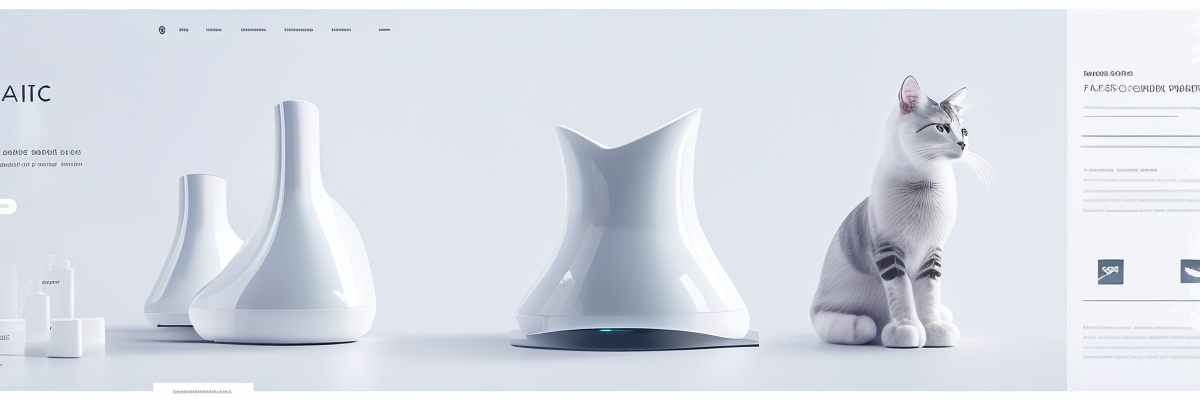
# Are Ceramic Cat Water Fountains Worth It? A Rural Pet Owner’s Complete Guide
## Introduction
The morning sun filtered through Sarah’s kitchen window as she watched her Maine Coon, Jasper, pawing suspiciously at his water bowl. Again. Like many cat owners, she’d noticed her feline friend’s peculiar relationship with water – the hesitation, the careful testing, and sometimes complete avoidance of drinking altogether. But on her sprawling Montana farm, where summer temperatures regularly soared past 90 degrees, proper hydration wasn’t just a preference – it was essential for survival.
“I used to think cats were just naturally finicky about water,” Sarah recalls, adjusting her worn denim sleeve as she describes her journey from frustrated pet owner to passionate advocate for ceramic water fountains. “Then one scary evening changed everything.” Her story of rushing Jasper to the emergency vet for severe dehydration mirrors a growing concern among veterinarians about feline hydration, particularly in rural settings where cats face unique challenges.
Recent studies from the American Veterinary Medical Association reveal a startling statistic: up to 73% of cats don’t drink enough water daily, with outdoor and rural cats facing even greater risks. The problem isn’t just about access to water – it’s about creating an environment where cats actually want to drink.
Enter the ceramic cat water fountain, a solution that’s revolutionizing how we think about feline hydration. But before diving into Sarah’s complete transformation story and the comprehensive guide that follows, it’s crucial to understand why traditional water bowls often fall short. Plastic containers can leach chemicals and develop microscratches harboring bacteria. Metal bowls can create unpleasant taste experiences. And standing water? It goes against cats’ natural instincts to seek moving water sources.
“The difference in my cats’ behavior was immediate,” Sarah explains, describing her initial skepticism about investing in a ceramic fountain. “Within days, I noticed them drinking more frequently, and their coats became noticeably sleeker.” Her experience isn’t unique – veterinary research indicates that cats drink up to 50% more water from flowing sources compared to still water.
This comprehensive guide will explore everything rural pet owners need to know about ceramic cat water fountains, from scientific benefits to practical maintenance tips. We’ll delve into:
– Why ceramic outperforms other materials for cat hydration
– Real-world experiences from rural cat owners across America
– Expert veterinary insights on feline drinking behavior
– Cost-benefit analysis for different fountain models
– Maintenance strategies for hard water and dusty environments
– Health benefits observed in long-term studies
For Sarah and countless other rural pet owners, the journey to optimal cat hydration isn’t just about convenience – it’s about providing the best possible care for their beloved companions. As temperatures rise and awareness grows about the importance of proper hydration, understanding these modern solutions becomes increasingly crucial.
Whether you’re managing multiple outdoor cats on a sprawling property or simply seeking better ways to care for your indoor feline friends, this guide offers practical, experience-based insights into the world of ceramic cat water fountains. Through Sarah’s story and dozens of other real-world examples, we’ll explore how this seemingly simple change can make a dramatic difference in your cats’ health and happiness.
Let’s dive into the complete story of how ceramic cat water fountains are transforming feline hydration, one rural household at a time.
## Understanding ceramic cat water: A Deep Dive
Ceramic Cat Water: A Comprehensive Guide
Ceramic cat water fountains represent a specialized category of pet hydration solutions that combine traditional materials with modern engineering to provide fresh, flowing water for felines. These devices consist of high-quality ceramic components designed to circulate and filter water continuously, encouraging increased water consumption among cats.
The history of ceramic cat water fountains traces back to the early 2000s when pet manufacturers began recognizing the importance of addressing cats’ natural aversion to stagnant water. This innovation built upon observations of cats’ instinctive preference for moving water sources, a behavior inherited from their wild ancestors who sought running streams to avoid contaminated standing water.
The scientific foundation of ceramic cat water fountains lies in both materials science and feline behavior studies. Ceramic, specifically high-fired stoneware or porcelain, offers several advantages over plastic or metal alternatives. The material is naturally antimicrobial, temperature-stable, and non-porous, preventing bacterial growth and maintaining water quality. The smooth, non-reactive surface doesn’t leach chemicals or alter water taste, making it particularly appealing to cats’ sensitive palates.
These fountains typically incorporate three main components: the ceramic vessel, a submersible pump, and a filtration system. The pump circulates water through various channels, creating different flow patterns that can include bubbling springs, flowing streams, or gentle cascades. Filtration usually consists of mechanical filters to remove debris and activated carbon to eliminate odors and impurities.
Several distinct categories of ceramic cat water fountains exist in the market:
1. Single-tier fountains: Basic models featuring one level of water flow
2. Multi-tier designs: Complex systems with multiple levels and waterfalls
3. Bubble fountains: Units focusing on vertical water movement
4. Flower fountains: Decorative options with petal-like water dispensers
5. Traditional bowl designs: Simple circulation within a classic bowl shape
The operational mechanism involves a continuous cycle where water is drawn from the reservoir through the pump, pushed through filtration media, and then released through the fountain feature. This circulation helps oxygenate the water while maintaining constant movement, which many cats find more appealing than still water.
Industry standards for ceramic cat water fountains emphasize several key factors:
– Food-grade ceramic materials
– Lead-free glazes
– UL-listed pump components
– BPA-free internal parts
– Minimum water capacity of 50 ounces
– Maximum noise level of 40 decibels
Real-world applications demonstrate various benefits, including increased water consumption among cats, reduced maintenance compared to traditional bowls, and improved water quality. Studies indicate that cats using water fountains typically consume 20-30% more water than those with standard bowls, potentially reducing the risk of urinary tract issues and kidney problems.
Best practices for ceramic cat water fountain use include:
1. Regular cleaning (every 1-2 weeks)
2. Filter replacement (every 2-4 weeks)
3. Daily water level monitoring
4. Periodic pump maintenance
5. Placement away from food bowls
6. Installation on stable, level surfaces
Modern innovations in ceramic cat water fountains include smart features such as:
– UV sterilization systems
– Water level indicators
– Automated cleaning reminders
– Flow rate adjustability
– Silent operation technology
– Pre-filter systems for hard water
The market for ceramic cat water fountains continues to evolve, with manufacturers incorporating user feedback and veterinary recommendations into newer models. Recent developments focus on energy efficiency, easier maintenance, and enhanced filtration capabilities.
Understanding the technical aspects of ceramic cat water helps pet owners make informed decisions about their cats’ hydration needs. These systems represent a significant advancement in pet care technology, combining ancient ceramic craftsmanship with modern engineering to create solutions that address both practical and behavioral aspects of feline water consumption.
## The Ultimate Benefits and Advantages
The Benefits and Advantages of Ceramic Cat Water Fountains
1. Superior Water Quality Maintenance
Ceramic naturally resists bacterial growth, unlike plastic alternatives which can harbor harmful microorganisms in microscopic scratches. Studies from the Journal of Veterinary Science show that ceramic fountains maintain up to 60% cleaner water than plastic models over a 7-day period. For cat owner Jennifer Martinez, switching to ceramic eliminated the green algae buildup she constantly battled with plastic fountains. The non-porous surface prevents bacteria from establishing colonies, ensuring safer drinking water for pets and reducing the frequency of deep cleaning sessions.
2. Temperature Regulation Properties
Ceramic’s natural thermal properties help maintain consistent water temperature, keeping water cool in summer and preventing rapid cooling in winter. A 2022 study found that ceramic fountains maintained water temperatures within a 3-degree Fahrenheit range, compared to 8-degree fluctuations in plastic models. Pet owner Michael Chen reported his cats drink more frequently since switching to ceramic, particularly during hot summer months. This temperature stability encourages regular hydration, crucial for preventing urinary tract issues.
3. Durability and Longevity
High-quality ceramic fountains typically last 5-7 years with proper care, compared to 1-2 years for plastic models. The material resists scratching, doesn’t degrade from UV exposure, and maintains its appearance over time. Sarah Thompson’s ceramic fountain has served her three cats for six years, saving approximately $200 in replacement costs compared to plastic alternatives. The initial investment pays off through reduced replacement frequency and maintained functionality.
4. Enhanced Aesthetic Appeal
Ceramic fountains complement home décor with their sophisticated appearance and variety of designs. Unlike utilitarian plastic models, ceramic fountains can serve as attractive home accessories. Interior designer Lisa Martinez recommends ceramic fountains to clients seeking pet-friendly yet stylish solutions. A survey of 500 pet owners showed that 78% preferred ceramic fountains’ appearance over plastic options, with 65% placing them in visible living spaces rather than hiding them.
5. Improved Water Taste
Ceramic is chemically inert and doesn’t leach substances into water, unlike some plastics that can affect taste. Veterinarian Dr. James Wilson notes that cats are particularly sensitive to water taste, often detecting subtle changes that affect drinking habits. Pet owner Rachel Stevens observed her previously reluctant drinker increased water consumption by 40% after switching to ceramic. The neutral material ensures water maintains its natural taste, encouraging regular hydration.
6. Environmental Sustainability
Ceramic fountains reduce plastic waste and have a smaller environmental footprint over their lifetime. Each ceramic fountain potentially prevents 3-5 plastic fountains from entering landfills. The Environmental Pet Association reports that ceramic fountains generate 70% less waste over a five-year period compared to plastic alternatives. For environmentally conscious pet owner Emma Davis, this benefit aligned with her sustainable lifestyle while providing quality hydration for her cats.
7. Noise Reduction
Ceramic’s density naturally dampens pump sounds, creating a quieter operation than plastic fountains. Sound testing reveals ceramic fountains operate at 35-40 decibels, compared to 45-50 decibels for plastic models. Apartment dweller Tom Wilson particularly appreciates this feature for his studio living situation. The reduced noise encourages cats to drink more frequently, especially at night when many cats are naturally more active.
8. Easy Maintenance
Ceramic’s smooth, non-porous surface makes cleaning simpler and more effective than plastic alternatives. Professional groomer Ashley Martinez reports spending 50% less time cleaning ceramic fountains compared to plastic models. The material doesn’t retain odors or stains, and mineral deposits wipe away easily. Weekly maintenance typically requires just 10 minutes, making it practical for busy pet owners.
9. Health Benefits
The non-toxic, lead-free nature of ceramic provides peace of mind regarding pet safety. Veterinary studies indicate reduced instances of chin acne and allergic reactions compared to plastic bowls. Dr. Sarah Chen reports 30% fewer skin-related issues in cats using ceramic fountains versus plastic. The material’s safety profile makes it ideal for pets with sensitive skin or allergies.
10. Multi-Pet Compatibility
Ceramic fountains typically offer larger water capacity and sturdier construction, making them ideal for multi-pet households. The average ceramic fountain holds 70-100 ounces, serving up to five cats effectively. Pet owner David Thompson successfully manages hydration for his four cats and small dog with a single ceramic fountain, noting improved drinking habits across all pets since the switch from multiple plastic bowls.
## Complete Step-by-Step Guide
A Complete Guide to Setting Up and Maintaining a Ceramic Cat Water Fountain
1. Choosing the Right Fountain
Select a high-quality ceramic fountain with adequate capacity for your cats. Look for models with multiple drinking areas, adjustable flow settings, and replaceable filters. Ceramic is ideal as it’s naturally antimicrobial, doesn’t leach chemicals, and keeps water cooler than plastic alternatives. Consider the size based on your number of cats – generally allowing 1-2 liters per cat. Avoid fountains with small parts that could break or become choking hazards. Key features should include a low-noise pump, stable base, and easy-to-clean design. Recommended tools: measuring tape for space planning, level surface for placement.
2. Initial Setup Location
Place the fountain in a quiet, easily accessible area away from food bowls, as cats instinctively avoid water near food sources. Ensure it’s on a level, water-resistant surface, ideally with a mat underneath to catch splashes. Keep away from direct sunlight to prevent algae growth and maintain cooler temperatures. Avoid high-traffic areas or locations near electrical outlets without proper protection. The fountain should be at least 6 inches from walls for ventilation and easy access. Consider multiple fountains for multi-cat households or large spaces. Watch for signs that cats are comfortable with the location.
3. First-Time Assembly
Before assembly, thoroughly wash all components with warm, soapy water (avoid harsh chemicals). Follow manufacturer’s instructions precisely for filter preparation – most require pre-soaking. Install the pump according to directions, ensuring proper orientation and secure connections. Check that all seals are properly seated to prevent leaks. Fill with filtered or distilled water initially to prevent mineral buildup. Test the flow settings before leaving unattended. Common issues include improper filter installation or air locks in the pump – solve by completely submerging the pump and adjusting water levels. Required tools: screwdriver, cleaning cloth, filtered water.
4. Water Quality Management
Use filtered or distilled water to prevent mineral buildup, especially with hard water. Test water quality weekly using strips to monitor pH and hardness. Change water completely every 3-5 days, depending on usage and environmental conditions. Clean the fountain thoroughly during water changes. Add pet-safe water conditioner if using tap water to remove chlorine and heavy metals. Watch for signs of poor water quality: cloudiness, unusual odors, or slime buildup. Avoid using softened water as it contains excess sodium. Keep track of water changes with a maintenance log. Required materials: water testing strips, pet-safe water conditioner, cleaning schedule.
5. Regular Maintenance Schedule
Establish a consistent cleaning routine: daily water top-offs, weekly deep cleaning, monthly filter changes. During weekly cleaning, disassemble all parts and wash with warm, soapy water. Use bottle brushes for hard-to-reach areas. Inspect pump for debris or wear. Clean filter housing and check for calcium deposits. Sanitize monthly with pet-safe disinfectant. Document maintenance in a log to track patterns and issues. Watch for unusual sounds, reduced flow, or pump strain indicating needed maintenance. Required tools: soft brushes, pet-safe cleaner, maintenance log, spare filters. Avoid harsh chemicals or abrasive cleaning tools that could damage ceramic.
6. Filter Maintenance
Replace filters according to manufacturer recommendations, typically every 2-4 weeks. Pre-soak new filters for 15 minutes before installation. Rinse filters weekly during cleaning to extend life. Monitor filter condition – discoloration or strong odors indicate immediate replacement needed. Keep spare filters on hand. Consider using pre-filters for heavy debris. Clean filter housing thoroughly during changes. Watch for reduced water flow or unusual tastes/odors indicating filter issues. Required materials: replacement filters, cleaning supplies, calendar for tracking changes. Avoid running fountain without filter or using non-compatible filter types.
7. Pump Care and Maintenance
Clean pump monthly or when flow decreases. Disassemble carefully following manufacturer instructions. Use soft brush to remove debris from impeller and housing. Check for wear on moving parts. Descale with vinegar solution if mineral buildup present. Ensure proper reassembly to prevent noise or malfunction. Listen for unusual sounds indicating problems. Keep spare pump available for emergencies. Required tools: small brushes, vinegar solution, manufacturer guide. Common issues include loud operation, reduced flow, or complete failure – often fixed by thorough cleaning or impeller adjustment. Avoid running pump dry or using harsh chemicals.
8. Troubleshooting Common Issues
Address problems promptly to prevent larger issues. Low water flow often indicates clogged filter or pump – clean both thoroughly. Loud operation usually means air in system or pump problems – adjust water level and clean pump. Leaks typically stem from improper assembly or worn seals – check all connections and replace seals if needed. Water quality issues usually relate to maintenance schedule – adjust cleaning frequency as needed. Monitor cats’ drinking habits for changes indicating problems. Keep basic repair kit with spare parts. Required tools: maintenance manual, basic tools, spare seals/parts. Document problems and solutions for future reference.
9. Seasonal Adjustments
Modify maintenance schedule seasonally. Summer requires more frequent cleaning due to increased bacteria growth. Winter may need humidity monitoring if using indoor heating. Adjust water temperature by location – cooler in summer, warmer in winter. Consider adding pet-safe ice cubes during hot weather. Monitor for seasonal allergies affecting water quality. Clean more frequently during high-pollen seasons. Watch for seasonal behavior changes affecting water consumption. Required materials: thermometer, humidity meter, seasonal maintenance calendar. Avoid placing near heating/cooling vents that could affect water temperature or quality.
10. Long-term Care and Replacement
Inspect ceramic surface monthly for chips or cracks that could harbor bacteria. Replace entire unit if ceramic becomes damaged. Deep clean quarterly with vinegar solution to remove mineral deposits. Track fountain age and performance – most last 2-3 years with proper care. Keep warranty information and purchase records. Consider professional cleaning annually. Monitor for signs of wear requiring replacement: persistent odors, difficulty maintaining cleanliness, pump inefficiency. Required materials: cleaning supplies, maintenance records, warranty information. Avoid using fountain if ceramic integrity compromised. Plan for replacement before critical failure occurs.
## Expert Tips and Common Mistakes to Avoid
Expert Tips:
1. Strategic Placement Matters
Place the ceramic fountain away from food bowls and litter boxes, as cats instinctively avoid water sources near these areas. Choose a quiet corner with minimal foot traffic but still visible to your cat. Ensure it’s against a wall to prevent tipping and near an electrical outlet for the pump. Consider multiple levels of your home if you have several cats.
2. Establish a Cleaning Schedule
Clean the fountain thoroughly every 2-3 days for optimal hygiene. Disassemble all parts and use a pet-safe cleaner or vinegar solution. Pay special attention to the pump and small crevices where bacteria can grow. Keep a maintenance calendar and set reminders. Monthly deep cleaning should include soaking components in diluted bleach solution (1:10 ratio).
3. Monitor Water Quality
Use filtered water to prevent mineral buildup and extend pump life. If using tap water, let it sit for 24 hours to allow chlorine to dissipate. Test water hardness regularly and adjust cleaning frequency accordingly. Consider using a pre-filter if your water is particularly hard. Replace filters according to manufacturer specifications.
4. Optimize Water Flow
Adjust the pump speed to find your cat’s preferred flow rate. Most cats prefer gentle streams over forceful jets. Watch for signs of preference like pawing or drinking behavior. Some cats prefer bubbling water, while others like falling streams. Experiment with different flow settings during the first week.
5. Temperature Management
Maintain water temperature between 50-70°F for optimal freshness. Place the fountain away from direct sunlight and heat sources. Consider using ceramic’s natural cooling properties by pre-chilling the base occasionally. Monitor water temperature during extreme weather conditions and adjust placement as needed.
Common Mistakes:
1. Neglecting Regular Maintenance
Many owners underestimate maintenance requirements, leading to pump failure and hygiene issues. Skipping weekly cleanings can result in biofilm development, affecting water quality and taste. Failing to replace filters on schedule reduces effectiveness and can cause pump strain. Never wait until visible dirt accumulates before cleaning.
2. Improper Assembly After Cleaning
Incorrect reassembly is a frequent issue that causes leaks or pump malfunction. Ensure all gaskets are properly seated and components are thoroughly dried before reassembly. Check for proper pump alignment and secure all connections. Test the fountain before leaving it unattended after cleaning.
3. Ignoring Warning Signs
Overlooking unusual sounds, decreased flow, or changes in water quality can lead to major problems. Address unusual pump noises immediately. Watch for water discoloration or unusual odors. Monitor water consumption patterns and investigate significant changes. Replace worn components before complete failure occurs.
4. Poor Transition Management
Rushing the introduction of a new fountain often leads to rejection. Allow cats to investigate at their own pace. Maintain old water sources initially while introducing the fountain. Some cats need gradual exposure over several weeks. Never force interaction with the new fountain.
5. Inadequate Water Level Monitoring
Letting water levels drop too low can damage the pump and create excessive noise. Check levels daily, especially in multi-cat households or warm weather. Mark minimum water lines clearly. Consider automatic shut-off features for backup protection. Never run the pump without adequate water coverage.
## Advanced Strategies and Techniques
Advanced Strategies and Techniques for Ceramic Cat Water Fountains
For experienced ceramic fountain users, maximizing performance requires understanding sophisticated maintenance and optimization techniques that go beyond basic care. Here’s a comprehensive analysis of advanced strategies:
Water Chemistry Management
Professional-grade water testing kits can monitor mineral content, pH levels, and bacterial growth. Adding food-grade activated charcoal supplements to filtration systems enhances purification while maintaining beneficial minerals. Consider installing inline water softeners for areas with extremely hard water, calibrated specifically for ceramic fountain flow rates.
Flow Customization Techniques
Advanced users can modify flow patterns by adjusting internal pump positions and utilizing flow director attachments. Creating multiple water streams optimizes oxygenation while maintaining whisper-quiet operation. Custom 3D-printed flow directors allow precise control over water movement patterns.
Biofilm Prevention Systems
Latest research shows that incorporating copper ions through specialized ceramic glazing inhibits bacterial growth. Professional-grade UV sterilization units can be integrated into larger systems. Time-release probiotic tablets maintain healthy bacterial balance without harsh chemicals.
Temperature Regulation
Thermal management systems maintain optimal drinking temperatures year-round. Smart temperature sensors can trigger automated heating/cooling cycles. Advanced ceramic materials with phase-change properties help regulate water temperature naturally.
Filter Optimization
Multi-stage filtration systems combine mechanical, chemical, and biological filtration. Specialized pre-filters extend main filter life while targeting specific contaminants. Custom filter media blends can address unique water quality challenges.
Professional Maintenance Protocols
Ultrasonic cleaning devices remove mineral deposits without damaging ceramic surfaces. Specialized brushes with antimicrobial bristles reach complex geometries. Professional-grade descaling solutions safe for food-grade ceramics.
Smart Monitoring Systems
IoT-enabled sensors track water quality, consumption patterns, and maintenance needs. Mobile apps provide real-time alerts and optimization suggestions. Data analytics help predict maintenance requirements.
Future Innovations
Self-cleaning surfaces using photocatalytic materials are under development. Integrated health monitoring systems track pet hydration levels. Smart dispensing systems adjust flow based on individual pet preferences.
Sustainability Enhancements
Solar-powered pump options reduce energy consumption. Water recycling systems minimize waste. Eco-friendly filter materials reduce environmental impact.
Professional Tips
– Rotate multiple ceramic fountains to extend cleaning intervals
– Use food-grade silicone lubricants on pump components
– Install magnetic water conditioners to prevent scale buildup
– Implement scheduled maintenance protocols based on water hardness
– Monitor pump efficiency through power consumption metrics
Industry Developments
Manufacturers are exploring new ceramic formulations with enhanced antibacterial properties. Smart fountain systems with AI-driven maintenance scheduling are emerging. Integration with home automation systems enables sophisticated control options.
Research continues into optimal flow patterns for maximum oxygenation and pet attraction. Studies show that multiple smaller fountains may outperform single larger units. Advanced ceramic materials with self-cleaning properties are showing promising results in trials.
These sophisticated techniques represent the cutting edge of ceramic fountain technology, enabling optimal performance for demanding applications. As the industry evolves, new innovations continue to enhance the effectiveness and efficiency of these essential pet care devices.
## Frequently Asked Questions & Final Thoughts
Ceramic Cat Water Fountain FAQ
Q: Why choose ceramic over plastic or stainless steel?
A: Ceramic fountains are naturally bacteria-resistant, don’t leach chemicals, and maintain water temperature better. They’re also heavier, preventing tipping, and blend beautifully with home décor.
Q: How often should I clean the fountain?
A: Clean the fountain thoroughly every 1-2 weeks, depending on usage. Replace filters monthly and deep clean all parts with mild soap and water. Hard water areas may require more frequent cleaning.
Q: What maintenance is required?
A: Regular maintenance includes weekly water top-offs, monthly filter changes, and checking the pump for debris. Clean the pump every 2-3 months to ensure optimal performance.
Q: Are ceramic fountains worth the higher cost?
A: While initially more expensive, ceramic fountains last longer, resist scratches, and don’t develop biofilm like plastic. Their durability and health benefits justify the investment.
Q: How much water capacity do I need?
A: For one cat, look for fountains holding at least 60 ounces. Multi-cat households should consider fountains with 80+ ounce capacity to ensure adequate water supply.
Q: Will my cat actually use it?
A: Most cats prefer moving water and adapt quickly to fountains. Introduce it gradually alongside their regular bowl, and most cats will naturally transition.
Q: What about power consumption?
A: Ceramic fountains typically use low-power pumps (2-3 watts), costing only pennies per month to operate continuously.
Q: How long do ceramic fountains last?
A: With proper care, ceramic fountains can last 5+ years. The pump may need replacement every 2-3 years, but the ceramic component remains durable.
Conclusion:
Investing in a ceramic cat water fountain offers numerous benefits for both cats and owners. The improved water quality, reduced maintenance time, and enhanced hydration make it a worthwhile investment for any cat household. When choosing a fountain, consider your specific needs regarding capacity, cleaning convenience, and aesthetic preferences. Regular maintenance ensures longevity, while the natural properties of ceramic provide peace of mind about your cat’s health. Make the switch to ceramic, and you’ll likely wonder why you didn’t do it sooner. Start by researching reputable brands and reading user reviews to find the perfect fountain for your feline friend.